Parliament Office Defends Car Rental Budget for House Speaker
Parliament's secretariat defended its 2.5 million baht car-rental budget for the House Speaker, explaining that four aging government vehicles reach their service limits in 2570 and must be replaced under regulations.
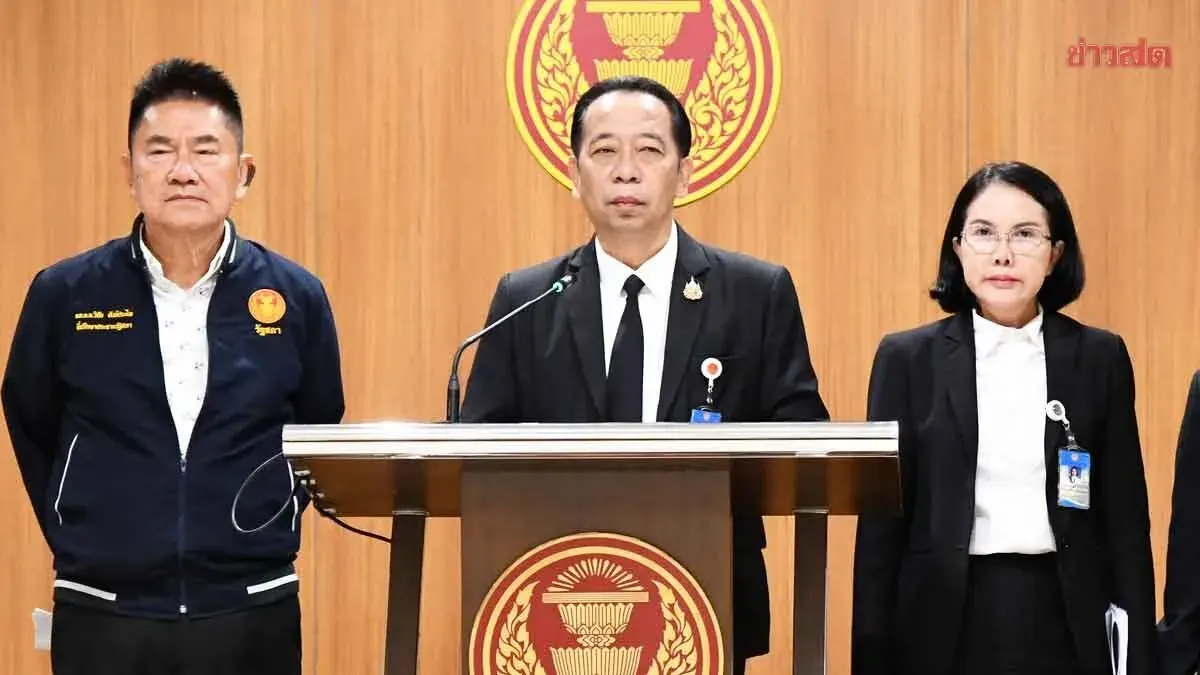
At 11:50 a.m. on July 17, 2569, Sirojn Patthayphon, secretary-general of the House of Representatives, addressed criticism from Bangkok MP Phanthip Nuamjim of the Pheu Thai Party regarding the 2570 budget allocation for the Speaker's official vehicle. The House secretariat explained that the four parliamentary vehicles—the Speaker's car purchased on January 10, 2564, and the two deputy speakers' and opposition leader's cars purchased on April 16, 2564—were acquired during former Speaker Chuan Leekpai's tenure. All four vehicles will reach their six-year service limit on January 5, 2570, and April 16, 2570, during current Speaker Sophon Sarumitr's term.
Sirojn stated that since taking office, Sophon has informed the secretariat that he prefers to use his personal vehicle to save on fuel and maintenance costs, rather than using the government car. The two deputy speakers and opposition leader, however, indicated they would use their official vehicles.
When the four vehicles reached their six-year service limit, the secretariat determined it necessary to request a budget to procure replacement vehicles, in accordance with the 2523 Prime Minister's Office regulations governing government vehicles. The request to lease rather than purchase was made to reduce long-term maintenance and repair burdens, a practice adopted by many government agencies. The proposed rental budget of 5,421,600 baht for the Speaker's vehicle in 2570 conforms to Finance Ministry guidelines and equals the allocation for the opposition leader's vehicle.
Lt. Gen. Vichaisoong Sangpraipaip, an advisor to the Speaker, urged critics to verify facts before commenting, noting that Sophon has never used the government car during his tenure and has never claimed fuel expenses—a genuine saving of state funds.