Parliament President Cancels APA Delegation Amid Border Dispute Concerns
House Speaker Sopon Saran's last-minute cancellation of Thailand's delegation to the Asian Parliamentary Assembly meeting has sparked criticism that the country is surrendering a key diplomatic platform amid ongoing border tensions with Cambodia. Critics warn the absence lets Cambodia shape the narrative on disputes like Preah Vihear unchallenged, while also raising suspicions the move sidelined opposition lawmakers who were slated to join the delegation. The editorial urges the Speaker to justify the decision and consider reversing it before the assembly convenes.
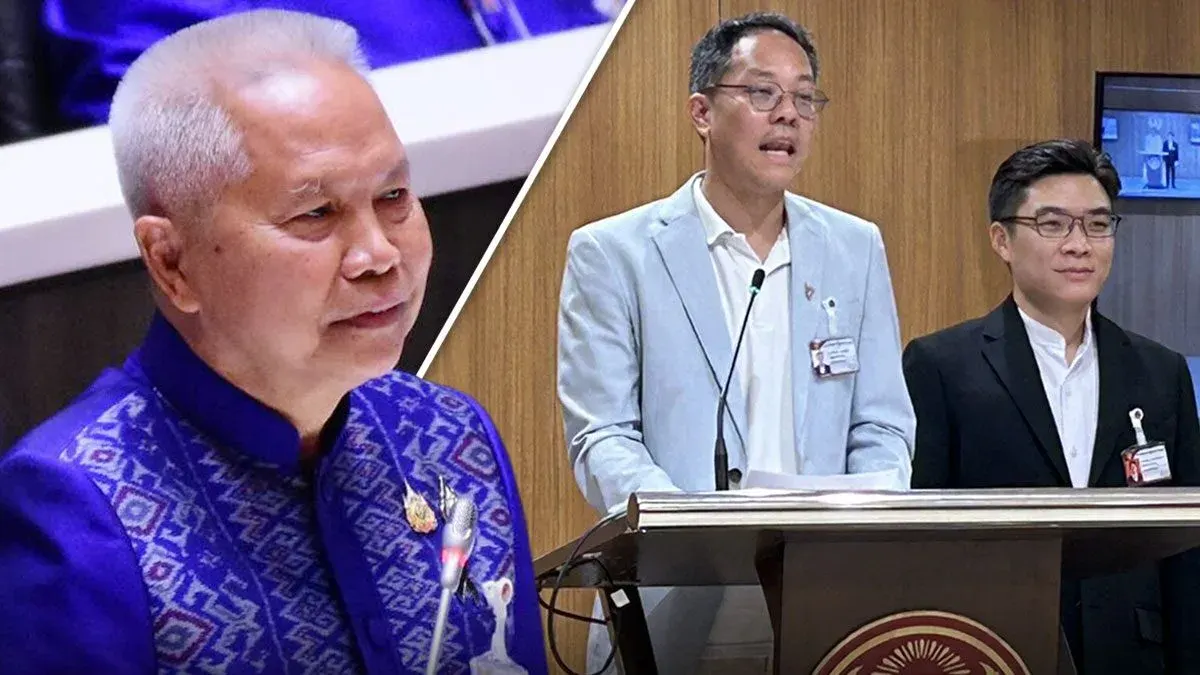
The decision by House Speaker Sopon Saran not to send a Thai parliamentary delegation to the Asian Parliamentary Assembly (APA) meeting in early 2027 is drawing sharp criticism, as it touches on Thailand's interests and standing on the international stage. The APA is a regional parliamentary cooperation forum with over 42 member states and 16 observer nations; Thailand is a founding member. The assembly plays roles in peacebuilding, conflict mediation, and international cooperation coordination. A key concern is that Cambodia may seize this opportunity to present information on border disputes, including the Preah Vihear temple heritage site. If Thailand sends no representatives, it effectively allows the other side to explain its case or build understanding among member states without Thai delegates present to state facts, rebut, or challenge potentially misleading information. In past international forums like the ASEAN Inter-Parliamentary Assembly (AIPA) and the Inter-Parliamentary Union (IPU), Thai delegates have consistently had to clarify the country's position when border issues were raised. Absence from the APA stage thus means losing a vital channel for safeguarding national interests. The sudden cancellation raises questions, especially since a delegation had already been formed — led by a senator with Pheu Thai MP Phandil Numjim as deputy. The decision fuels speculation about whether it aims to diminish the opposition's role on the international stage. This should not become a government-versus-opposition conflict, because when performing duties abroad, everyone must prioritize national interests; domestic politics should not interfere. With Thailand and Cambodia still having outstanding border issues, maintaining diplomatic space and international communication is even more critical. Non-participation may cause Thailand to lose the chance to build understanding and defend its stance, while giving the counterpart more room to communicate. The House Speaker should clearly explain why withholding the delegation this time was necessary and whether the impact on the country's overall interests has been assessed. The order can still be reviewed before the meeting begins; if the Speaker heeds challenges from the opposition, political parties, and public sentiment, he may reconsider sending the original delegation or forming a new one. Safeguarding national interests belongs to no single faction, and internal political conflict should not be allowed to cause Thailand to unnecessarily cede ground on the international stage.