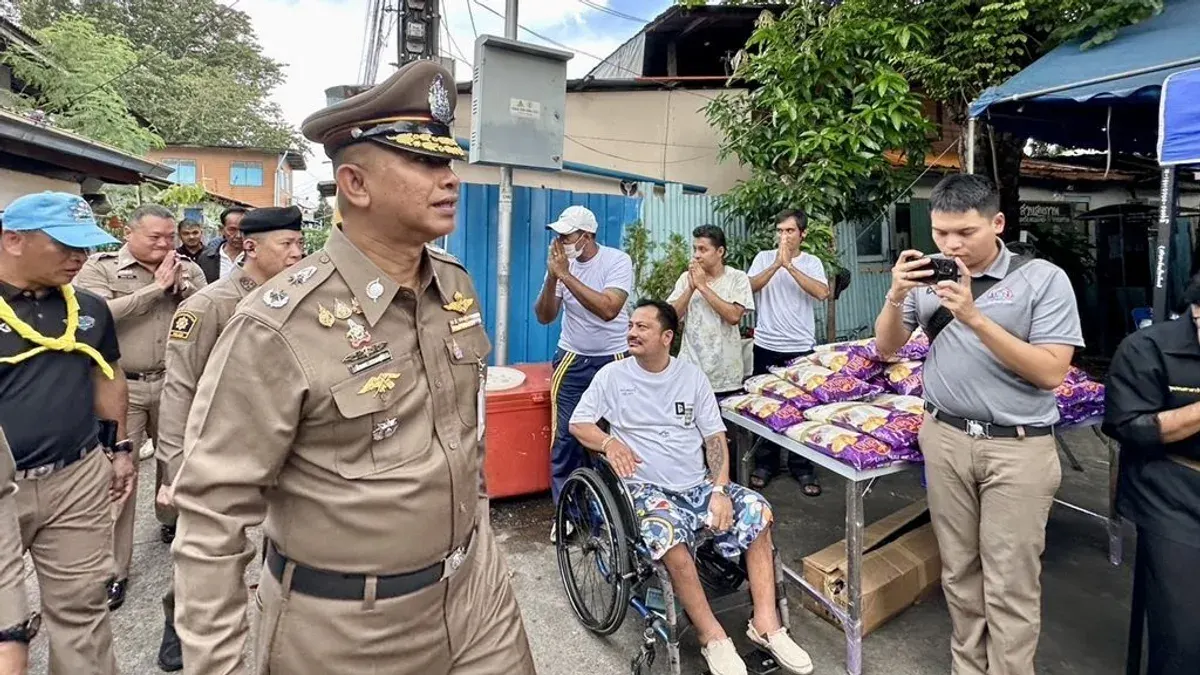
Pattaya Overhauls Garbage And Wastewater Systems On Koh Larn Island
Pattaya is upgrading Koh Larn's garbage and wastewater systems through a BOT waste incineration facility handling 50 tons daily and advanced treatment plants, aiming to make the island a sustainable tourism destination while protecting its
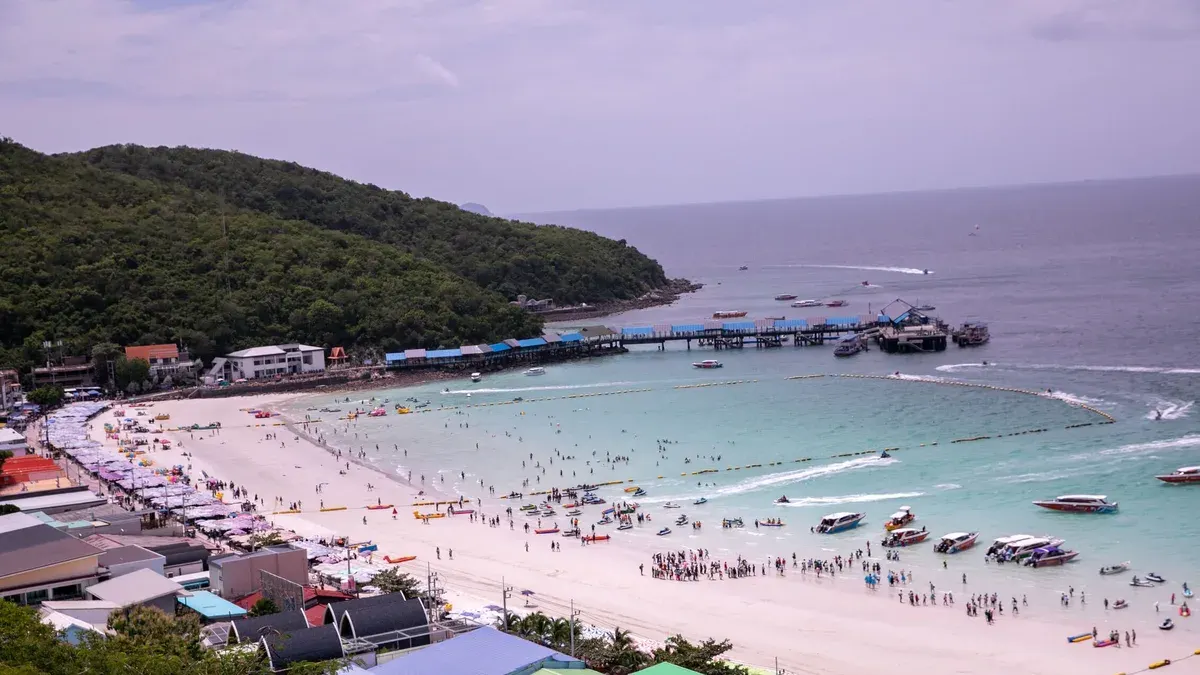
Behind the picturesque image of Koh Larn that tourists see lies not just beaches, clear seawater, and a relaxing atmosphere, but an environmental infrastructure system working around the clock to support the continuous growth of this tourist destination. Pattaya is now advancing its "Koh Larn Model," upgrading garbage and wastewater management to become more systematic, guided by a philosophy of balanced development among economics, tourism, and natural resource stewardship. The goal is to elevate Koh Larn into a sustainable, quality tourism destination. As visitor numbers continue to increase, the island's main challenge extends beyond attracting tourists to managing the resulting environmental impacts, particularly waste and wastewater volumes, which significantly affect marine environmental quality. Pattaya therefore prioritizes environmental infrastructure development to support long-term area growth. A key project is the "Comprehensive Community Waste Incineration Facility on Koh Larn Island," structured as a Build-Operate-Transfer (BOT) arrangement that invites private sector investment and operation for 25 years before assets revert to Pattaya under contract terms. The facility operates two closed-system incinerators capable of handling approximately 50 tons of waste daily, addressing both new waste from tourism activities and the gradual management of accumulated legacy waste in the area. The goal is to systematize waste management on Koh Larn, reducing impacts on community and environment. Pattaya Mayor Prameswar Gampiset stated that Koh Larn development must advance hand-in-hand with environmental care, since the area is both a major tourist attraction and residential community. Creating efficient waste and wastewater management systems is therefore fundamental to sustainable growth. Beyond waste management, Pattaya is also advancing integrated wastewater treatment systems in key areas of Koh Larn in collaboration with the Region 13 Environmental and Pollution Control Office (Chachoengsao), improving collection and treatment efficiency for wastewater from communities, businesses, shops, and accommodations before release back into the environment. At Hat Tao Waen, one of Koh Larn's main tourist beaches, Pattaya has installed high-efficiency prefabricated wastewater treatment systems with centralized collection, capable of handling up to 990 cubic meters daily. At Hat Saem, a trickling-filter biological treatment plant has been developed, handling up to 300 cubic meters daily, with plans to recycle treated water for central activities to reduce freshwater consumption. Pattaya emphasizes the importance of balancing resource stewardship and quality of life for area residents. In an era when global tourist destinations compete on sustainability standards, physical beauty may be just the starting point, but long-term confidence is built on sound city management systems. The "Koh Larn Model" is therefore not just a waste and wastewater project but a significant step for Pattaya in raising its tourist destination to sustainable, balanced growth, ready to support quality international-standard tourism into the future.