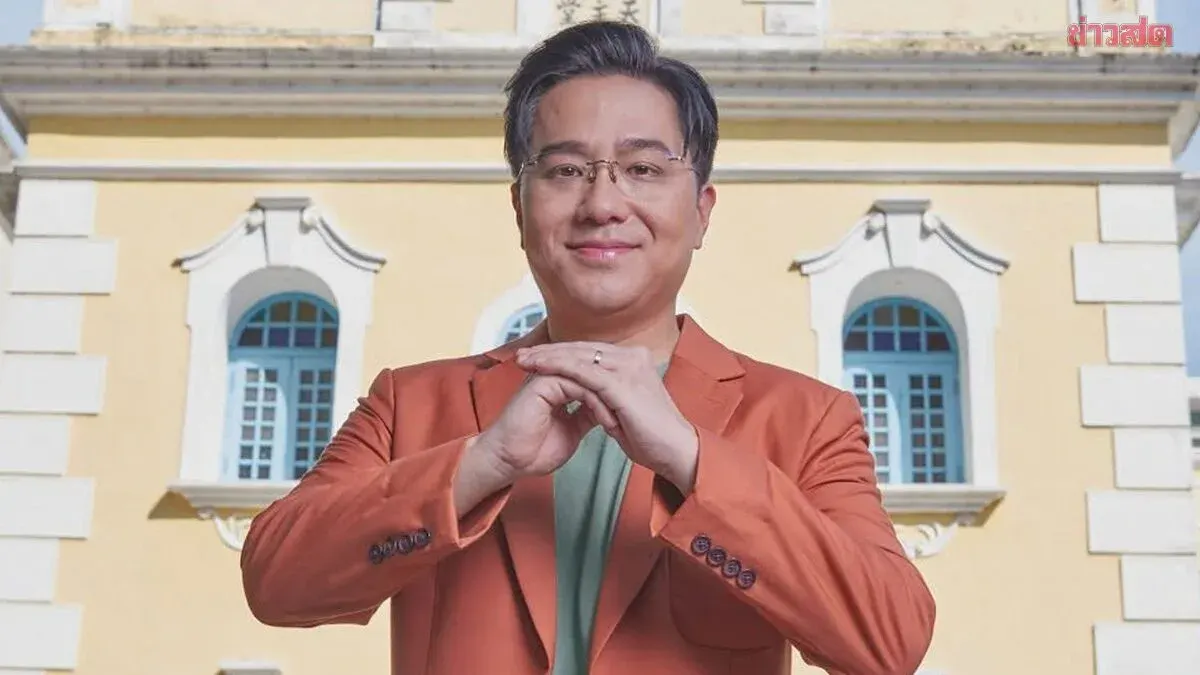
PM Anutin Demands Tech Transfer, Targets ASEAN Hub for 700 Million
The user wants a short summary (1-2 sentences, 120-220 characters, max 240) for a news article about PM Anutin's stance on foreign investment in Thailand. The summary must be in English only, factual, plain English, no filler, lead with wha
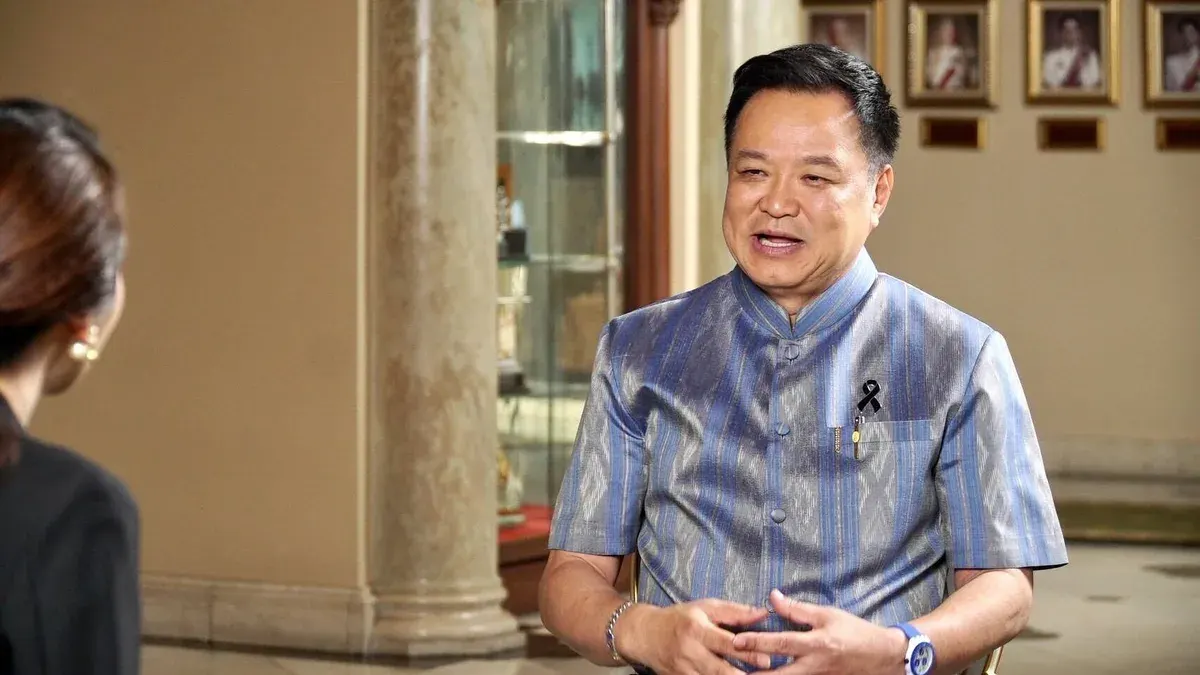
Prime Minister Anutin Charnvirakul reiterated that investment in Thailand must bring technology transfer and workforce development after the Economic Cabinet cut red tape to boost foreign direct investment (FDI), which grew roughly 30% in the first half of the year versus the entire previous year. Speaking on the program "Talk with PM Anutin" on October 24, 2026, Anutin said the government aims to reshape foreign investors' view of Thailand to reflect its true potential — infrastructure readiness, a skilled workforce, and profit opportunities. Over the past two decades, Thailand has continuously developed infrastructure and logistics, including highways and railways that link the region and connect to Laos, southern China, and Malaysia, together with two sea outlets, strengthening its role as a production and distribution hub. "Investors don't come to sell to 70 million people in Thailand; they come to use Thailand as a base to distribute goods to over 700 million people in ASEAN," Anutin said, comparing the logistics network to a spider web. The government also employs the Economic Cabinet as a mechanism to unlock business and investment bottlenecks, letting the private sector voice problems and propose solutions directly before they are filtered up to the full Cabinet, cutting procedural steps and time, making business operations more agile and investment decisions faster, with the goal of increasing sales, drawing investment, creating jobs, and raising national income. Anutin noted that past performance is reflected in FDI figures for the first half of the year, which exceeded the full-year total of the previous year by about 30%, signaling investor confidence. However, he stressed that the government does not merely want to attract capital; it wants investment that benefits the Thai economy long-term, especially through workforce skill development and technology transfer — not just exploiting cheap labor, utilities, or assembling products for a "Made in Thailand" label without any technology transfer. "If you think you can come for cheap labor, cheap materials, cheap electricity and water, or just hire Thais to tighten bolts to claim 'Made in Thailand' with zero technology transfer, you're in the wrong place," Anutin said. He added that investors who choose Thailand for its utility readiness and human resource potential, which can be upskilled to drive business, will generate returns, reaffirming the government's stance that foreign investment must go hand-in-hand with upgrading Thai people and adding value to the national economy.