PM Anutin Urges Japanese, Chinese Carmakers to Boost Thai Parts
Prime Minister Anutin Charnvirakul met with Japanese and Chinese automakers on November 23, urging them to increase use of Thai-made parts, transfer technology, and develop local workforce skills. The government pledged support for a multi-technology transition including hybrids and EVs, while restructuring excise taxes and streamlining investment procedures. Anutin aims to elevate Thailand from ASEAN's top production base into a future regional hub for both vehicles and components.
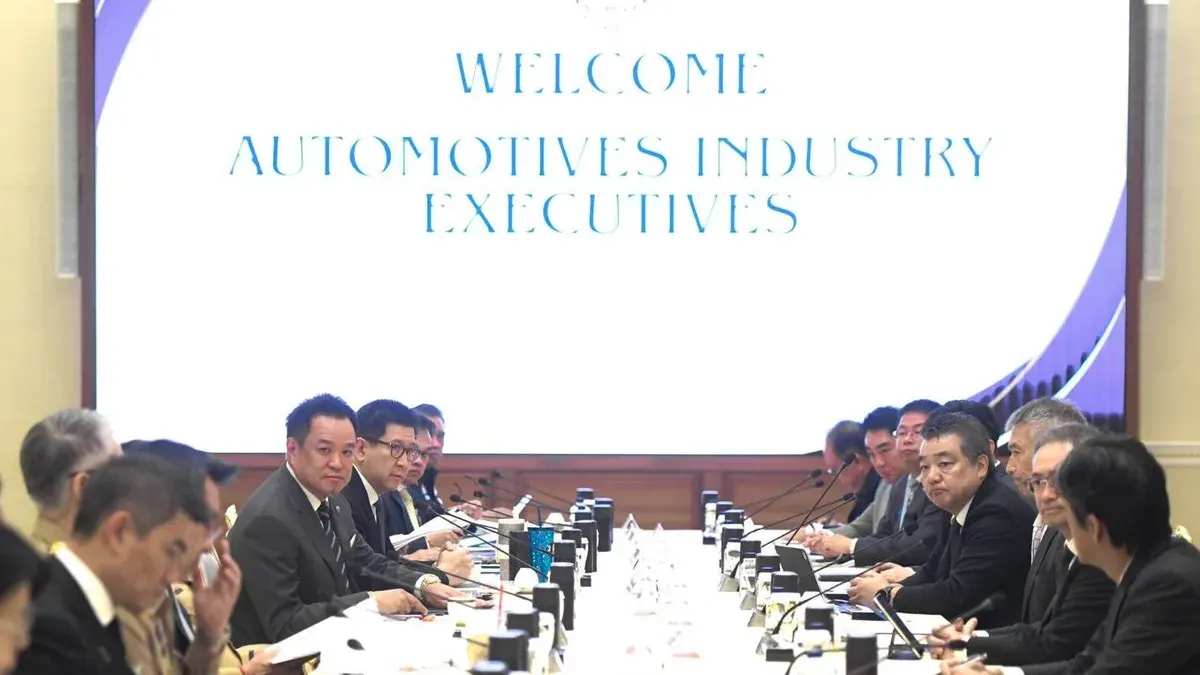
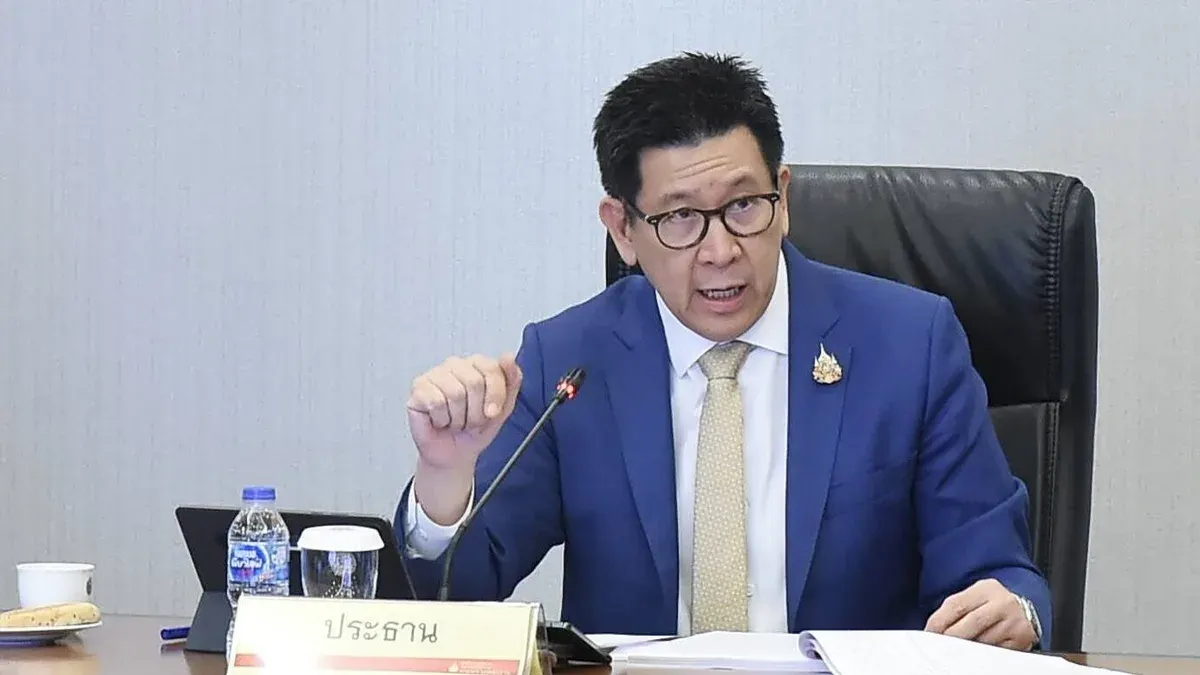
Today (November 23, 2026) at the Phakdi Boodin Building, Government House, Prime Minister and Interior Minister Anutin Charnvirakul welcomed executives and representatives from Japanese and Chinese automobile manufacturers, affirming the government's readiness to support investment and industrial transition across all vehicle technologies. He also invited car makers to increase use of Thai-made parts, transfer advanced technology, and jointly develop Thai workforce skills to elevate the country into a future regional automotive production hub.
The Prime Minister thanked automakers for their continuous investment in Thailand, noting that the automotive industry is a key pillar of the Thai economy in terms of investment, employment, technology, and exports. Their cooperation has helped Thailand become the world's 11th largest automotive production base, 5th in Asia, and 1st in ASEAN, with approximately 750,000 skilled workers in the sector.
Amid current geopolitical uncertainty and technological advancement reshaping the global economy, including the automotive industry, the government aims to ensure Thailand's industrial transition proceeds smoothly, balanced, and sustainably while maintaining existing competitiveness and embracing new technology opportunities.
"The government recognizes that no single technology can meet all market and consumer demands," Anutin said.
The Premier stated that the government therefore supports automotive transition through diverse technologies — a Multi-Pathway Transition covering conventional internal combustion engine vehicles, hybrid electric vehicles (HEV), plug-in hybrid electric vehicles (PHEV), range-extended electric vehicles (REEV), and battery electric vehicles (BEV) — believing these technologies can develop in parallel to expand consumer choice and manufacturing flexibility.
Regarding investment incentives, the government is restructuring the excise tax on imported vehicles to create fair and equitable competition, while encouraging entrepreneurs to establish production bases and create jobs in Thailand. This includes improving the investment environment through the Thailand Fast Pass project and streamlining permit processes to make business operations more agile and efficient.
The Thai government not only wants to maintain its existing automotive production base but aims to elevate Thailand into a future regional hub for vehicle and parts production. It therefore urges automakers to deepen cooperation with Thai parts manufacturers, particularly in local procurement of raw materials and components, technology transfer, and investment in human resource development to support industry transformation.
"I invite all automakers to strengthen cooperation with Thai automotive parts manufacturers, increase sourcing of raw materials and components from domestic producers, transfer advanced technology, and invest in workforce development and skills upgrading to align with evolving industry needs," Anutin said.
Anutin added that such cooperation is crucial for creating domestic value-added, quality jobs, and maintaining Thailand's competitiveness as a regional automotive production and export hub, with the government ready to work closely with entrepreneurs.