PM Calls for Dialogue After Villagers Remove Water Barriers
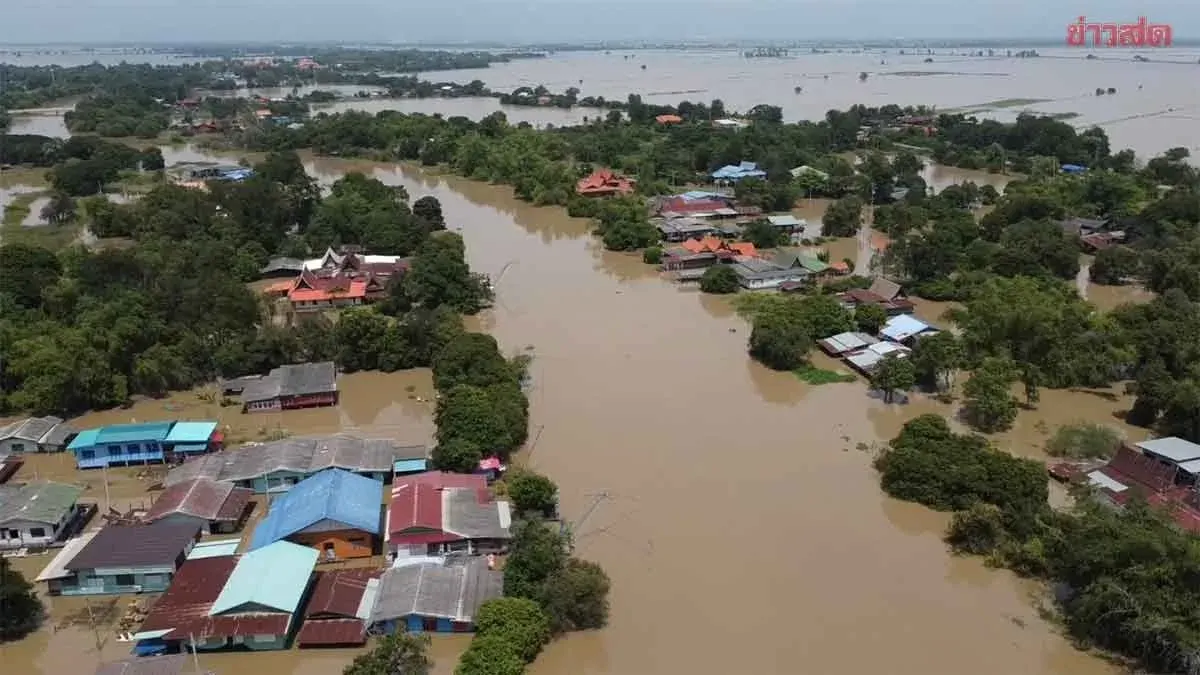
Prime Minister Anutin Chanvirakul said officials have been sent to Prachinburi and Nakhon Nayok after villagers removed water barriers, urging authorities to explain the impacts and coordinate water pumping from the Bang Pakong River. Disaster Prevention chief Nirut Phongsithiwat stressed the need to assess affected communities, set appropriate barrier heights, and arrange relief while preparing for a ten‑day dangerous rain period nationwide. He added that southern provinces are readying canals and drainage to ensure heavy rain does not cause flooding.
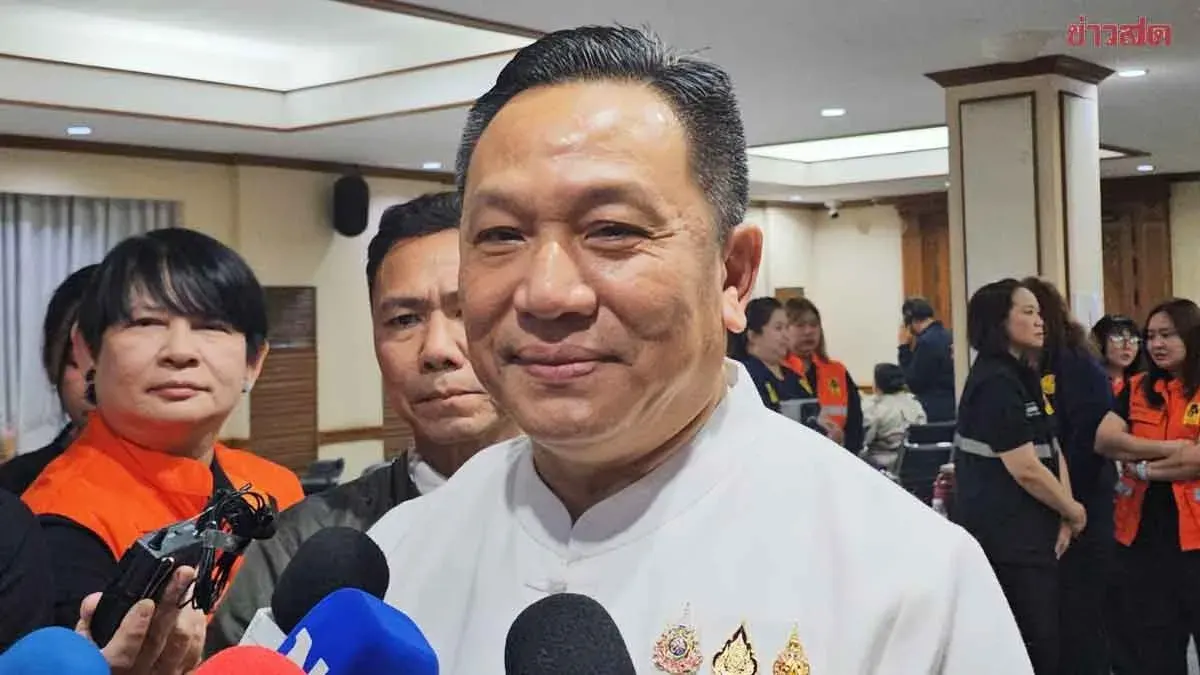
The prime minister, Anutin Chanvirakul, confirmed that personnel had been dispatched to Prachinburi and Nakhon Nayok to address disputes over villagers removing water embankments. He directed inquiries to Nirut Phongsithiwat, director-general of the Disaster Prevention and Mitigation Department (DPDM). Nirut said authorities must urgently explain to residents on both sides of the barriers what benefits the removal brings and evaluate which side would suffer impacts, the appropriate barrier height, number of affected people, relief measures, and duration of assistance. He noted that while northern areas naturally receive more water, the barriers play a key role in directing flow and protecting areas, urging provincial governors to promote understanding locally.
Regarding the water situation in Prachinburi and Nakhon Nayok, Nirut described it as a crisis in both provinces, explaining that part of Nakhon Nayok’s water flows through Prachinburi to exit at the Bang Pakong channel, necessitating proper water‑flow management. He said pumps from the DPDM, the Royal Irrigation Department, the Department of Public Works and Town & Country Planning, as well as the Royal Thai Navy and the Ministry of Defense, are being coordinated daily to use resources to their fullest extent.
On flood‑assessment, Nirut said the Mae Klong, Kanchanaburi and Ratchaburi basins are beginning to ease, with water moving toward Samut Songkhram; the navy has installed additional water‑push devices at spots pointed out by provincial governors. In the Chao Phraya basin, water has been discharged at 2,500 cubic metres per second for several days and has already reached the Gulf of Thailand, allowing embankments to keep water from overtopping banks. He added that, after discussions with Defence Minister General Anulot Bunthammajaree and navy officials, efforts will be intensified to remove water from the Bang Pakong downstream faster and in greater volume to help Chachoengsao, Prachinburi and Nakhon Nayok.
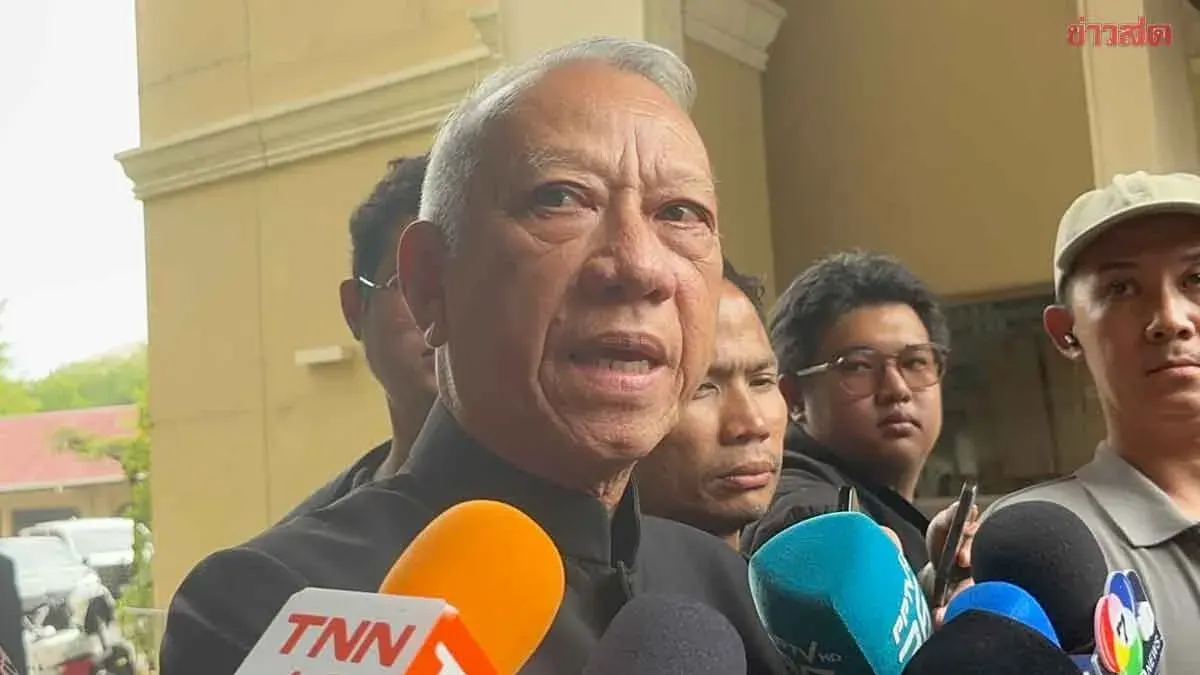
When asked about preparing for the southern region during the warned ten‑day dangerous period, Nirut said the prime minister has ordered all provinces to retrieve and rehearse their existing plans, adapting them to local needs. Reports indicate reservoirs are not full and rainfall is not at its peak, but heavy rain is forecast, so focus must be on improving waterways and community drainage, with a guarantee that a single day’s rain will not cause flooding. In Songkhla’s Hat Yai district, the governor reported that all canals have been dredged and water levels are several metres below the banks, indicating they can accommodate the expected rain this week.