Prachin Buri Rushes to Bury 2,000 Flood‑Killed Pigs
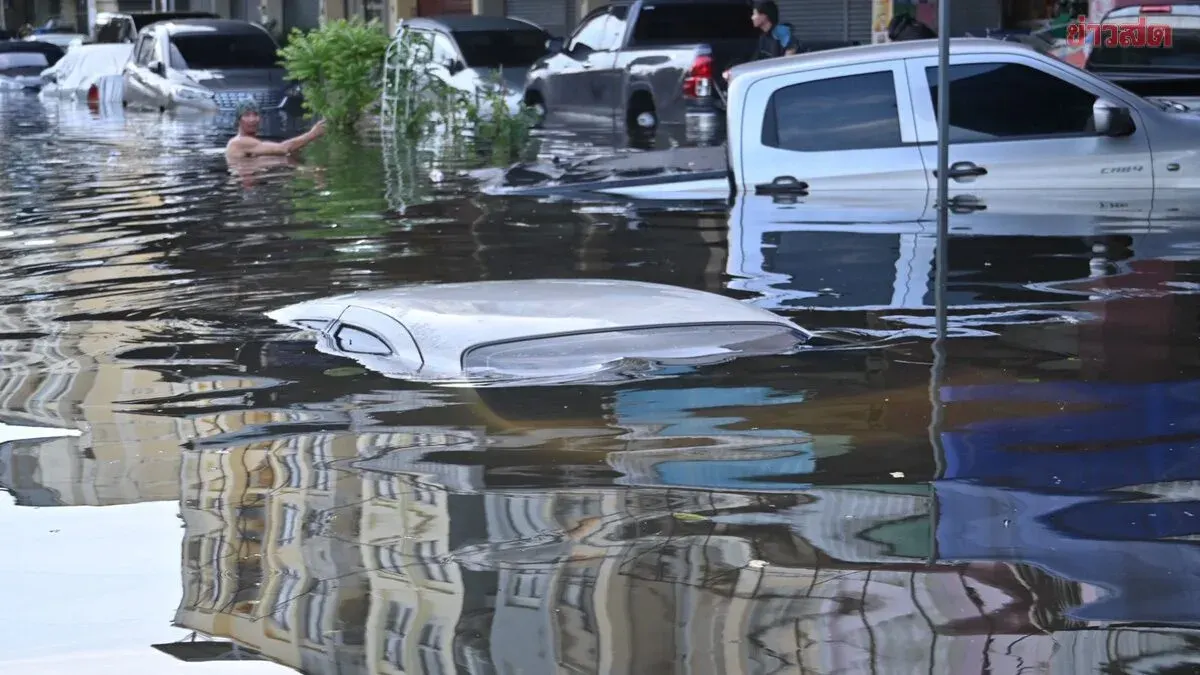
Officials in Prachin Buri are racing to remove and bury the carcasses of about 2,000 pigs that drowned in flooding, with the operation expected to finish by 7 October. Acting provincial governor Chanathip Khokmani met livestock officials and local authorities on 6 October to coordinate the operation and ensure the carcasses were disposed of promptly […]
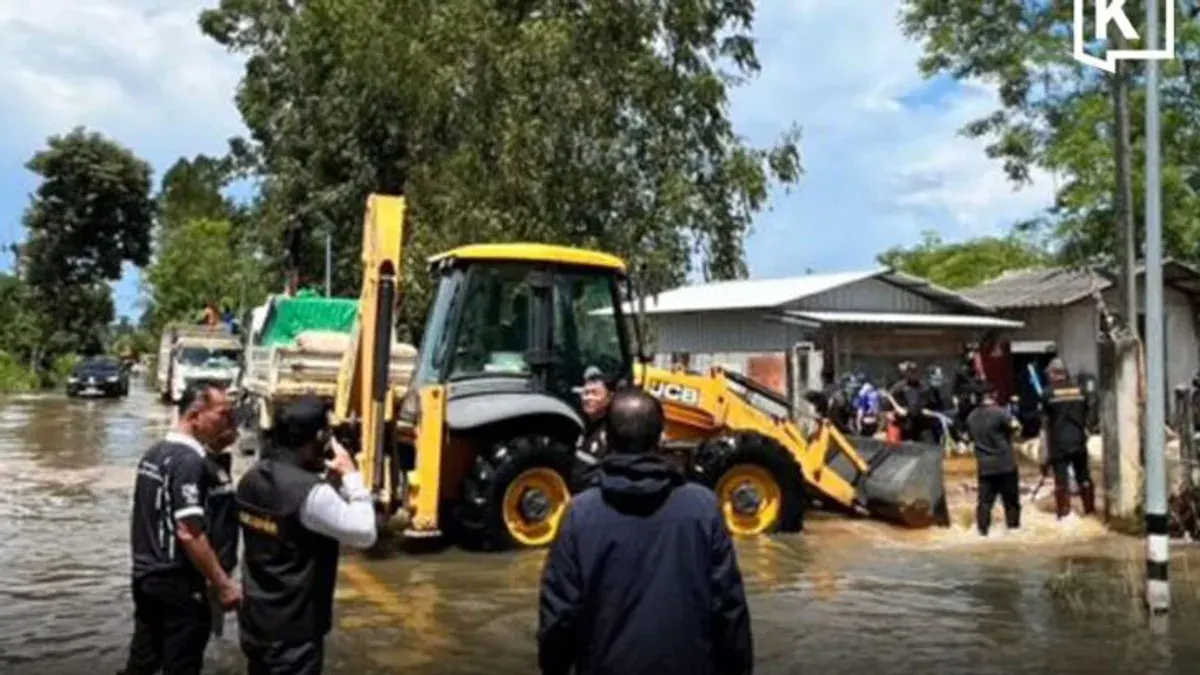
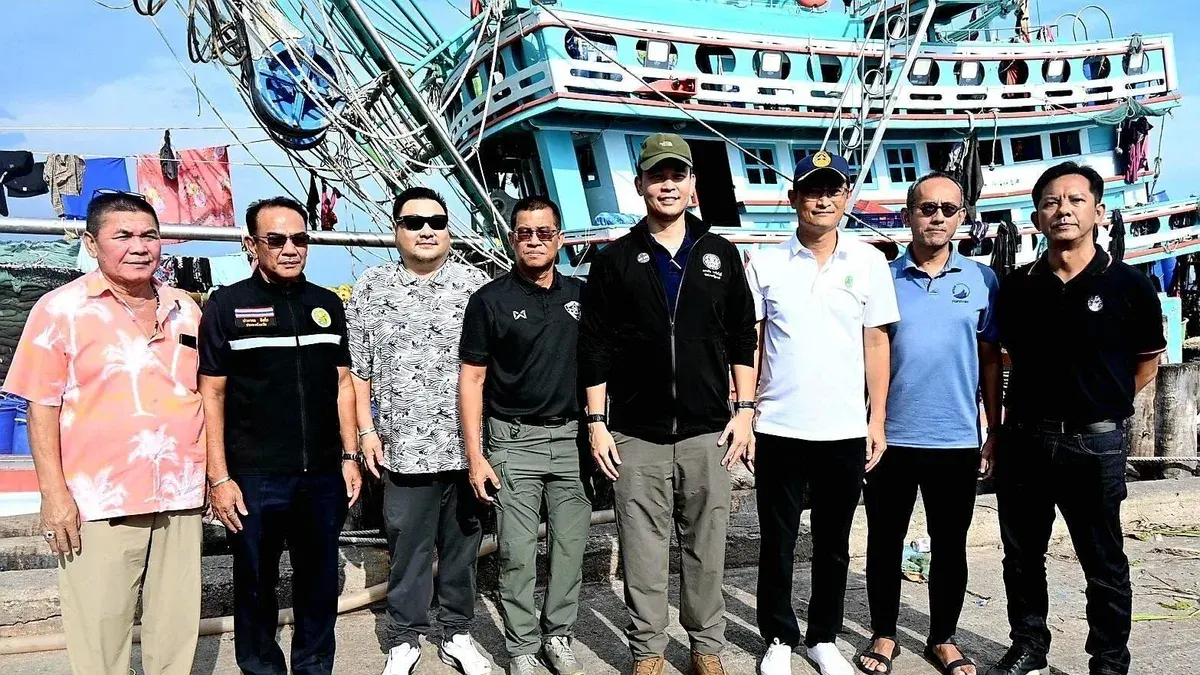
Officials in Prachin Buri are racing to remove and bury the carcasses of about 2,000 pigs that drowned in flooding, with the operation expected to finish by 7 October. Acting provincial governor Chanathip Khokmani met livestock officials and local authorities on 6 October to coordinate the operation and ensure the carcasses were disposed of promptly and safely, without affecting public health. The meeting at the provincial agriculture and cooperatives office was attended by Department of Livestock Development director-general Chaiwat Yothakhon, provincial livestock chief Sukhum Sonthiphan, district officials, and local leaders. Chanathip, Chaiwat, and other officials later visited affected farms in Muang district to inspect the removal and burial of the carcasses. They also met farm owners and inspected burial sites to ensure the work followed veterinary and sanitation standards. Officials had prioritised evacuating surviving pigs from areas at risk. Initially, only 50 carcasses had been removed and buried because high water levels were hampering access to the farms. On 6 October, the department deployed additional personnel from the provincial livestock office, its inspection and quarantine division, and nearby animal quarantine stations. They worked with the Department of Disaster Prevention and Mitigation and local agencies, using heavy machinery and flat-bottomed boats to transport the carcasses out of flooded areas. Officials initially expected to bury about 1,400 pigs on 6 October and complete the operation by 7 October, provided storms or other obstacles did not disrupt the work. A subsequent update from the Disaster Prevention and Mitigation Regional Centre 6 in Khon Kaen said about 1,200 carcasses had been transported, leaving approximately 800. The centre, which supplied personnel and flat-bottomed boats, said work would continue, with completion still expected by 7 October. Chanathip instructed agencies to move quickly while limiting environmental and public health impacts. Burial pits must meet sanitation standards, while disinfectant must be sprayed regularly around farms, water sources, and surrounding areas to prevent disease, reduce odours, and reassure nearby communities. Officials were also instructed to closely monitor the health of surviving pigs. The Department of Livestock Development is assessing losses and collecting information to provide assistance and compensation to affected farmers under the relevant rules. Compensation for animals that died or went missing will depend on their species, age, and the prescribed rates. Farmers and residents who find animal carcasses or need livestock assistance can contact their district or provincial livestock offices, or report cases through the DLD 4.0 app, 24 hours a day.