Rangsiman Summons Idear and Husband to Crypto Fraud Hearing
Rangsiman Rom, chair of the House Legislative Committee, has summoned MP Suchada Chang Thaenthong and her husband Chang Taiyang to appear before the committee on October 7 to explain alleged links to a cryptocurrency fraud network. He said the investigation will trace money flows and could lead to both legal and political action, while refusing to release evidence publicly at this stage. The move follows claims that Taiyang’s financial dealings, including large loans to a now‑bankrupt fund, have connections to crypto‑related scams prosecuted abroad.
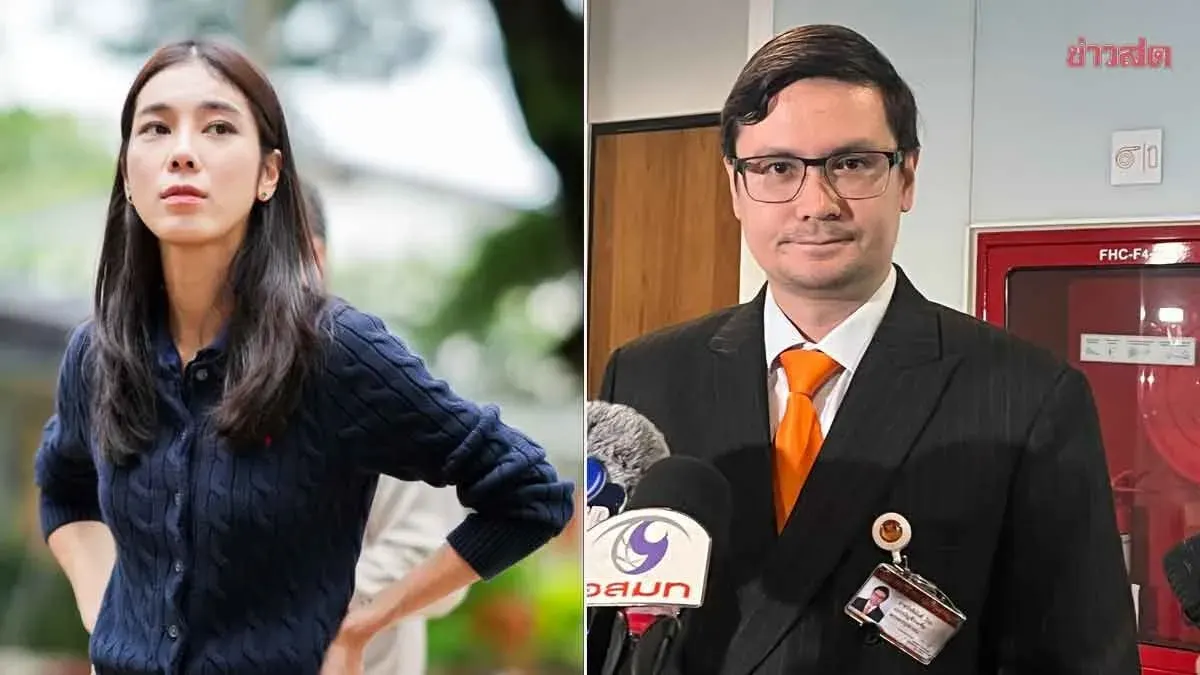
Rangsiman is set to summon ‘Idear and her husband’ to appear before the Legislative Committee on October 7, hinting at their involvement in crypto fraud and saying he will pursue both legal and political action while keeping evidence under wraps. On October 2, 2026, at parliament, Rangsiman Rom, list-MP of the People’s Party and chair of the Legislative, Justice and Human Rights Committee, spoke about the October 1 parliamentary debate in which MP Suchada Chang Thaenthong of Bhumjaithai Party and her husband, Australian‑citizen Chinese national Chang Taiyang, were mentioned as possibly linked to a scam network. He said he will send invitation letters to Suchada and Taiyang, as well as representatives of the Anti‑Money Laundering Office (AMLO), the Securities and Exchange Commission (SEC), and the National Anti‑Corruption Commission (NACC). Currently, information points to cryptocurrency and investment, raising concerns of large‑scale fraud, but he refrains from concluding, insisting on the presumption of innocence while vowing to trace all money flows and income sources. When asked about calls to reveal evidence, Rangsiman said he still refuses to disclose details because not everything can be spoken yet, as it will be needed for other proceedings, but confirmed that everyone will soon learn the facts. He also noted that Taiyang’s assets are estimated at 1.9 billion baht, with about 80% lent to a company or fund that later went bankrupt, causing shockwaves in the crypto world, leading to arrests and prosecutions in Singapore and the United States, with many linking those cases to Taiyang. Rangsiman added that he questions why Taiyang, residing in Thailand with substantial wealth and having lent money to a now‑bankrupt company or fund, shows a discrepancy in Suchada’s asset declaration. He said these facts raise hypotheses that need to be examined to determine how far the financial trail can be used for legal and political accountability.