Restaurant Seeks Price Controls Despite Oil Cost Cuts
A curry rice restaurant in Nakhon Ratchasima is keeping prices unchanged despite fuel cost cuts, saying other ingredient costs remain elevated and calling on the government to control wholesale prices for cooking supplies and food items.
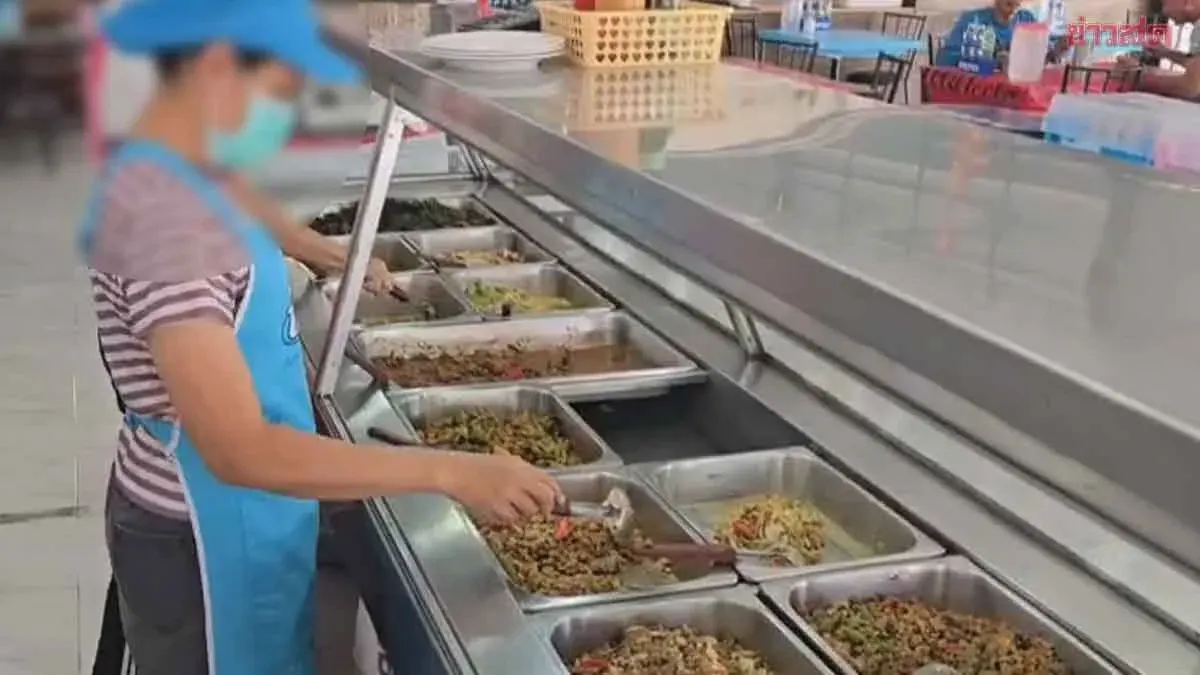
A curry rice restaurant is holding its prices steady despite a major oil price cut, citing concerns about other rising ingredient costs. On July 8, a reporter visited Samjai Curry Rice Restaurant Branch 2 in Nakhon Ratchasima following a fuel price reduction that took effect at 5 a.m. Gasoline and gasohol dropped 2.51 baht per liter, while diesel fell 2.56 baht per liter. Many observers watched to see whether restaurants would cut menu prices accordingly.
Piayapong Mitsamphand, 40, owner of Samjai Curry Rice Restaurant Branch 2, explained that while the oil price reduction helps ease some operational costs, the restaurant is not lowering its curry rice prices. The shop has absorbed cost increases from rising oil and ingredient prices without raising menu prices, and has kept customers informed throughout. Even with nearly a 3-baht-per-liter fuel reduction, the owner said there is no guarantee prices will remain stable or won't spike again. The restaurant is freezing curry rice prices for now, but will consider cuts if oil and ingredient costs continue to fall sustainably.
The owner appealed to the government to control wholesale prices for cooking gas, pork, vegetables, cooking oil, sugar, and other food ingredients—critical factors in setting menu prices. If upstream costs drop, the restaurant stands ready to lower prices accordingly. Currently, the shop sells curry rice at 50 baht and specialty dishes at 60 baht, maintaining generous portions without overcharging customers. The owner stated that if the government resolves upstream pricing problems and reduces ingredient costs, retail establishments will naturally be able to cut prices too.
One customer said she understands the restaurant's costs, noting that food preparation involves many expenses beyond fuel alone. She suggested that if restaurants are to cut prices, ingredient suppliers should lower their prices first. She viewed the cost-of-living crisis as requiring systematic government management so both businesses and consumers benefit fairly.