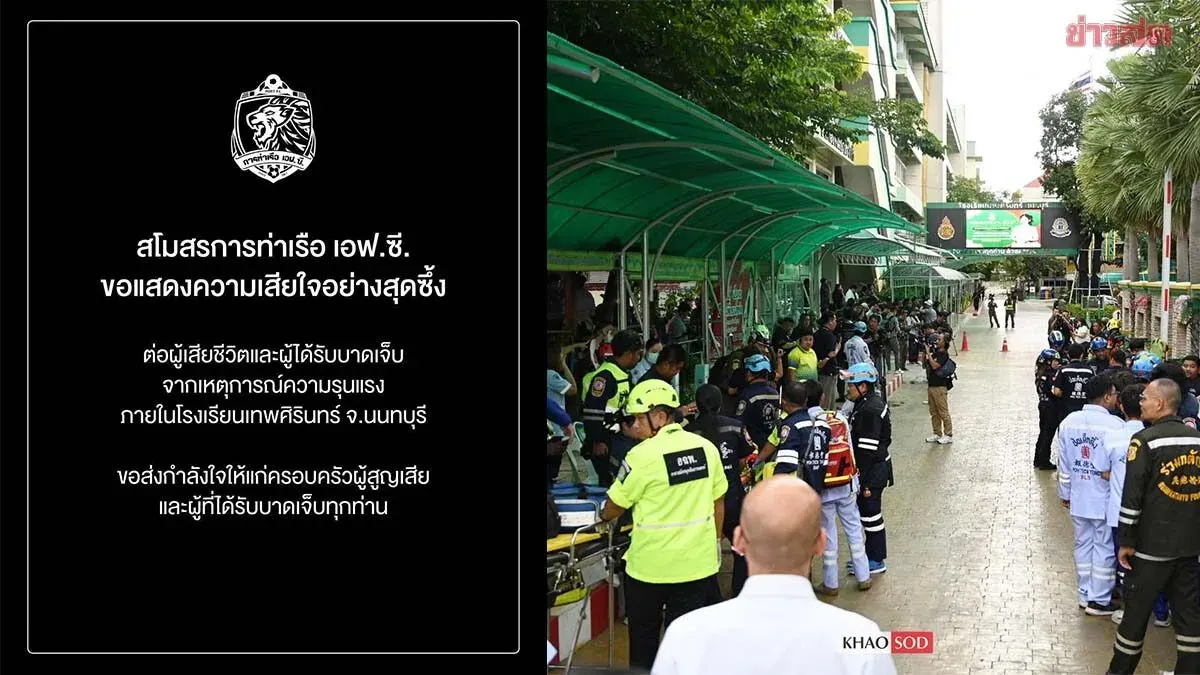
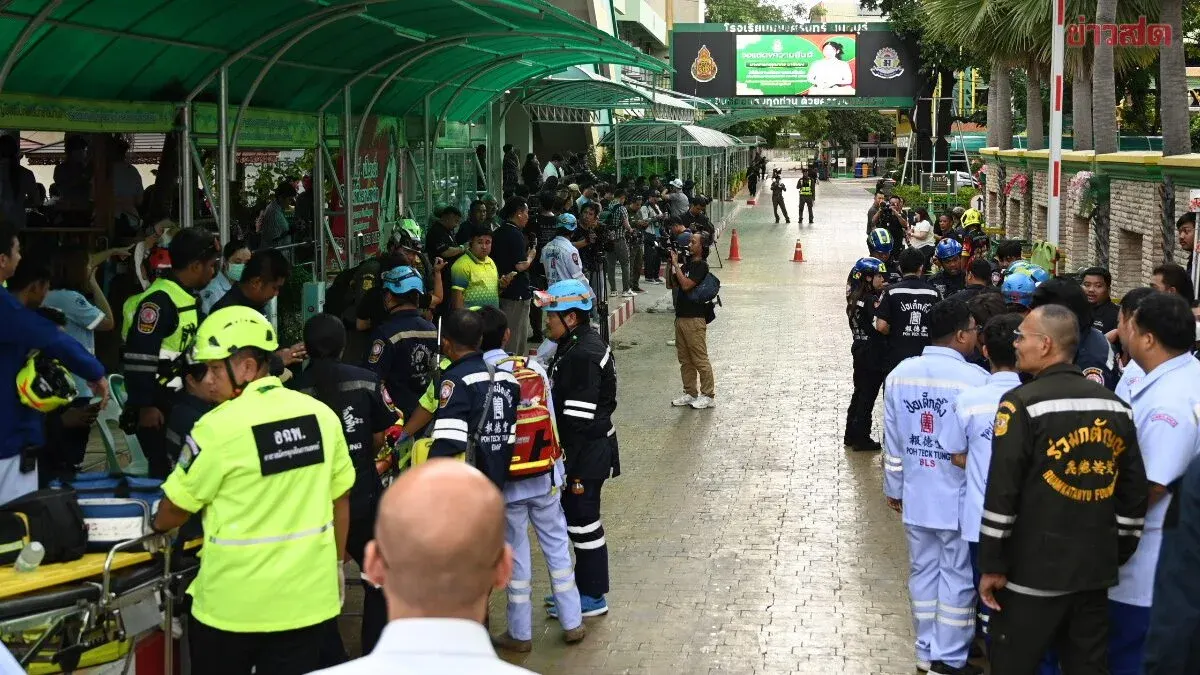
Schools Adopt 'Run, Hide, Fight' Protocol for Active Shooter Safety
Schools across multiple countries are adopting the "Run, Hide, Fight" emergency protocol to prepare students and staff for active shooter situations, with security experts emphasizing that preparedness training significantly reduces casualt

Understanding the "Run, Hide, Fight" Framework: Emergency Response Guidelines for Armed Attacks in Schools
School shootings represent one of the world's most devastating tragedies, leaving not only deaths and injuries but also deep psychological scars on students, teachers, parents, and entire communities. These incidents unfold suddenly, often in just minutes, forcing those present to make rapid decisions amid confusion and fear.
While many countries continuously strengthen security measures in educational institutions, security experts universally agree that preparedness training and emergency response education are critical factors in reducing casualties. For this reason, schools, universities, and security agencies in many countries have adopted the "Run, Hide, Fight" protocol—evacuate, shelter, resist (as a last resort)—to train students, staff, and the public. This framework enables people to make appropriate decisions and increases survival chances when facing such situations.
1. Run—Evacuate the area if safe to do so If a safe escape route exists, evacuation should be the first option. Move quickly away from the danger zone immediately, leaving personal belongings behind and assisting others when possible. As you leave, keep your hands visible and raise them clearly. Once in a safe location, call emergency services and school security personnel with as much information as you can provide.
2. Hide—Find shelter and protect yourself If evacuation is impossible, take steps to increase your personal safety. Choose a location out of the attacker's sight, lock or barricade doors, turn off lights, and silence phones or communication devices. Crouch low, spread out if in a group, and remain silent. Do not open doors until confirmed by police or security personnel.
3. Fight—Use only as a last resort Only if your life is in direct danger and no other options remain. Be prepared to stop or impede the attacker's actions, act decisively, and cooperate with others if possible. Use available materials in the area as defensive tools.
What to Do When Police Arrive
Remain calm and follow officers' instructions. Keep your hands visible with fingers spread, avoiding movements that could cause misunderstanding. If you have information, clearly report the attacker's location, injured persons, and situational details to responding officers.