Safe Ways To Extract Clogged Pores At Home
Clogged pores can be safely extracted at home using sterilized tools and proper technique, but improper methods risk infection, scarring, and worsening acne. For severe cases, professional extraction is recommended.
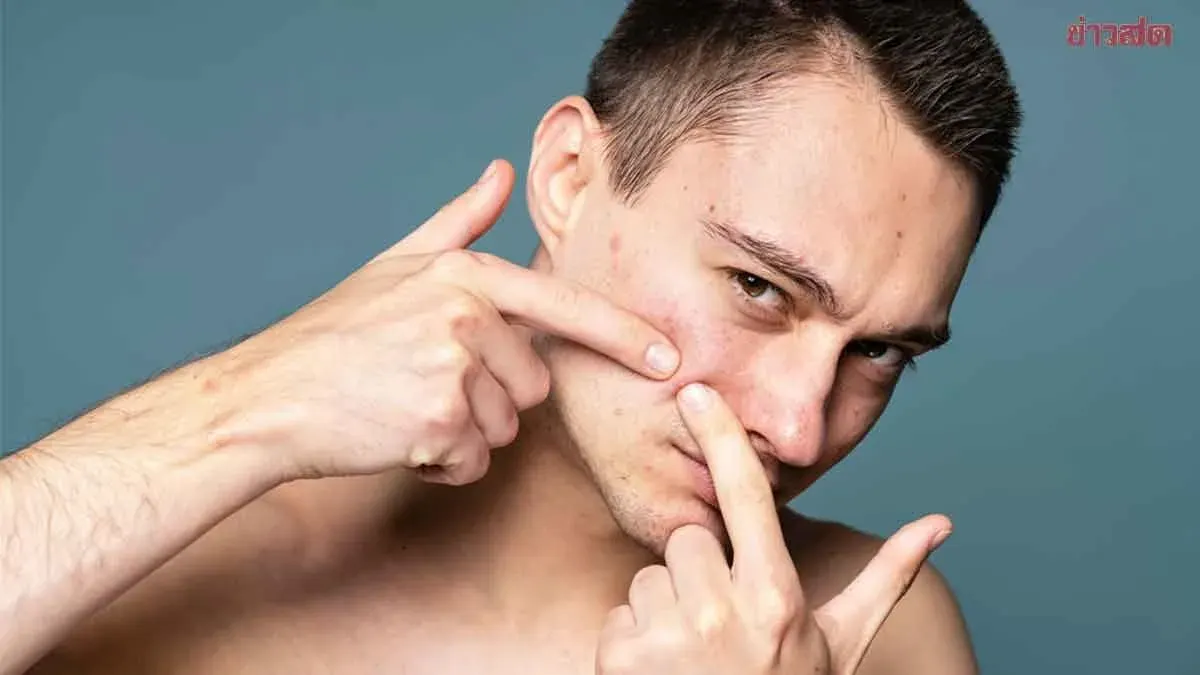
Clogged pores are a common skin issue affecting all ages, especially those with oily or acne-prone skin. They form when oil, dead skin cells, and debris block pores, creating whiteheads and blackheads. While many people want to squeeze these blemishes for smoother skin, improper extraction can cause more damage than expected.
Safe pore extraction requires several precautions: never use fingernails to squeeze, as they harbor numerous bacteria that can cause infection and worsen acne; always wash hands thoroughly and sanitize extraction tools with alcohol beforehand; avoid squeezing inflamed acne, cysts, or nodular acne, as these risk severe inflammation and permanent scarring; don't repeatedly attempt extraction if nothing emerges, as this injures skin; and stop immediately if excessive bleeding occurs.
For those extracting at home, follow these steps: cleanse your face with appropriate products to remove dirt and excess oil; apply warm compresses to the acne area for 5-10 minutes to soften and loosen the blemish; use sterilized stainless steel extractors with gentle pressure around the pore's rim, applying minimal force—if nothing comes out, don't force it; and disinfect the area with antibacterial solution or gentle toner to prevent infection.
Many ask if home extraction is safe. The answer is yes, if the acne is ready to extract and proper techniques are followed. However, lacking knowledge or using unclean tools risks inflammation, dark spots, and pitting scars. Safe extraction demands cleanliness, caution, and proper aftercare. For severe or chronic acne, professional extraction services are preferable, reducing risks and improving treatment effectiveness while restoring clear, smooth skin and preventing future breakouts.