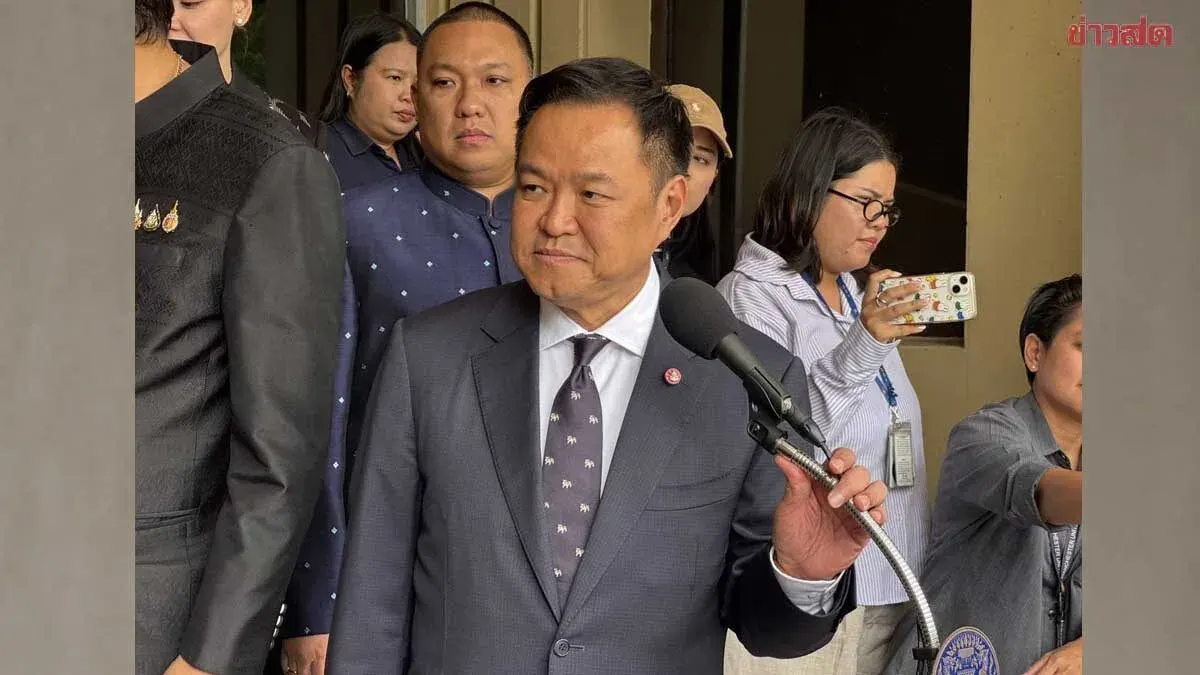
Trang Shrimp Farmers Issue Ultimatum on Price Crisis
Nearly 30 shrimp farmers from Trang submitted demands to top government officials on July 7, seeking urgent relief from a price crisis and production cost surge that has forced about half the region's farmers to suspend operations. The coop
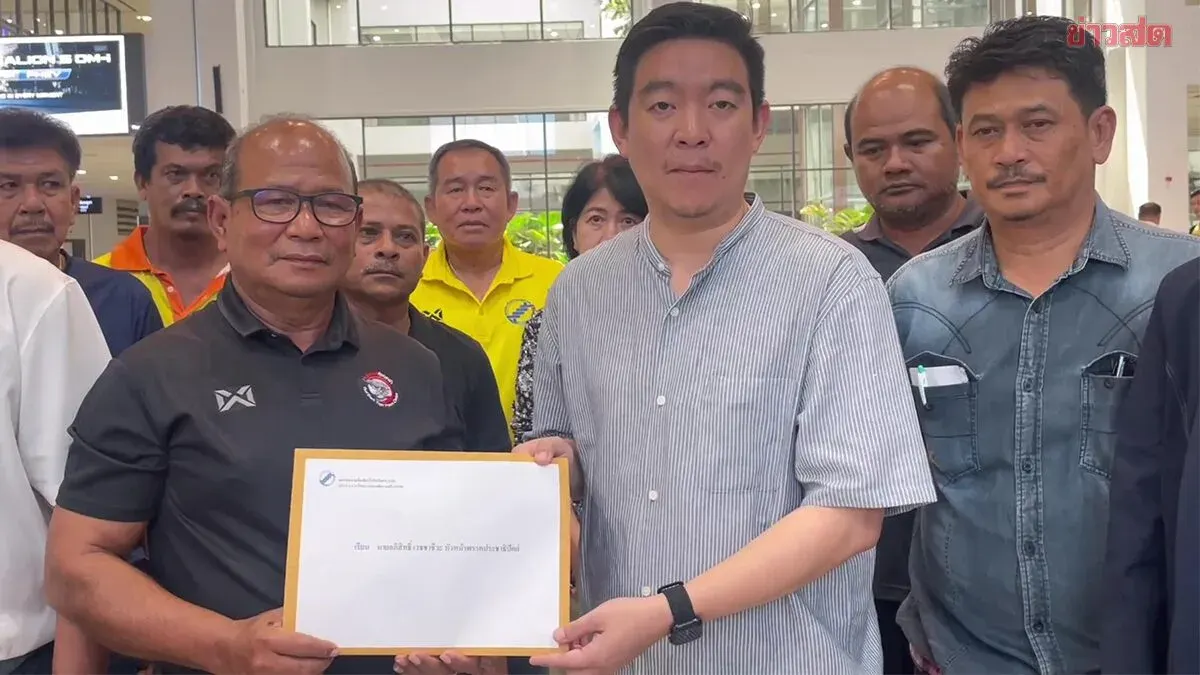
Trang — Nearly 30 shrimp farmers representing the Trang Aquaculture Cooperative from five coastal districts submitted formal letters on July 7 at Trang International Airport, addressing them to MPs Kanchana Tangpong and Ekphon Na Phatthalung for delivery to Democrat Party leader Abhisit Vejjajiva and Deputy Prime Minister Supachai Suthammaphan, the Commerce Minister. The petition included a list of over 260 affected farmers and outlined demands to urgently resolve the shrimp price crisis and high production costs.
The farmers have been requesting relief for two months with little progress. They expressed skepticism about government promises to resume shrimp exports to Malaysia within 30 days, calling such assurances vague and impractical. Farmers face a perfect storm of challenges: rock-bottom shrimp prices, soaring production costs driven by regional instability, high feed and chemical prices, increased energy costs, losses from intermediary traders, and Malaysia's ban on Thai shrimp imports since June 1. Disease outbreaks including white spot and red disease have compounded losses, with about 50 percent of farmers suspending operations over the past two months.
Farmers submitted three concrete demands: First, accelerate Malaysia's resumption of Thai shrimp purchases within 5-10 days to allow inventory liquidation and reduce production costs. Second, develop a long-term industry strategy including nationwide domestic consumption campaigns, seafood markets in every province, fair pricing mechanisms, solar panel subsidies, and reduced production cost measures for feed and energy. Third, designate shrimp farming as a national priority with a sustainable development strategy.
Chareun Yongstar, chairman of the Trang Aquaculture Cooperative, warned that delays only worsen the crisis. He stated farmers would allow the government 5-10 days to respond—aligning with a July 14 deadline—after which coordinated nationwide farmer protests will target Government House if demands remain unaddressed.