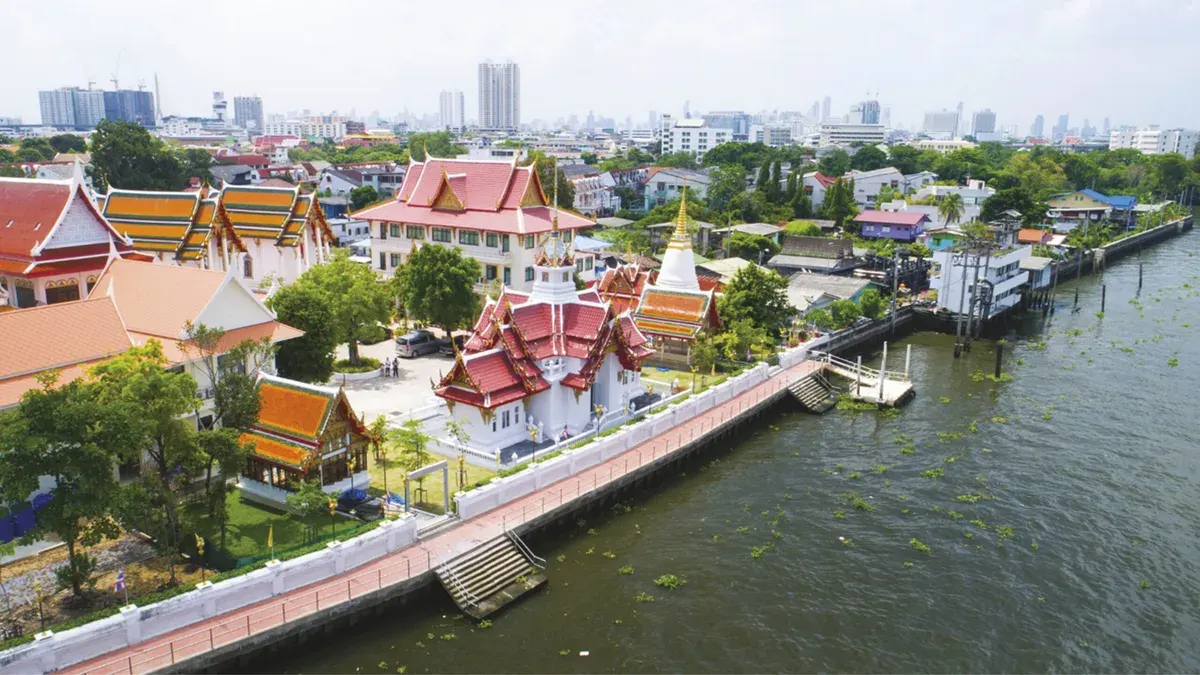
Satun Geopark Receives UNESCO Yellow Card; Ministry Accelerates Fixes
The Satun UNESCO Global Geopark received a 'yellow card' in its second UNESCO re-evaluation in July 2025 due to management structure and inter-agency cooperation shortcomings. The Ministry of Natural Resources and Environment is urgently restructuring management, appointing a new director, and forming a working group to address recommendations before a January 2027 progress report deadline. Failure to meet standards by the 2027 evaluation could result in loss of Global Geopark status.
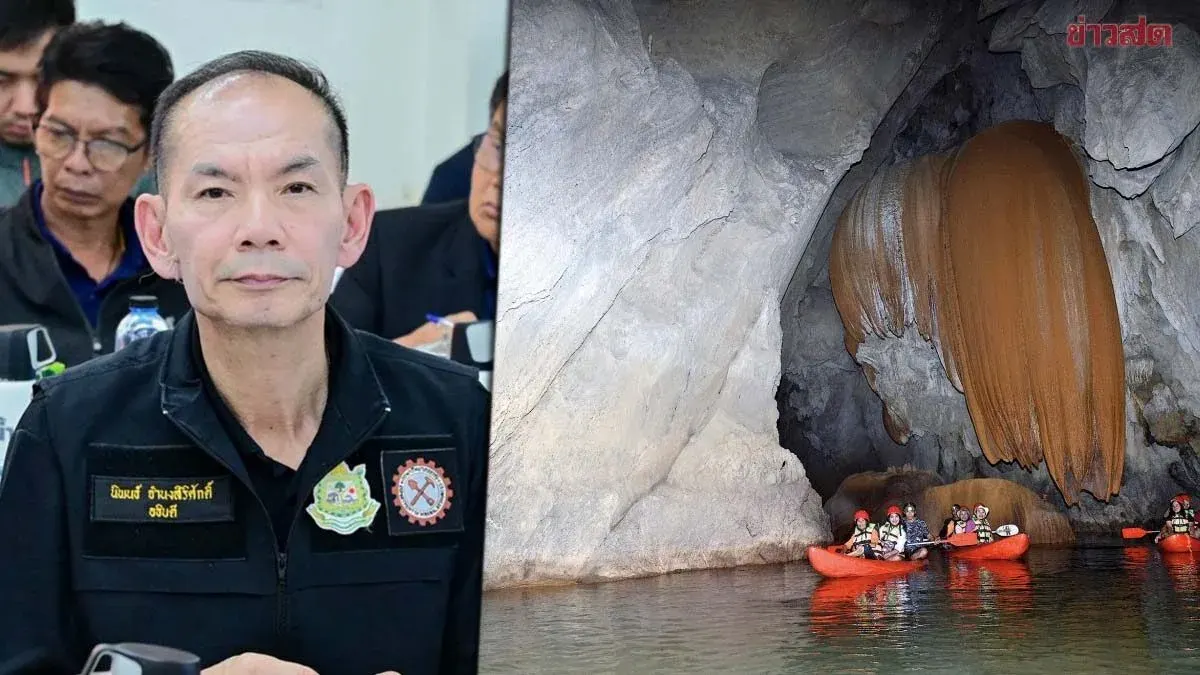
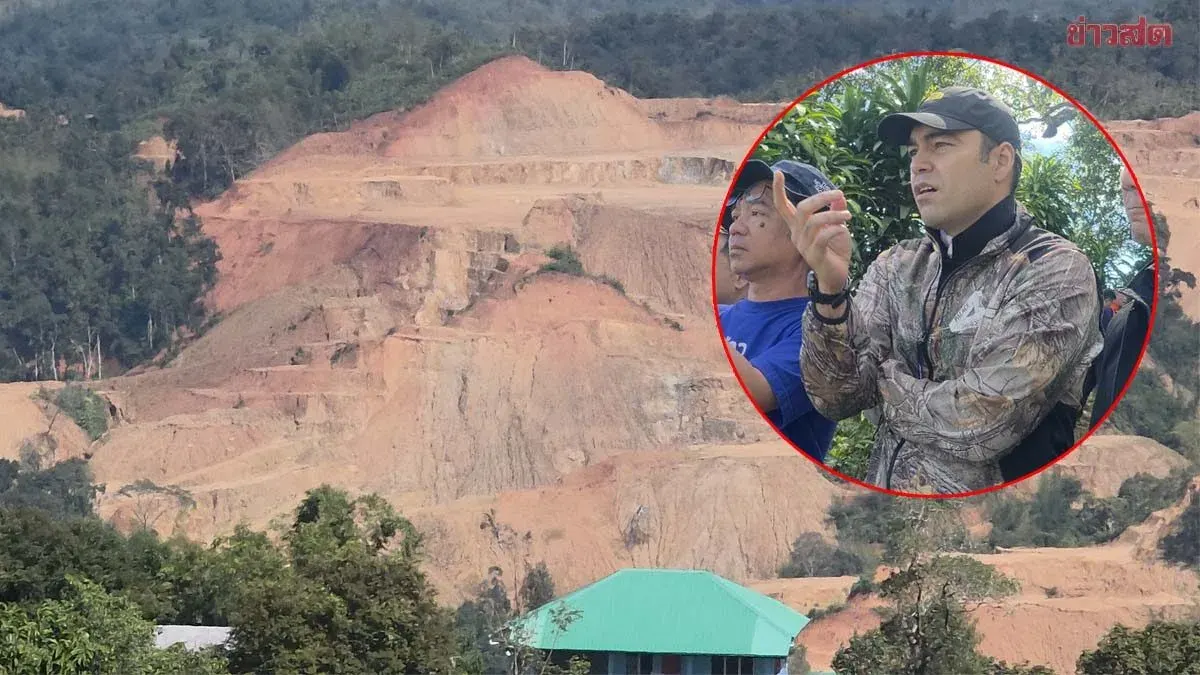
On November 14, 2026, Nipon Jamnongsirisak, Director-General of the Department of Mineral Resources, addressed concerns about the government's handling of the Satun UNESCO Global Geopark after it received a yellow card in UNESCO's re-evaluation. He confirmed the Ministry of Natural Resources and Environment is not ignoring the problem and has been working continuously with Satun province and relevant agencies to fix it, including restructuring management for permanence and integrating cooperation across all sectors to comply with UNESCO's recommendations and preserve Thailand's Global Geopark status.
Nipon stated that the Satun UNESCO Global Geopark was certified by UNESCO on April 17, 2018, covering four districts — Thung Wa, Manang, La-ngu, and Mueang Satun — with a total area of 2,597.21 square kilometers (approximately 1.62 million rai). It encompasses two national parks: Tarutao National Park and Phetra Islands National Park.
However, during the second re-evaluation from July 15–19, 2025, the geopark received a yellow card. UNESCO recommended improvements to the management system, particularly the lack of a permanent administrative structure and insufficient integration of cooperation among local agencies — critical issues requiring urgent resolution.
Regarding progress, the Satun Governor has been working with the Satun Geopark project administration, the Department of Mineral Resources, the Department of National Parks, Wildlife and Plant Conservation, and local agencies to restructure management more clearly and systematically. They are preparing to appoint a new Satun Geopark director and revise the working group to include relevant agencies with formal responsibility, ensuring continuous and sustainable administration.
Additionally, on November 5, 2026, the Ministry's Permanent Secretary appointed a working group to drive the geopark's re-evaluation, supporting academic aspects, coordinating inter-agency cooperation, and seeking funding for area development in line with UNESCO's recommendations — reflecting the Ministry's proactive, systematic approach.
The Satun Geopark must submit a progress report on area development with supporting evidence to UNESCO by January 31, 2027, before evaluators conduct a field visit in mid-2027. A decision is expected around January 2028. If it passes, the geopark will receive a green card and retain its status for another four years; if not, its status may be revoked.
Nipon emphasized that the Ministry places utmost importance on preserving the Satun UNESCO Global Geopark status, not merely fixing issues to pass evaluation but establishing a robust, sustainable management foundation that enables all agencies and local communities to participate in conserving geological and natural resources while generating long-term economic and tourism benefits for the public.