School Shooting Tragedy Exposes Failures at Home, School, and Society
A 14-year-old boy in Thailand shot and killed his grandparents and then opened fire at his school, killing multiple teachers and students before taking his own life. Investigators found he faced academic stress, bullying, family breakdown,
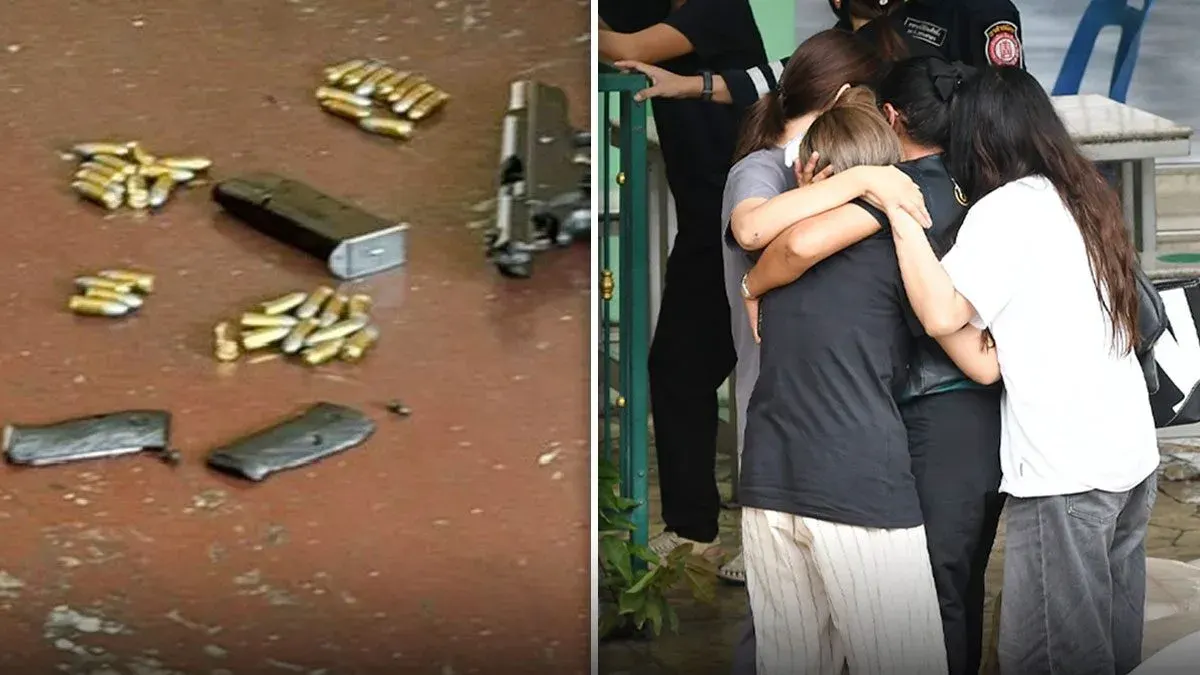
A devastating incident shook Thai society when a ninth-grade boy opened fire throughout a school building with a firearm, killing multiple teachers, staff, and students. Schools should be safe places where children learn and enjoy friendships, yet this horrific reality shattered that ideal.
Before the school attack, the 14-year-old shot and killed his grandparents, who had cared for him his entire life at home. He then brought the gun to the school and created terror within the educational institution. He ultimately shot himself, preventing anyone from understanding his true motivations, stress, or pressures.
Stakeholders must collaborate to identify the root causes and develop prevention strategies, creating case studies for parents and teachers to prevent future school incidents—particularly from well-behaved students no one suspected were capable of such acts.
Initial investigations reveal the boy faced academic stress, felt overly strict discipline both at school and home, experienced bullying and harassment from peers without support, became withdrawn and socially isolated, had a strained relationship with his grandparents, and became fixated on computer games and foreign school shooting footage.
A critical factor is that the boy came from a broken family; his parents divorced and his grandparents raised him from childhood. A lack of sufficient family warmth appears to be a fundamental issue requiring serious attention. Children deprived of love and warmth, born without knowing affection, grow into adults who fail to value anyone's life. Many children separated from parents face causes rooted in unprepared marriages and economic hardship, forcing parents into survival-mode employment. Society must address both stable family formation and economic inequality through better government policies and nationwide development.
Schools must become a second home for children, with teachers serving as psychological support and trusted mentors. A recurring question after such incidents is: where did the weapon come from? In this case, the registered firearm belonged to the grandfather and was stored at home. The critical issue is inadequate firearm storage—the gun was kept so unsecured that the child discovered it, sneaked it out, and had spare ammunition readily available.
The weapon was a semi-automatic 9mm pistol, compact and fitted to a hand, capable of loading 15 rounds and firing repeatedly. The government under PM Anuto has suspended firearm permits; anyone who owns a gun must store it at home, but must do so securely and keep it hidden so children cannot access it secretly.
This tragic incident requires comprehensive solutions: addressing family life at home, school environments, social violence, and economic hardship. All areas must be reformed.