Senate Case Not About The Money Trail, Experts Say
Legal experts argue the contested Senate case hinges on whether the selection process was fair, not on proving financial transfers as many assume. The law allows the Election Commission to refer the matter to the Supreme Court based on evid
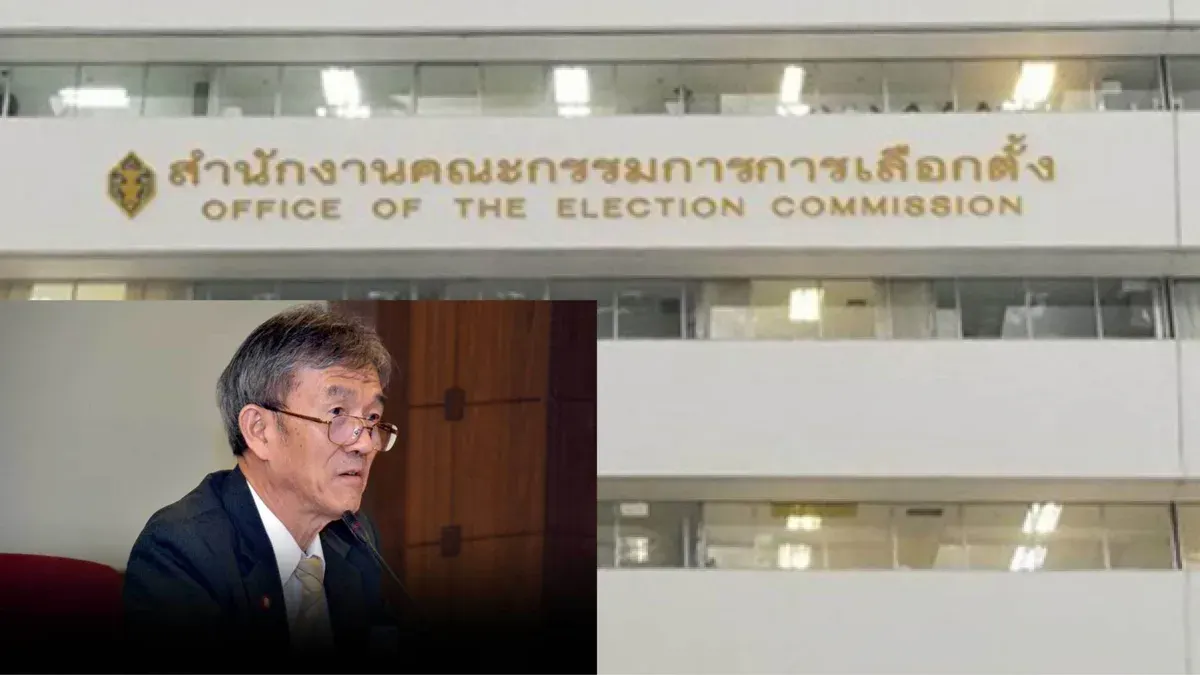
For weeks, the contested Senate election case has fixated public debate on whether a "money trail" exists, leading many to believe that without proof of financial transfers, the case collapses. But that premise misunderstands the law, according to former Supreme Court judge Watthanasak Tingsomit. The core issue is protecting the integrity of the Senate selection process. The organic law governing Senate appointment clearly separates Section 4 from Section 6, each with distinct responsibilities and standards. Section 4, particularly Article 62, safeguards the electoral system. If "credible evidence" shows the selection was not conducted fairly, the Election Commission must immediately refer the matter to the Supreme Court's election division. Section 6 addresses criminal liability, which requires proof beyond reasonable doubt to impose imprisonment, asset seizure, or political disqualification. Crucially, Article 62 never stipulates that officials must find money transfers, identify string-pullers, or resolve criminal cases first. The law asks only one question: Was the Senate selection process fair and legitimate? If there are signs of ballot manipulation, vote-blocking schemes, predetermined outcomes, or suspicious voting patterns suggesting senators did not exercise independent judgment, Article 62 can operate without a single baht of traced money. This law exists to preserve the Senate's credibility, not to criminalize individuals. When statistical evidence, circumstantial patterns, documentation, digital data, and testimony collectively suggest fraud or manipulation, the issue becomes whether the election results remain trustworthy. If the selection process has been so distorted that all 138 senators are now products of a compromised process—not merely accused individuals—the law designates the Supreme Court as the arbiter. If the Election Commission insists on waiting for a "money trail" that Article 62 never requires, it may violate its statutory duty under Article 69 of the organic law and Article 157 of the criminal code. The commission's Section 4 responsibility is to submit credible evidence to the Supreme Court to protect the electoral system, not to act as a criminal prosecutor.