New Evidence Emerges in Senate Election Fraud Case
A Thai MP presented new evidence linking powerful politicians to vote-buying operations across five provinces, raising questions about why authorities have charged only eight people despite allegations involving 229 conspirators.
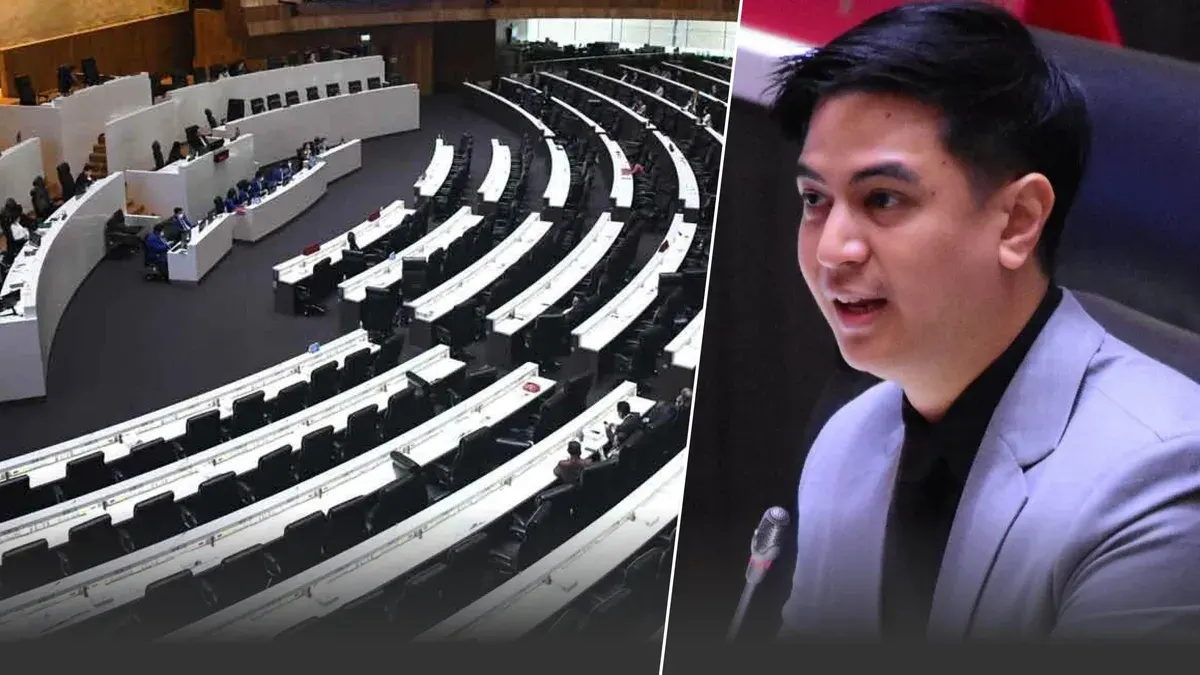
A parliamentary inquiry on July 9 focused on 'new evidence' presented by Phrisadth Wachrasindhu, a Thai Raksa Chart MP, that allegedly links powerful politicians and a systematic vote-buying operation spread across five provinces: Nakhon Phanom, Nong Bua Lamphu, Sing Buri, Sukhothai, and Suphan Buri. The evidence includes audio recordings of benefit negotiations, travel payments to candidates, money transfer trails, secret meetings, signed advance resignation letters, and instructions on testimony to the NACC and DSI. If proven true, this evidence clearly shows the case involves far more than the eight people the DSI has charged. Phrisadth's key questions are: Is this evidence in the formal case file, and have authorities conducted a complete investigation? If evidence exists that could expand the case but authorities fail to act, public doubt naturally follows. The Justice Minister confirmed authorities cannot override the DSI or prosecutors, as everything must follow legal procedure. While technically correct, the public still questions why a case with 229 alleged conspirators resulted in only eight charges. The case's decisive moment now lies with the NACC, which is reviewing evidence and documents to decide whether to indict before the Supreme Court. If charges are filed, the case enters court proceedings where all parties can mount a legal defense. However, if the NACC dismisses the case despite ongoing evidence revelations, it would raise questions about investigative standards and public trust in election integrity institutions. The Senate election fraud case is not measured by the amount of evidence or number of suspects, but by the courage of authorities to decide cases based on facts.