Thailand Launches First Moon Payload on Chinese Mission
Thailand will launch its first moon payload aboard China's Chang'e 7 mission on August 24, 2026, with a scientific instrument developed by Thai researchers to study cosmic radiation and solar activity from lunar orbit.

Thailand is preparing for a historic step in space exploration, with a Thai-designed and developed scientific payload set to travel to the Moon as part of China's Chang'e 7 mission on 24 August 2026.
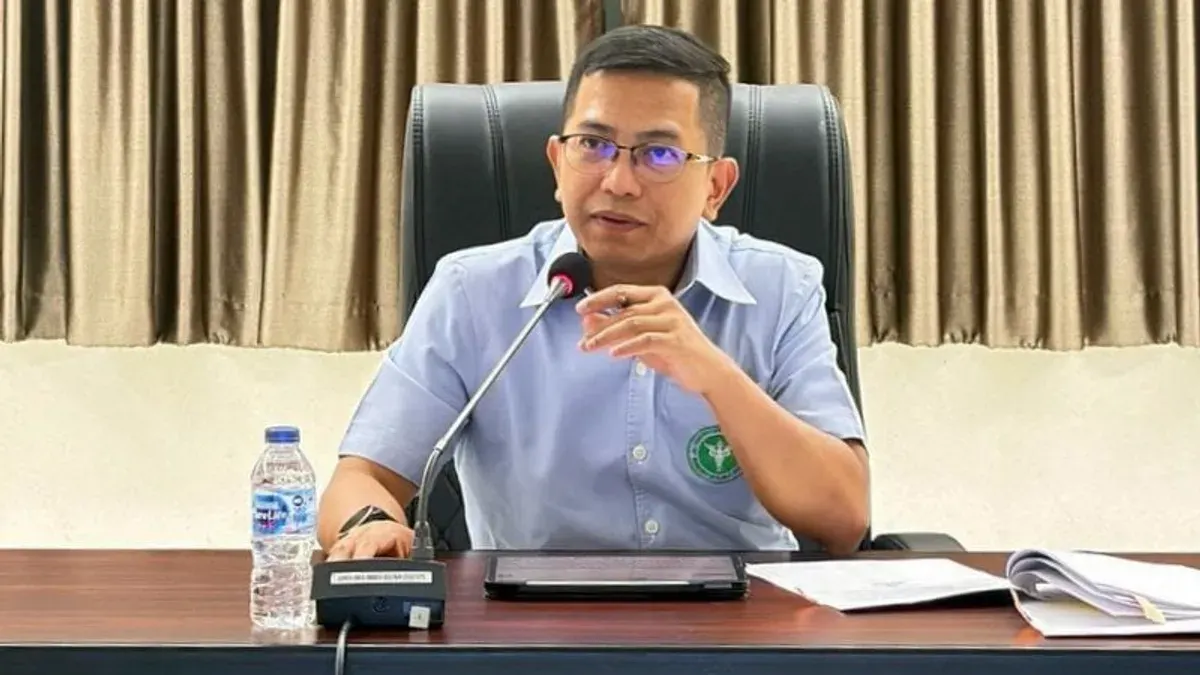
Deputy Prime Minister Yotsanan Wongsawat announced the country's readiness on 4 August during a press conference titled "Thailand's First Mission to Explore the Moon."
The CE-7 MATCH scientific payload, developed by Thai researchers and engineers at the National Astronomical Research Institute of Thailand (NARIT), will be one of seven international scientific instruments carried by the Chang'e 7 mission. The Long March-5 Y14 rocket carrying the Chang'e 7 spacecraft will launch from the Wenchang Spacecraft Launch Site in China's Hainan province on 24 August, with the launch broadcast live.
This marks the first time a Thai-developed scientific payload has passed international standards and been selected to participate in a major global lunar exploration mission. Yotsanan described the achievement as evidence of Thailand's progress in developing human capital and moving towards an innovation-driven economy.
The mission will operate in an orbit approximately 200 kilometres above the Moon's surface and present significant technical challenges while creating opportunities to develop advanced engineering expertise and strengthen Thailand's emerging space economy. The CE-7 MATCH instrument will monitor space conditions and measure cosmic radiation while studying the relationship between Earth, the Sun and the Moon, conducting continuous observations of solar storms over the next three years.
The data could contribute to monitoring and warning systems for satellites worldwide while helping develop Thai engineers with expertise in space-grade technology. Yotsanan emphasized that the most important outcome was not only the scientific instrument itself but also the development of people.
The Ministry of Higher Education, Science, Research and Innovation and the Ministry of Education are working together to broadcast the historic launch to more than 3 million young people across Thailand. The initiative will also partner with Sea (Thailand), using digital platforms with more than 20 million users to expand access to STEM education and inspire young people to pursue careers in science, engineering and technology.
Education Minister Akaranan Kannkittinan said the Ministry of Education had long promoted STEM learning, but the greater goal was to create inspiration among young people. The mission would show Thai children that technology developed by Thai people could achieve global recognition and reach the Moon, encouraging them to dream bigger and potentially become world-class scientists in the future.