Luang Pu Plien, a revered abbot of Wat Tai in Kanchanaburi province, served as the temple's leader and provincial ecclesiastical administrator while gaining renown for his spiritual authority and role in major Buddhist ceremonies during the
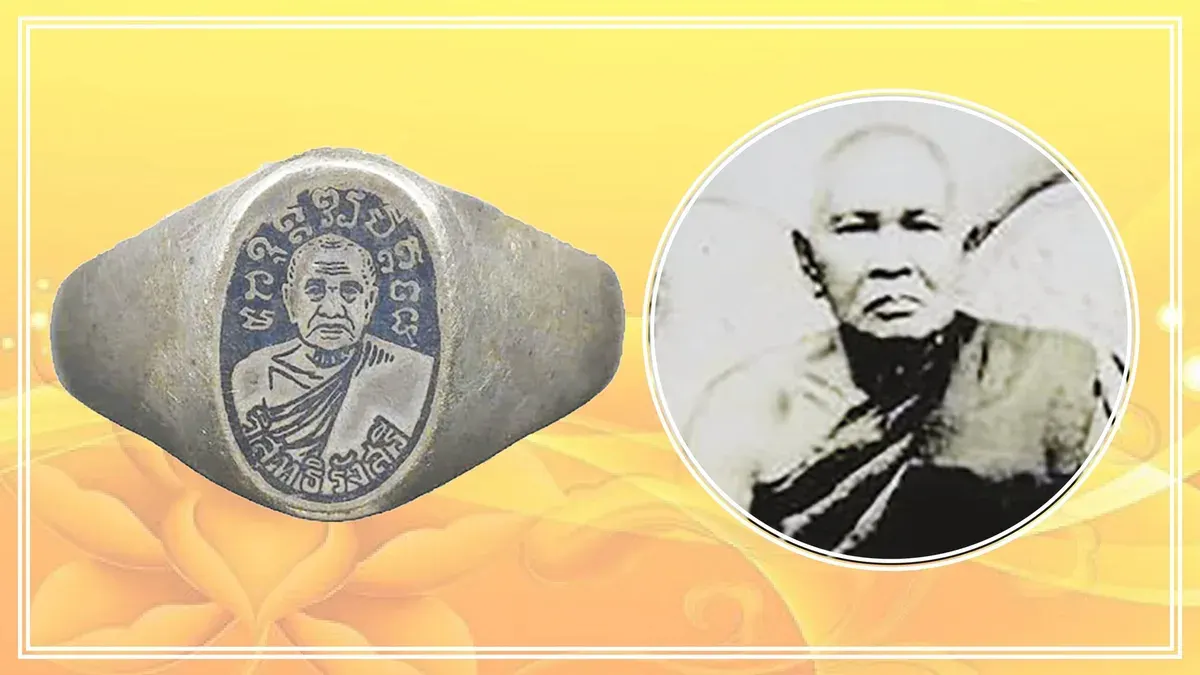
Phra Wisutthirangsi, known locally in Kanchanaburi and among amulet collectors as Luang Pu Plien Inthasoro or Luang Pu Wat Tai, was the former abbot of Wat Tai (officially Wat Chaiyachumpol Chanasokhram) in Ban Tai subdistrict, Mueang district, Kanchanaburi province. Beyond his academic credentials, he was a senior and revered elder monk who served as provincial ecclesiastical administrator of Kanchanaburi. Born on Saturday, May 2405 BE (April 5, 1862) as Thongkham to parents Muanintaraksa and Nang Jeeb Poolsawat, he was known in his youth as "Thongdam" due to his short stature and dark complexion. Concerned about his future, his parents enrolled him at Wat Tai as a student of Phra Kru Wisutthirangsi (Luang Pu Chang), the respected abbot and provincial ecclesiastical administrator of the time. Upon arrival at the monastery, his behavior transformed—he became calm, composed, and virtuous, prompting his father to rename him "Plien."
When he came of age, he was ordained at Wat Tai with Luang Pu Chang as his preceptor and two other distinguished monks as witnesses. He received the monastic name "Inthasoro," traditionally given to those born on Sunday, as his preceptor believed a Saturday-born person already possessed inherent strength and a Sunday name would balance this nature. Though initially intending to remain a monk for only seven days, he remained in robes for life. He devoted himself to studying both Khmer and Thai scriptures and adhered strictly to Buddhist discipline. He excelled in all learning and became the preceptor's favored disciple, eventually serving as his heir apparent.
Upon Luang Pu Chang's death, Plien was appointed successor abbot and received the ecclesiastical rank of Phra Kru Wisutthirangsi. He developed the monastery extensively, advanced education in both Buddhist studies and secular subjects, and established Wisutthirangsi School as the provincial monastery school. He assisted in developing numerous temples throughout Kanchanaburi and was appointed provincial ecclesiastical administrator. During the reign of Rama VI, he was elevated to the rank of Phra Racha Khana (Royal Sangha rank) and received a ceremonial title from the Supreme Patriarch, becoming Phra Wisutthirangsi Chinasanasophi.
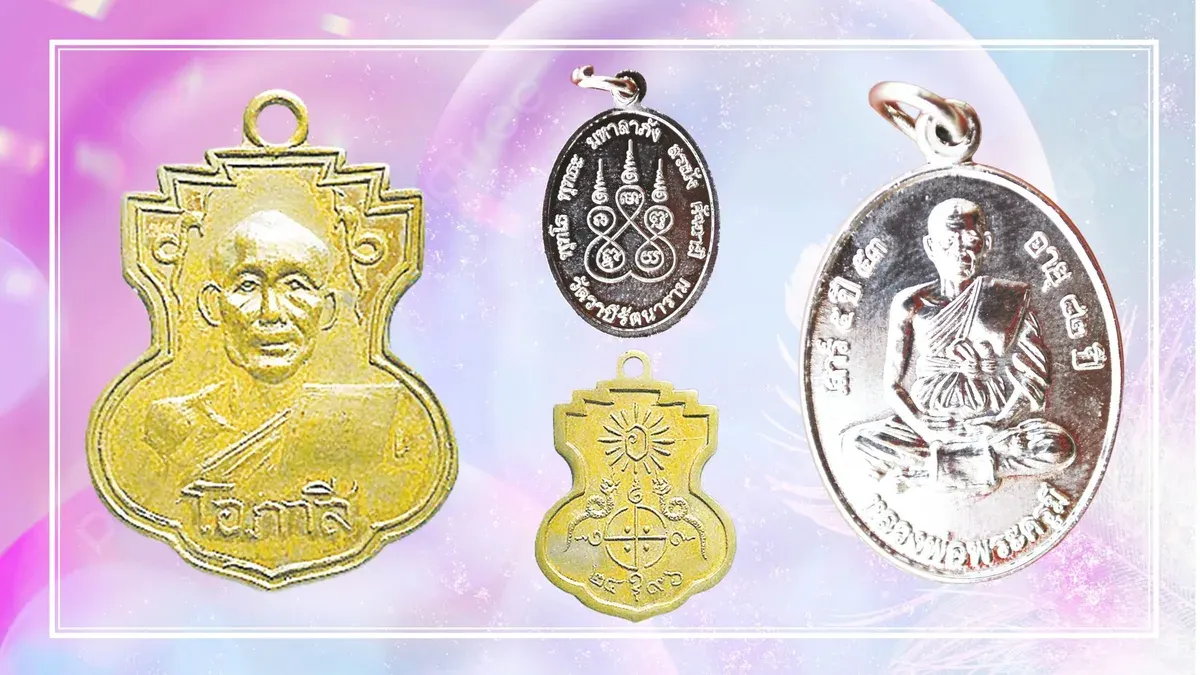
He gained renown during the Indochina War period, known to possess powerful spiritual force—even notorious bandits held him in reverence. His involvement was sought for numerous consecrations and Buddhist rites, including important royal ceremonies such as the cremation of Rama V and the coronation of Rama VI. He had many accomplished disciples, notably Phra Thepmonkhonrangsi (Luang Pu Di) of Wat Nuea, Kanchanaburi, and Phra Thepwattanavimol (Luang Pu Chiang) of Wat Charoensuttharam, Samut Songkhram. In his advanced years, at approximately 85 years old, he suffered from ailments of old age beginning July 1946. Despite medical treatment from both modern and traditional practitioners, his condition gradually declined until his peaceful death on Friday, April 4, 1947, at 9:25 a.m., at the age of 85, with 64 years of monastic ordination. The royal cremation ceremony took place in late 1947 BE. His amulets remain highly sought after, particularly his portrait medallions from the first edition.