Southern Border Violence Demands Return to Peace Talks
A car bomb and militant attack in Thailand's southern border provinces killed five rangers and wounded civilians, prompting martial law escalation as authorities seek suspects. The government reaffirms its commitment to peace talks with opp
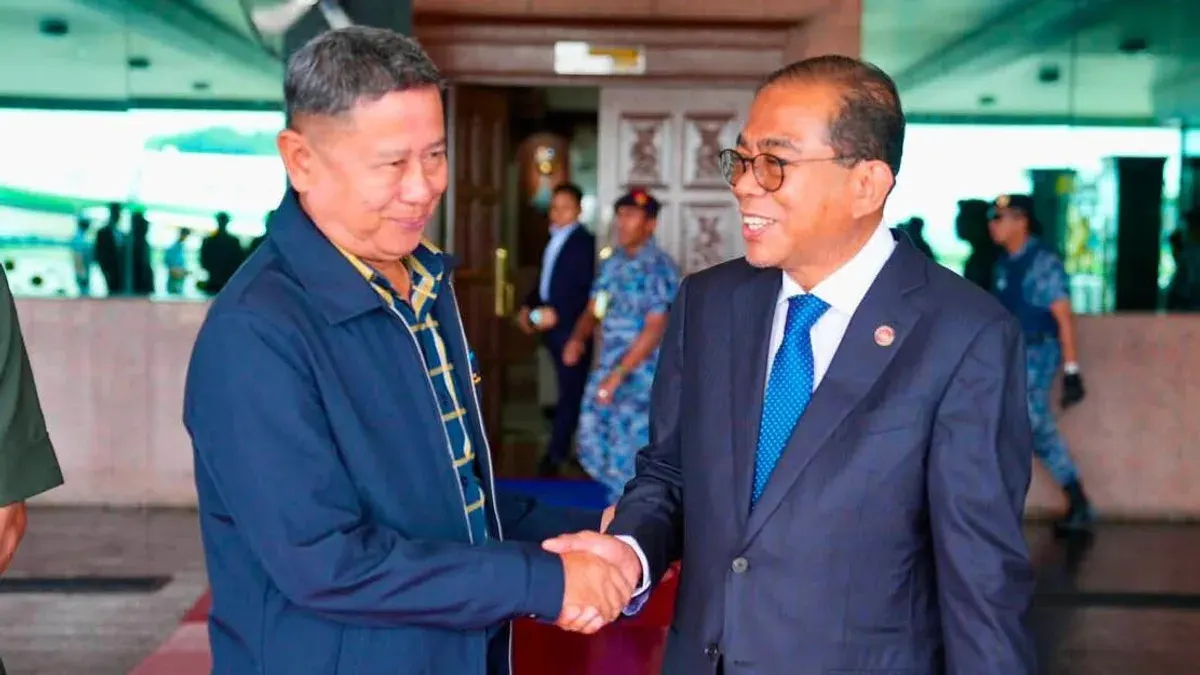
The southern border provinces have erupted again in violence, a development that bodes ill for peace-building and leaves residents living in fear. The recent string of incidents began with a car bomb at Tanah Merah hotel in Narathiwat city, fortunately causing no casualties, only property damage. A far graver attack followed in Tanah Merah Mas district, Satun subdistrict, when armed militants arrived in a pickup truck and motorcycles and assaulted a security checkpoint with military-grade weapons, killing five rangers and wounding numerous civilians. In response, military commanders declared a nationwide martial law escalation across Narathiwat, empowering security personnel to conduct checkpoints, raids, searches of suspect areas, arrests, detention, and armed retaliation to suppress and apprehend the perpetrators. Authorities have issued arrest warrants for two suspects and are questioning several others, with more arrests expected pending investigation. Care must be taken to ensure martial law does not harm uninvolved civilians. An earlier incident involving ranger deaths remains unresolved. Officers from Tak Bai police station came under fire during an arrest operation, resulting in two police deaths and three wounded. The following day brought further attacks: gunfire on hotels in Yala city and a bomb thrown at a temple in Pattani province. These incidents represent serious unrest in the southern border region. However, the government continues to pursue dialogue with opposition groups. Defense Minister Anucha Boonthiam recently visited Malaysia to confer with the Malaysian defense minister, reaffirming Thailand's commitment to advancing the peace process while maintaining security, improving living standards, and building confidence among all stakeholders to achieve lasting peace in the southern border. This reflects a positive direction. The urgent question now is how quickly to return to the peace negotiation table and avoid prolonged stalemate.