Tao Pun Model Fights Chronic Disease With Three-Color Flower Innovation
A rural Thai subdistrict combats rising diabetes and hypertension rates through the "Tao Pun Model," which uses a color-coded flower system to track blood sugar levels and trains volunteer caregivers to reach isolated residents in underserv
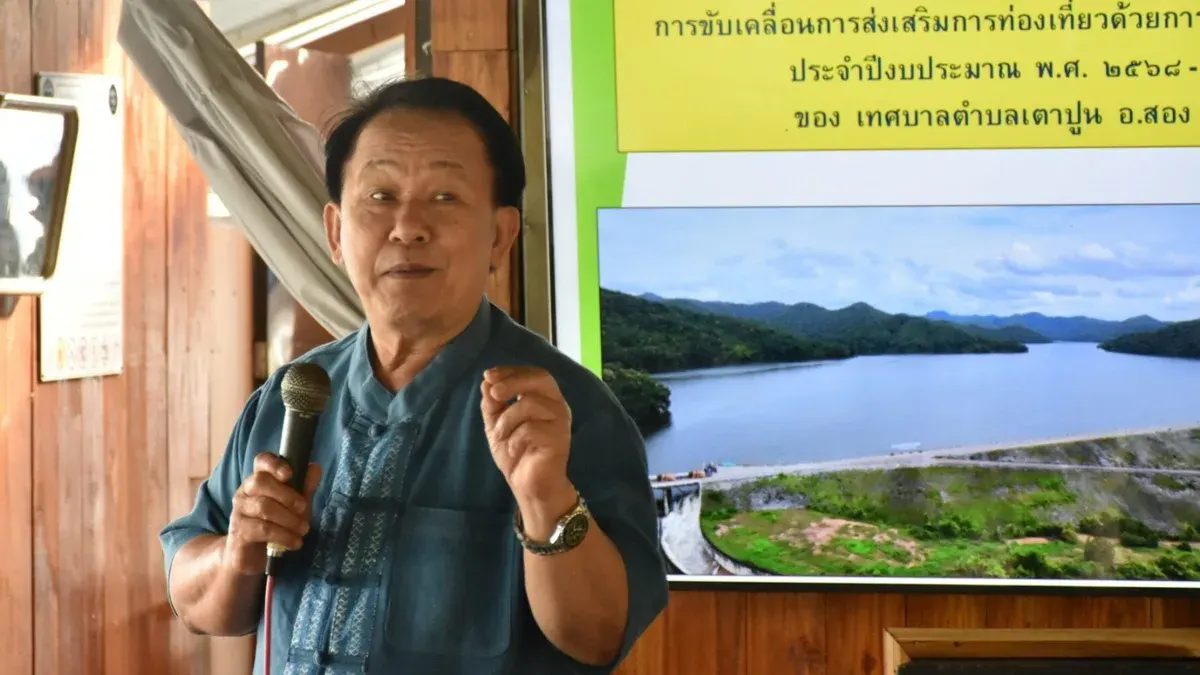
Tao Pun subdistrict in Song district, Phrae province, is implementing an aggressive campaign against noncommunicable diseases (NCDs) through the "Tao Pun Model," a data-driven initiative that creates health innovations and connects health stations, volunteer caregiver networks, and local wisdom to develop sustainable community health management. The subdistrict faces rising NCD rates stemming from unhealthy behaviors: 34.86 percent of residents drink alcohol regularly, 21.31 percent smoke, and many continue consuming sweet, fatty, and salty foods—all major risk factors for diabetes, hypertension, and other chronic diseases. Among a population of 4,778, there are currently 270 diabetes patients and over 700 with high blood pressure.
To address this challenge, the municipal administration has systematized health care since joining the Wellness Subdistrict network in 2013, supported by the Community Health Promotion Fund (THPF) and the Health Promotion Foundation. The approach emphasizes active health management while improving quality of life across all age groups and reducing NCD risk factors at the community level. Key innovations include the "three-color flower" tool—a health awareness device using blood sugar test results to communicate risk (green for normal, yellow for at-risk, red for patients)—and health stations established in every village to serve as community learning centers.
For elderly and bedridden patients, the municipality has developed a caregiver volunteer network of 27 members providing one-stop health services including appointment follow-up, hygiene care, and health coordination, particularly for isolated residents.