Thai Buddhist Amulets Draw Collectors' Attention
Thai Buddhist amulets from revered monks such as Luang Phu Kam, Luang Phu Chao, Luang Phu Phring and Luang Phu Huang are highlighted for their historical significance and collector appeal. The piece details the first-edition issues, materials, inscriptions and current market trends, noting rising rarity and value. It serves as a guide for enthusiasts interested in these sacred objects.
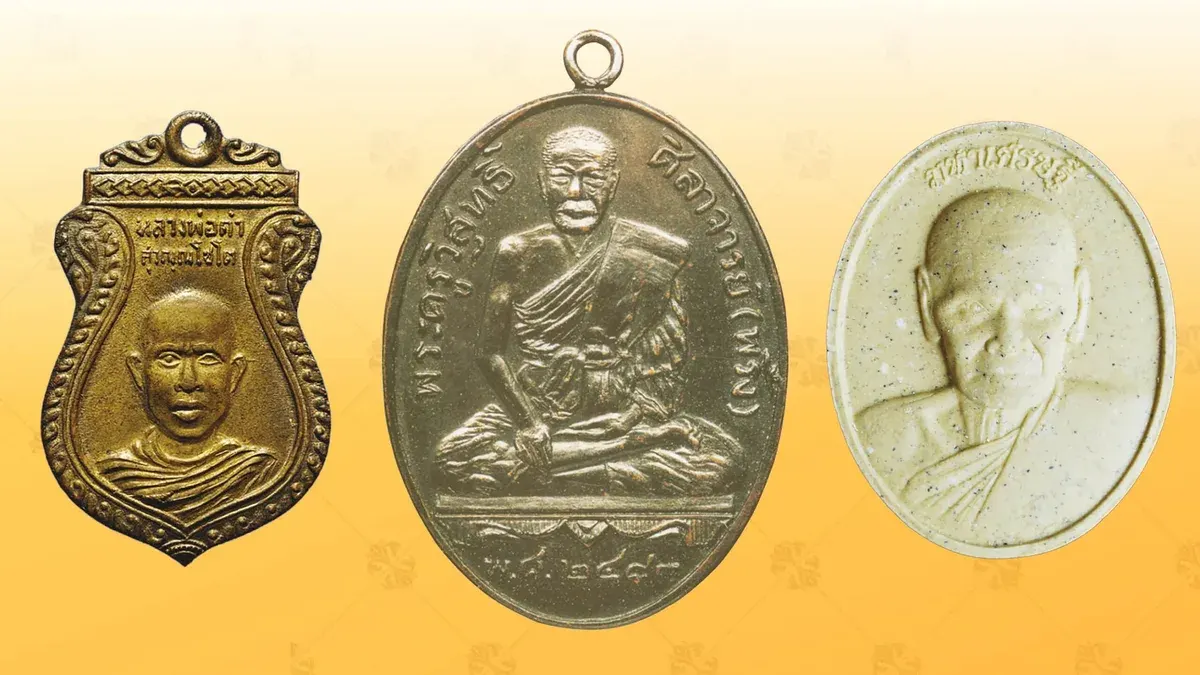
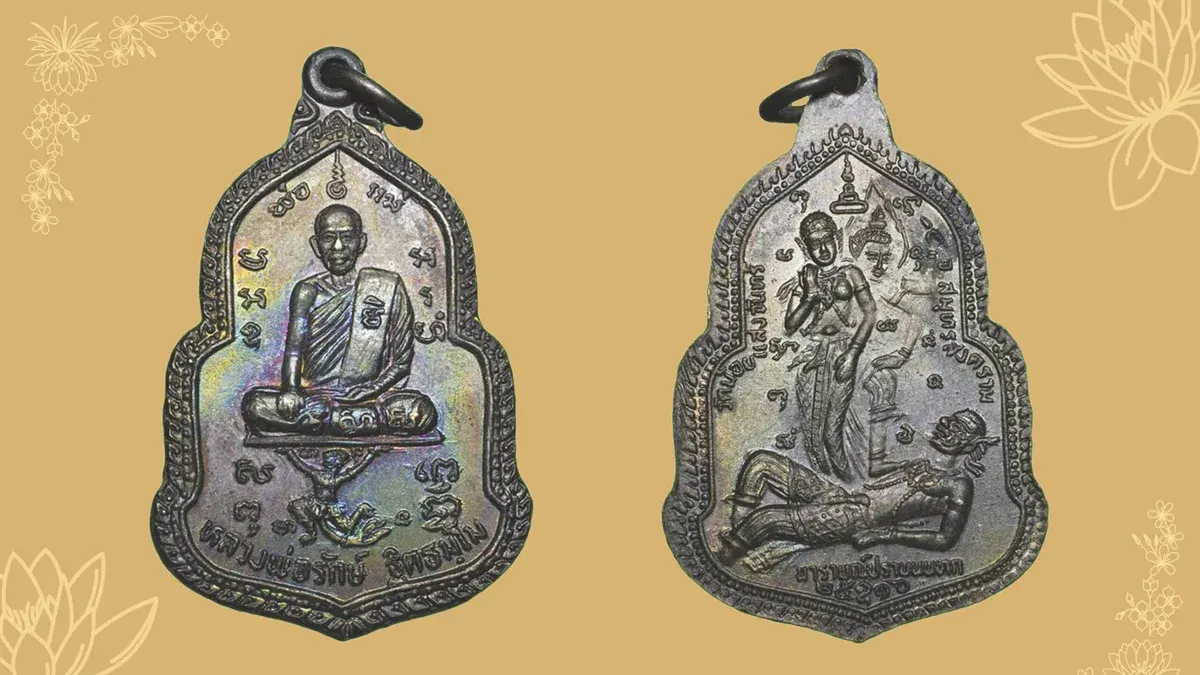
The article describes several notable Thai Buddhist amulets. The Luang Phu Kam amulet, first issued in 2509 BE, bears his portrait on a sema-shaped token, with the temple name and date inscribed; only 13,500 exist and prices are climbing. The Luang Phu Chao 'Phong Setthi' amulet comes in six materials: betel nut with silver takrut, herbal powder, incense powder, turmeric, pikul fruit, and a blended teacher’s powder; the front shows a half-body relief of the monk with the phrase 'Maha Setthi', while the back displays a sailing-ship yantra bearing Khmer characters and the inscription 'Hangi Setthi Muang Thawat Luang Phu Chao Attachitto Wat Huai Lamyai Nakhon Sawan'. The Luang Phu Phring first-edition copper amulet from 2483 BE depicts the monk seated in meditation, surrounded by his title and date, with a reverse side showing the principal Buddha in the Maravijaya posture accompanied by Khmer 'Namo Buddhaya'; it was originally given to soldiers heading to the Indochina front. Finally, the Luang Phu Huang first-edition amulet from 2499 BE is a silver or black-copper downward-facing sema with the monk’s half-portrait, flanked by kanok motifs, and a reverse featuring a triple-leg rabbit yantra stacked twice, crowned by an 'Unalom' and Khmer 'Nu Ta'.