Thai FDA Urges Checking Cosmetic Expiry Dates and PAO Symbols
The Thai FDA advises consumers to check both expiration dates and PAO (Period After Opening) symbols on cosmetic products. Many people mistakenly believe cosmetics last indefinitely or that refrigeration preserves them forever, but quality degrades after opening due to contamination and time. The FDA recommends discarding old products, storing items properly, and monitoring for changes in color, smell, or texture to avoid skin irritation.
Many people use cosmetics daily without knowing how long they remain safe after opening. This article explains the PAO (Period After Opening) symbol and expiration dates, noting that some products expire sooner than expected.
Most people have a personal collection of cosmetics, from body lotions and facial creams to color cosmetics. A common misconception is that these products never expire, or that refrigeration can extend their life once expired. In reality, cosmetics and nearly all products have an expiration date or period of use because quality deteriorates over time once opened. Hands or tools touching the product can also introduce contamination, further degrading it.
Consumers should not feel compelled to finish a product that has been kept for a long time but not used up; it can simply be discarded. When buying new creams, check the packaging for the open-jar symbol with a number and the letter M (for months), or look for the expiration date first.
Understanding PAO and Expiration Dates There are two types of lifespan information on cosmetics:
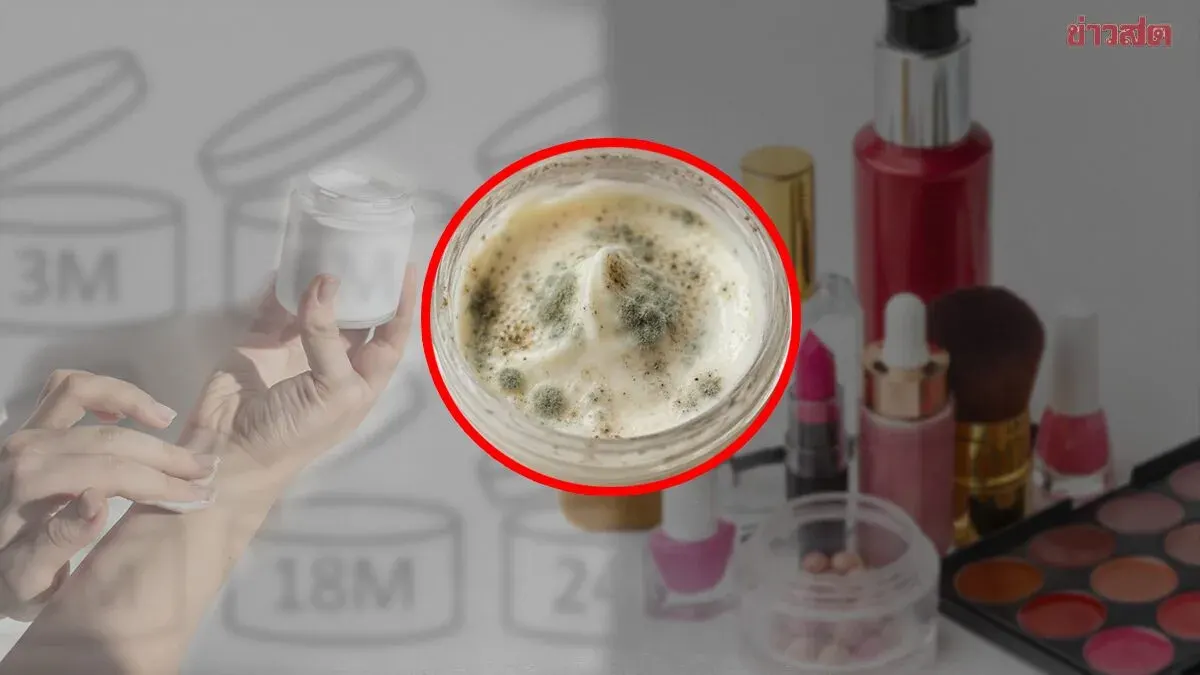
Expiration Date: The date after which the product should not be used, even if it looks normal. Invisible changes may occur, such as visible color changes, abnormal or changed odor, separation or clumping of the formula, foreign spots that may be mold, or skin irritation, stinging, itching, or unusual redness upon application.
PAO (Period After Opening): The recommended timeframe for use after opening, measured in months. The symbol is an open cosmetic jar with a number followed by M (e.g., 3M, 6M, 12M, 18M, 24M). PAO does not guarantee safety indefinitely; if color, odor, or mold appears, stop use immediately.
Why Some Products Have PAO but No Expiration Date: Under EU regulations, cosmetics with a shelf life exceeding 30 months do not require a specific expiration date but must display the PAO.
Regardless of labeling, proper storage is the user's responsibility: close containers tightly after each use, store in a cool, dry place away from sunlight, avoid direct finger contact, do not share products, and always monitor the usage period to avoid using expired items.
Source: Thai FDA (.fda.gov)