Thai Parties Push Platform Labor Protection Law
Multiple Thai political parties are pushing competing draft bills to protect platform workers like delivery riders, with proposals focusing on fair wages, algorithmic transparency, and human review before account suspension. The Thai Nation
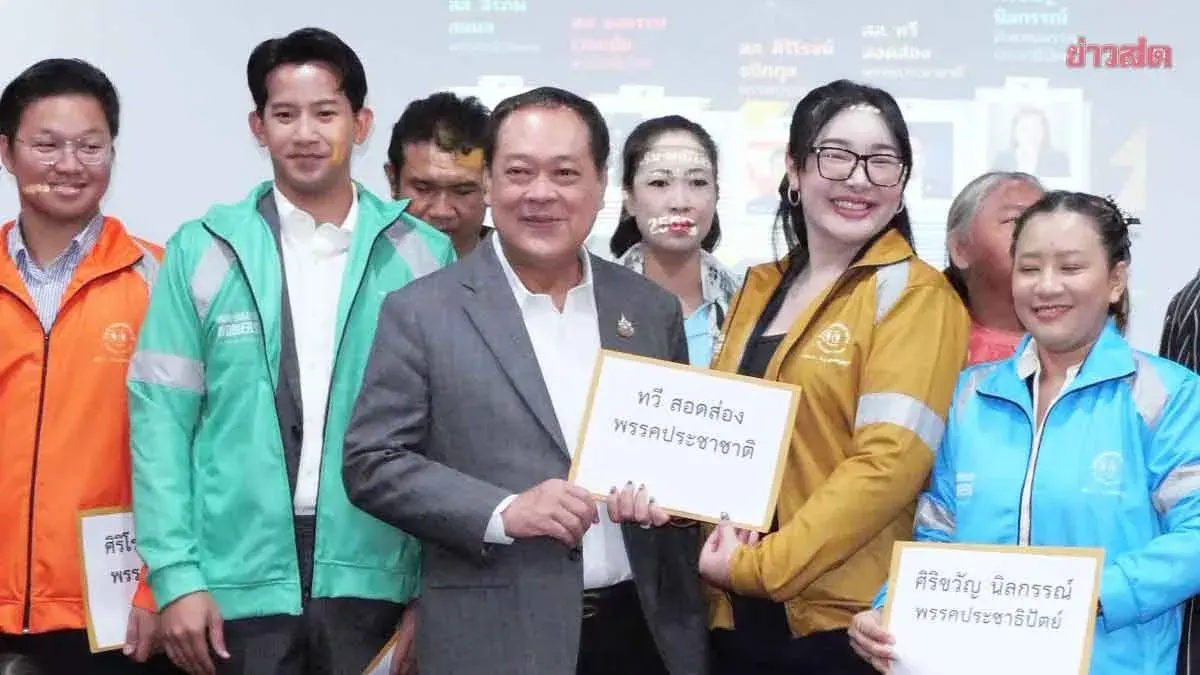
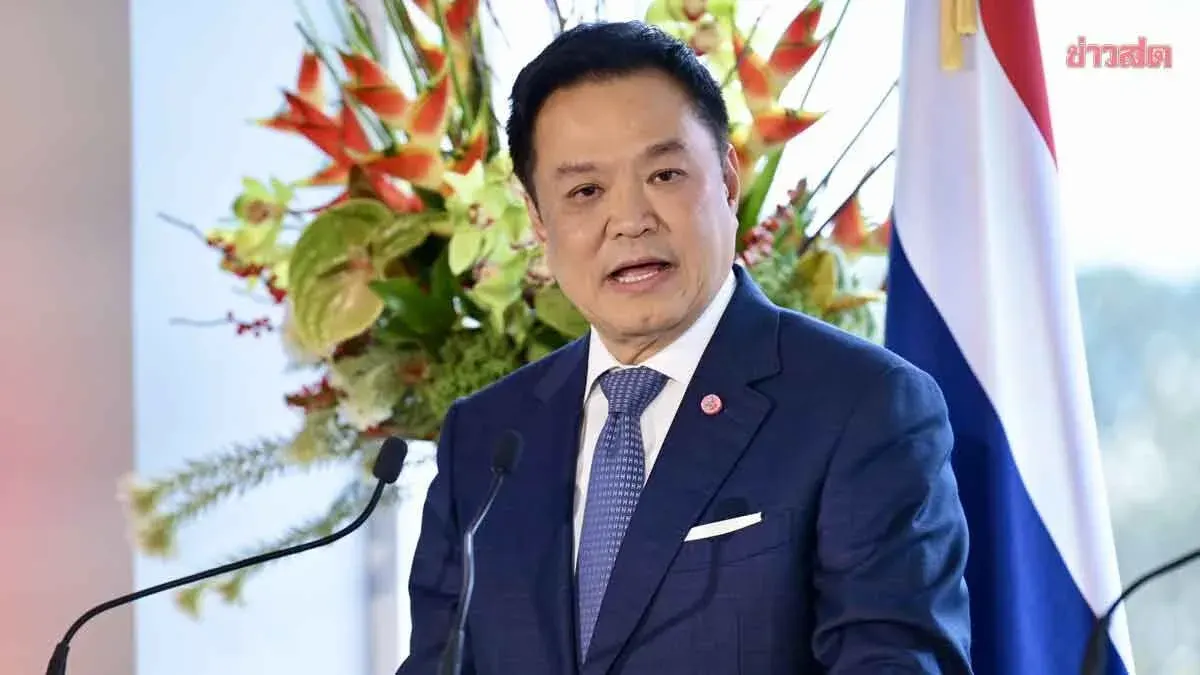
On August 20, Deputy Prime Minister Tawi Sodding, a Thai Nation Party list MP and party leader, joined a public dialogue titled "From Proposal to Law: The Future of Platform Labor in Thailand" at Century Park Hotel in Bangkok. Organized by the platform labor movement, the event brought together representatives from multiple political parties to discuss competing draft bills protecting platform workers, including delegates from the Loyal to Democracy Party, Pheu Thai Party, Thai Peoples Party, and Thai Democratic Party.
Kanok Raiwind Burinnuntham from the Thai Nation Party emphasized that protecting platform workers must extend beyond welfare schemes to include genuine negotiating power. She highlighted current problems: riders lack visibility into how the platform allocates work and have no recourse when accounts are suspended by automated systems, sometimes through AI decisions. She supported the Pheu Thai proposal to require human review before account closure to ensure fairness and transparency.
The Thai Nation Party also proposed adopting lessons from Malaysia and Singapore, focusing on four key protections: fair minimum compensation, basic health and accident insurance, algorithmic transparency, and a dispute review process before account suspension.
Deputy Prime Minister Tawi noted that Thailand has approximately 20.9 million informal workers, including many riders from the three southern border provinces working in Bangkok and other areas. He stressed that labor protection legislation must become government policy to carry political weight, adding that the law must be fair to all stakeholders—state, private sector, and workers—to enable sustainable platform economy growth.