Thai Party Submits Mining Data to China Over River Pollution
Thai lawmakers submitted data on 2,676 Myanmar mines to China's ambassador, requesting investigation into water pollution affecting Thailand and neighboring countries, with Beijing pledging support if evidence shows mines are exporting cont
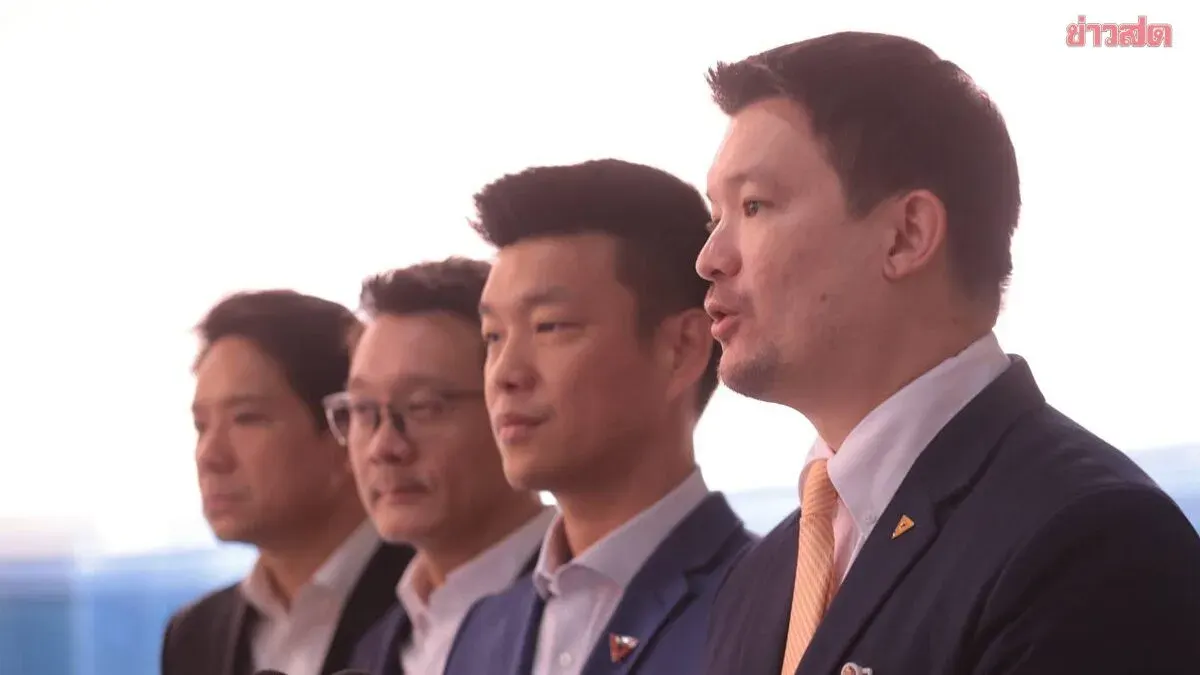
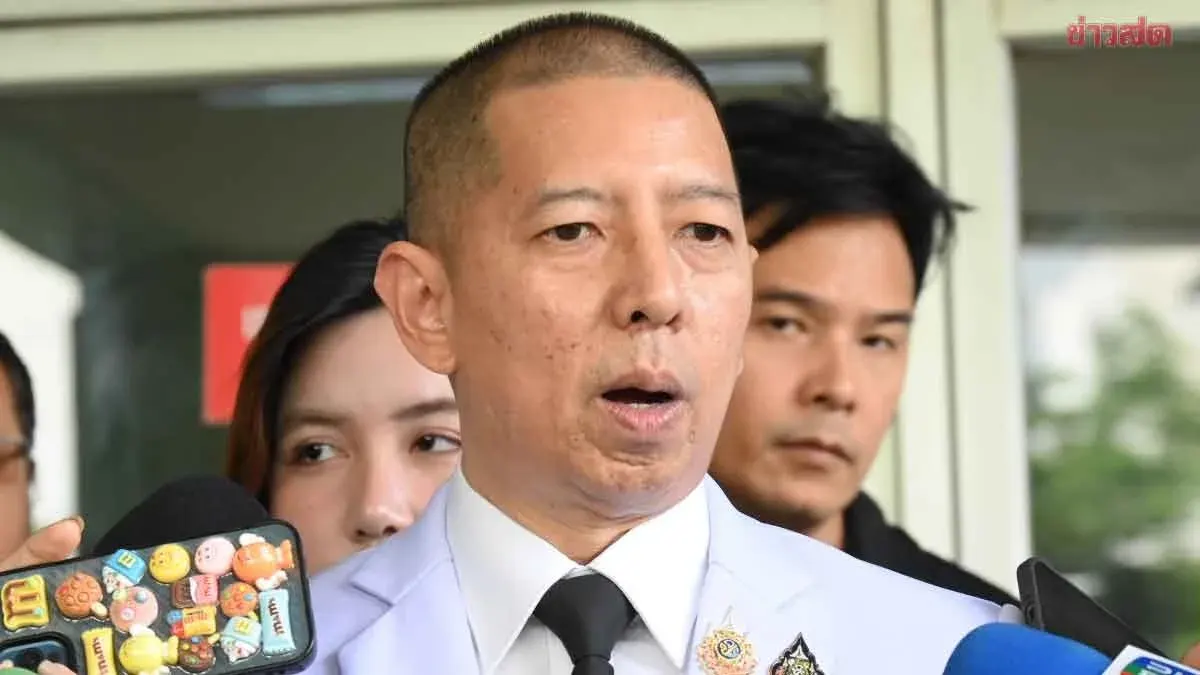
The Thai People's Party announced the results of talks with China's ambassador after submitting information on 2,676 mines in Myanmar, requesting investigation into water contamination and urging the government to lead the effort to resolve the issue. On July 15, 2024, at parliament, Nuttapong Ruangpanya, a Thai People's Party list MP and party leader, briefed reporters following a shadow cabinet meeting about water pollution problems. He stated that the party had discussed the issue directly with the Chinese embassy, and China expressed its readiness to support Thailand in addressing these problems, as the toxins affect not only Thai citizens but also millions in neighboring countries.
The embassy promised that if there is factual evidence showing that mines operating in neighboring countries are causing pollution and exporting minerals to China, China—which has strict laws on rare earth imports requiring environmental protection—would be willing to intervene, as it cares about its image and does not want the Thai public and international community to view the Chinese government as supporting improper business practices.
Nuttapong further stated that he and Pattrapong Leelapart, a Chiang Mai Thai People's Party MP, met directly with the Chinese ambassador on July 14 at the Chinese embassy. They compiled all factual data and scientific test results showing that the toxins may not originate from Thailand but from neighboring countries, and they thanked the ambassador for emphasizing that the information would be sent to Beijing and the Chinese government directly.
Nuttapong said that China has requested that the Thai government and neighboring countries work together to solve the problem, as China cannot resolve it alone. He expressed confidence that if Thailand uses proper diplomacy and takes the lead as a directly affected nation, the Chinese government will support Thai efforts and is ready to establish a multi-party working group with China, Thailand, Myanmar, and other countries to jointly verify facts.
Pattrapong stated that on July 14, he submitted a detailed memo with supporting documents to China, providing clear evidence beyond just water and soil test results. The submission includes the coordinates of 2,676 mines in neighboring countries, asking China to investigate them according to its own existing laws—not requesting China to take any action outside its legal framework. He explained that this is an initial request to enable the Thai People's Party to fulfill its role as a representative of all affected citizens, bridging China and the public to demonstrate China's sincerity and concern for this issue. The party submitted over 500 pages of documents, including scientific data and research supporting the fact that the toxins do not originate within Thailand, yet Thailand and all Mekong Basin countries are suffering the full impact.
"The environment has no borders, and all people are affected together regardless of ethnicity," Pattrapong said. "However, the Thai government must take the lead on this issue seriously, because Thailand gains no benefit from this problem."