Thailand Develops 55 Community Tourism Routes
Thailand's Tourism Authority is developing 55 community-based tourism routes in partnership with international tour operators, targeting long-haul travelers seeking sustainable and culturally meaningful experiences.
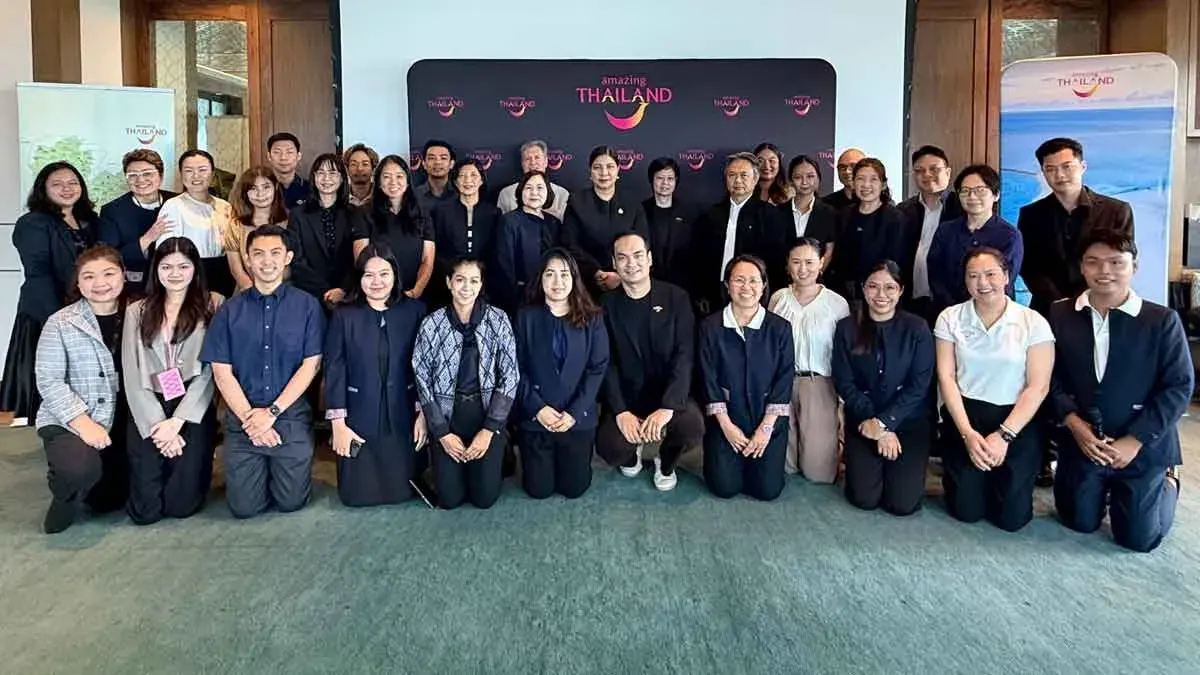
The Tourism Authority of Thailand (TAT) is convening tourism operators and long-haul market specialists to jointly develop 55 community-based tourism routes for integration into tourism programs. TAT Governor Thapanee Kiatrpaibuun stated: "TAT is fully committed to advancing Thailand's tourism sector under the 'Value over Volume' concept, focusing on creating value and elevating tourism standards to quality-driven experiences alongside sustainable development. This involves integrating cooperation from government, private sector, communities, and partner networks to develop and enhance tourism products and services, reflecting the strength of Thailand's tourism industry and the effectiveness of continuous government policy implementation."
Today, the European, American, Middle Eastern, and African market divisions are piloting workshops inviting Destination Management Companies (DMCs) with long-haul market clientele to share market insights and co-design appropriate tourism routes to strengthen Thailand's competitive positioning. Initial results show many Thai tourism communities have strong potential for advancement, while Thai tourism products and services continue attracting foreign visitors. Current tourist behavior studies reveal that most travelers prioritize responsible tourism, environmental conservation, community preservation, and quality spending—particularly Gen Z long-haul travelers seeking meaningful cultural and lifestyle experiences.
To enable communities to fully tap long-haul market opportunities, development is needed in information readiness, promotional channels, service standards, and sales tools. This will help DMCs effectively integrate programs and market them to tour operators and travel agents in foreign markets. TAT believes this collaboration represents a critical step in developing and upgrading community tourism routes to meet long-haul tourist demand while distributing income to communities and localities, fostering sustainable growth in Thailand's tourism industry.