Thailand Faces New Energy Crisis as Oil Fund Depletes
Thailand's fuel subsidy fund faces a potential 1 trillion baht deficit by October as global oil price pressures drive daily subsidies to 770 million baht, threatening the economy's recovery and forcing the government to balance relief for v
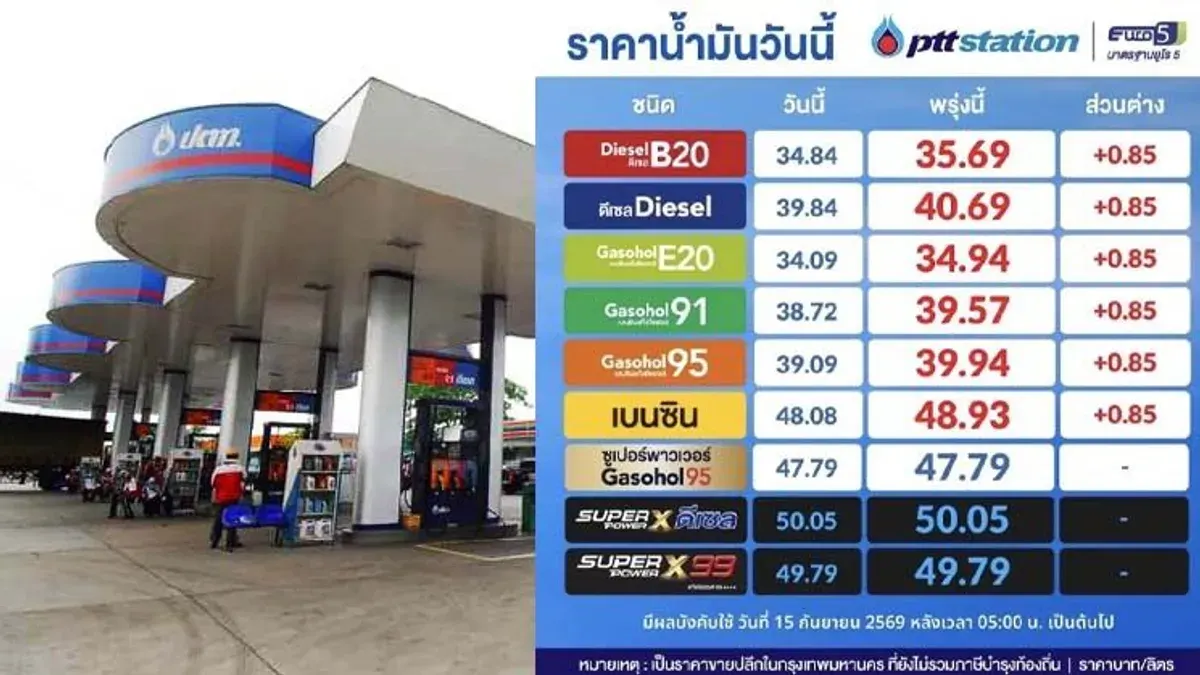
Oil prices have become a major challenge for the Anuthin government to tackle urgently, as the impact extends beyond rising fuel costs to affect transportation, goods prices, production costs, and purchasing power nationwide. The fuel fund deficit has already reached about 800 billion baht, with daily subsidies for oil and LPG at approximately 770 million baht—over 23 billion baht monthly—and risks hitting a 1 trillion baht deficit by October if the situation persists. Global energy prices remain pressured by Middle Eastern tensions and the Strait of Hormuz risk, making it impossible for Thailand's import-dependent energy sector to avoid the fallout. The government's challenge is managing the crisis without allowing the fuel fund to collapse. Immediate measures must target those most affected—low-income earners, farmers, transport operators, and manufacturers—while preventing retailers from exploiting cost increases. Short-term relief through cash transfers and welfare cards may provide temporary support, but the government acknowledges this crisis could be worse than the last, with Thailand's economy still recovering. Medium-term action requires disciplined fund management and gradual subsidy reduction if global prices remain high, coupled with mitigation measures to prevent price shocks. The electricity sector must reduce LNG exposure through long-term contracts and clean energy expansion to lower dependence on volatile spot markets. Long-term solutions demand fundamental answers: how can Thailand reduce energy import dependency? Every geopolitical crisis leaves the nation fully exposed. Sustainable solutions require more than price subsidies—they demand systematic energy conservation and serious planning across government, business, and households. Without reducing consumption and import reliance while expanding energy alternatives, the burden will return to the country. This energy crisis should trigger a nationwide shift in energy behavior and usage patterns. If all sectors cooperate in reducing consumption, import dependence, and expanding energy options, Thailand can navigate this crisis and revive economic recovery.