Thailand Locks Corn Import Quota at One Million Tons for 2027
Thailand will maintain its 2027 feed corn import quota at one million tons under WTO rules with zero tariff, while imposing a 73 percent tariff plus fees on out-of-quota shipments. The policy continues to require importers to buy three parts domestic corn for every one part imported, aiming to protect local farmers while ensuring sufficient animal feed supply. Actual imports in 2026 fell well below the allocated quota.
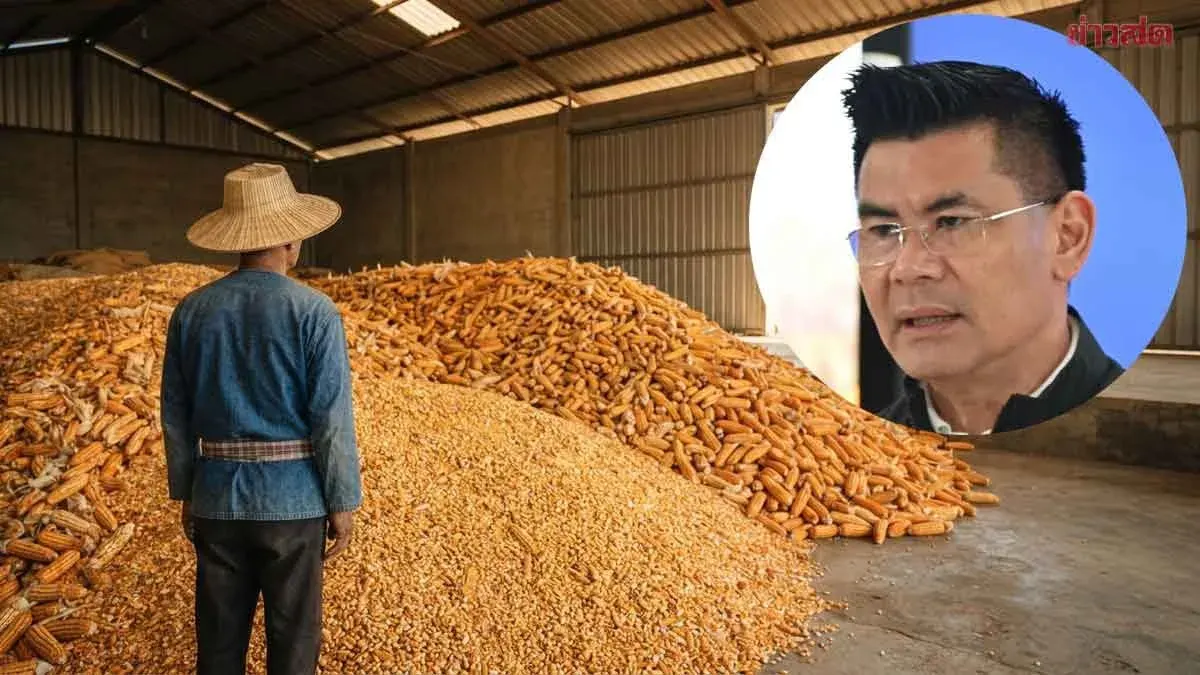
Watsan Sueayam, Director-General of the Department of Internal Trade, disclosed that the Feed Corn Policy and Management Committee, chaired by Deputy Prime Minister and Commerce Minister Supachai Suwannapan, agreed on November 26, 2026 to keep the 2027 feed corn and substitute raw material import measures unchanged from 2026. The policy aims to balance farmer price protection with sufficient animal feed supply without raising livestock costs or consumer prices.
The meeting tasked the Department of Internal Trade with all stakeholders — farmers, collectors, and feed mills — to closely monitor production, market conditions, prices, import volumes, and feed ingredient demand. Any factors affecting farmers or the supply chain will trigger an immediate review.
Deputy Director-General Yanee Srimanee said the 2027 WTO framework sets a one-million-ton import quota at zero percent tariff, with out-of-quota imports subject to a 73 percent tariff and a 180 baht per ton special fee. The 3:1 domestic purchase requirement remains, using purchase evidence from August 2026 onward. Under the AFTA framework, general importers may import between February 1 and August 31, 2027 at zero percent tariff. All imported feed corn must carry non-GMO certification. The Ministry of Commerce will submit the measures for Cabinet approval before the Department of Foreign Trade issues related announcements and regulations, effective January 1, 2027.
Wheat imports for animal feed also retain the 3:1 domestic corn purchase ratio using evidence from August 2026. Pet food producers for dogs and cats face a 2:1 ratio, while six shrimp feed producers are exempt due to wheat's importance in shrimp feed production.
A subcommittee chaired by the Department of Internal Trade Director-General will allocate the WTO quota to feed mills based on production capacity, substitute ingredient imports, and domestic corn purchase evidence to avoid depressing prices during the Thai harvest season. In 2026, about 0.57 million tons were allocated under the WTO quota but only 0.14 million tons were actually imported.
During the first nine months of 2026 (January-September), feed corn imports totaled 1.24 million tons, down 15 percent year-on-year. Wheat imports reached 1.46 million tons, up 5 percent, while barley imports fell to about 0.08 million tons from 0.15 million tons the previous year due to market prices.