Thai Feed Association Denies Government GMO Corn Import Deal
The Thai Animal Feed Producers Association denied reports that the government signed an agreement to import one million tonnes of GMO corn, clarifying the May MOU was only between the association and the U.S. Grains & BioProducts Council as
On September 15, the Thai Animal Feed Producers Association sent a letter to Deputy Prime Minister and Commerce Minister Sophchai Sudthammaphanit to clarify facts surrounding news reports about a memorandum of understanding (MOU) for importing one million tonnes of GMO corn. The reports, circulated on social media, had created a misunderstanding that the Thai government was party to the agreement.
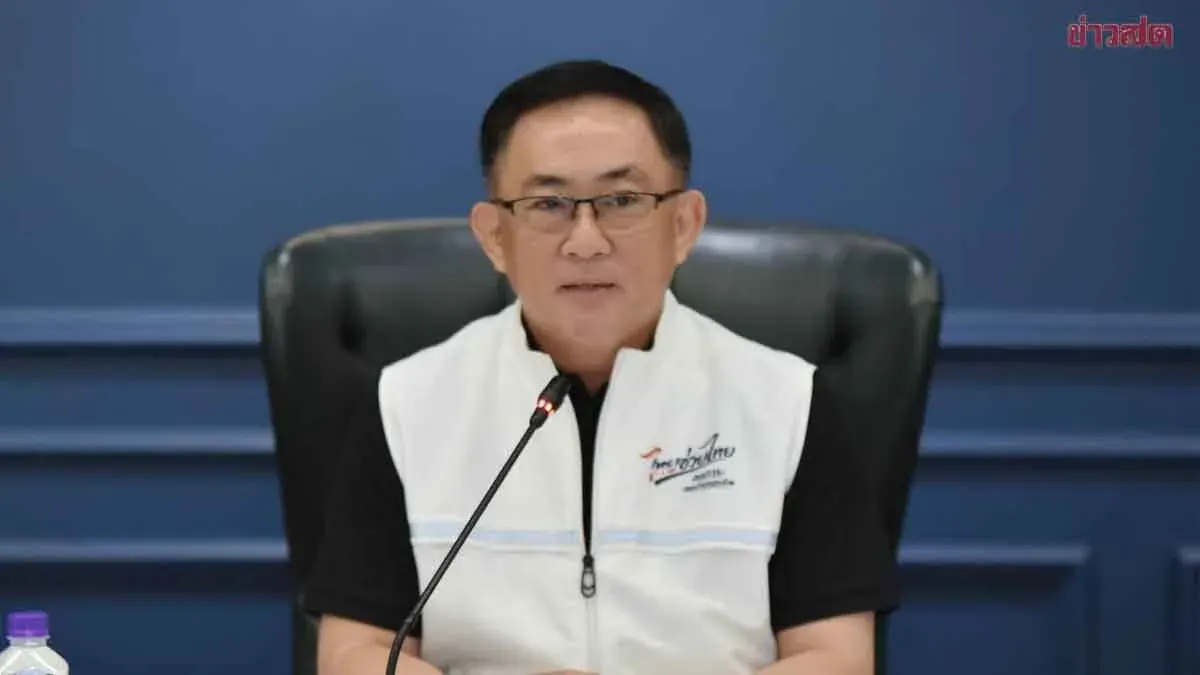
Noprasil Patcharintanatakul, president of the Thai Animal Feed Producers Association, confirmed that reports stating the Thai government signed an MOU to import one million tonnes of GMO corn are untrue. He emphasized that the public should understand the correct facts about the agreement's content and parties.
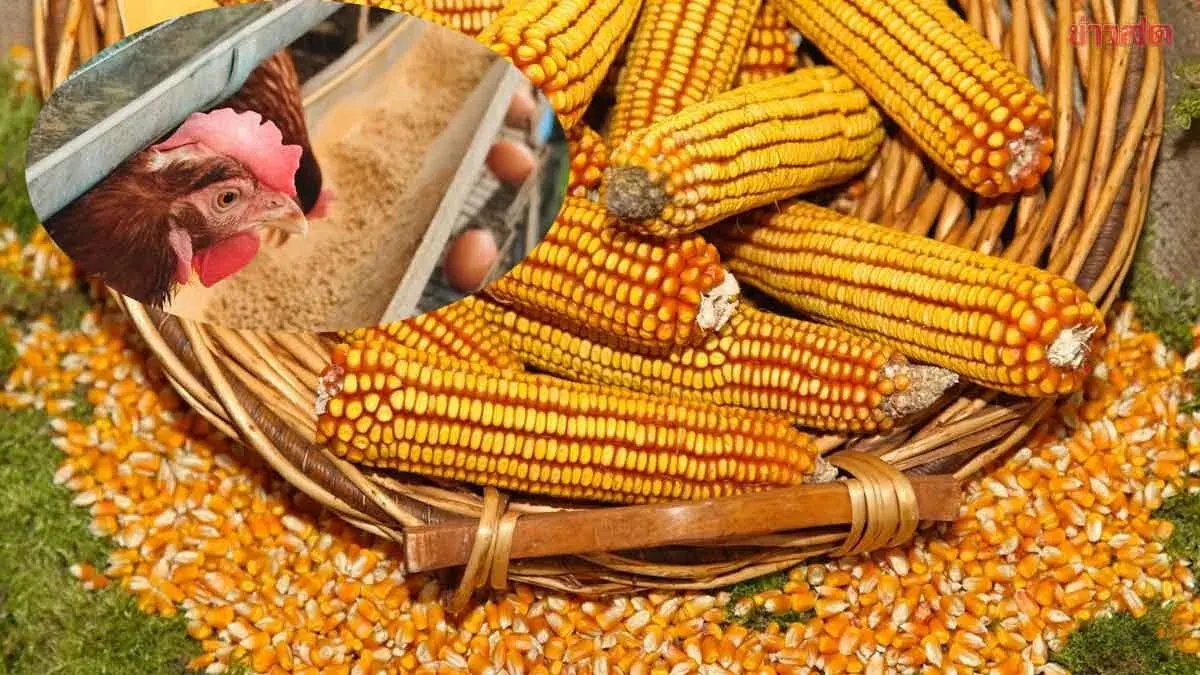
The MOU was signed on May 4 between the Thai Animal Feed Producers Association and the U.S. Grains & BioProducts Council to demonstrate cooperation in securing animal feed raw materials, particularly corn for livestock, which Thailand requires in high quantities but produces insufficiently.
"The signing involved representatives of only the two private organizations. No government agencies from Thailand or the United States participated as contract parties," Noprasil said.
He further explained that the MOU focuses on cooperation in sourcing raw materials to strengthen the country's animal feed security, with no trade obligations, no specified purchase volumes, and no requirement for Thailand to import the claimed amount of GMO corn. Neither organization conducts direct commercial transactions.
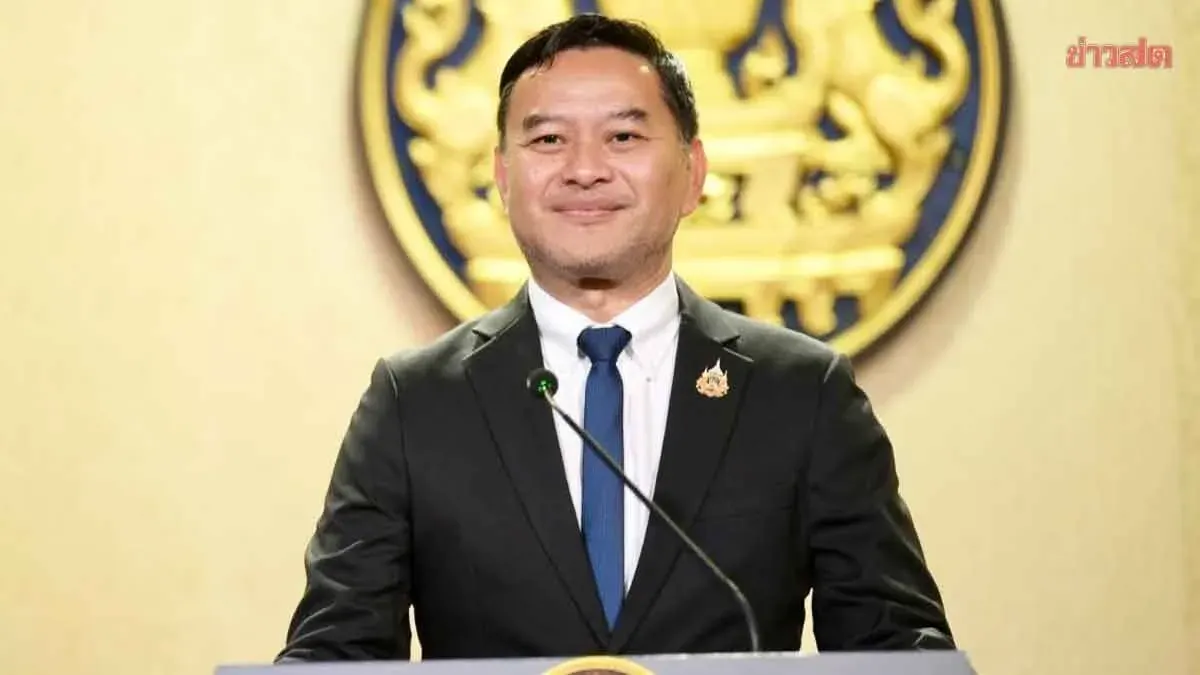
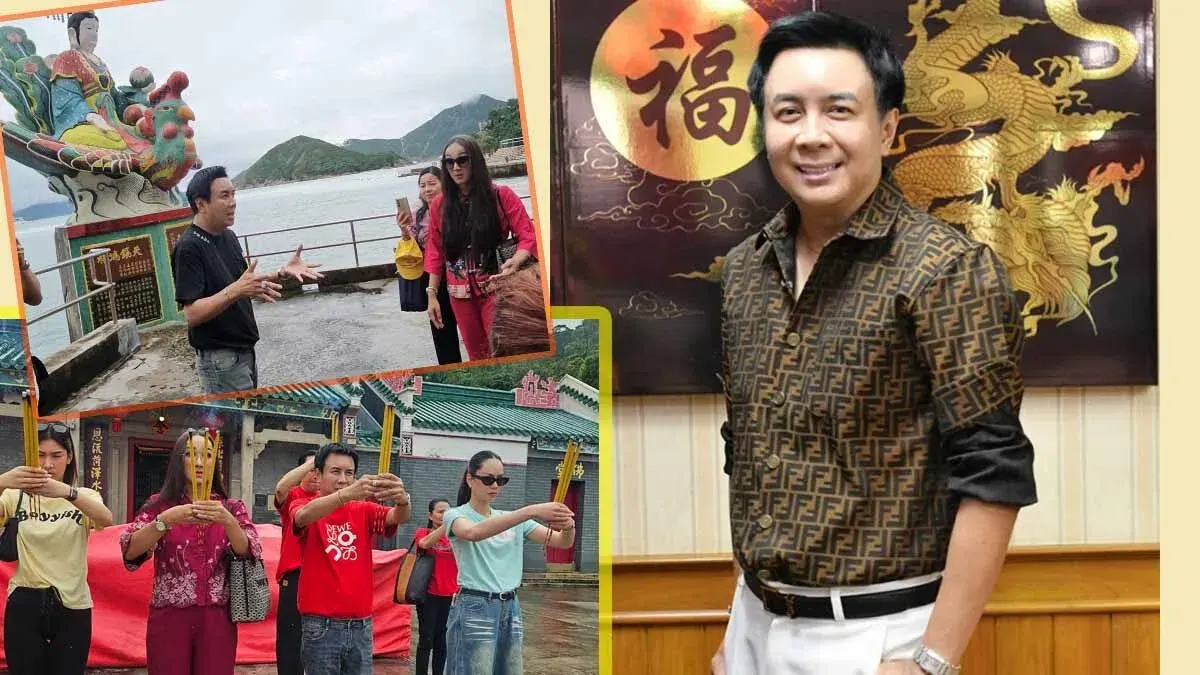
Regarding photos showing Thai government officials at the signing ceremony, Noprasil clarified that the event took place during Thai-US trade negotiations and talks. Thai government executives, including Sophchai Sudthammaphanit, attended only as witnesses to the activity, not as signatories or contract parties.
However, Thailand must import some animal feed raw materials to offset domestic shortages. Importing corn from the United States represents one industry option to supplement raw material security and may help reduce agricultural land burning, which contributes to PM2.5 dust and transboundary haze problems. It also supports Thai-US trade cooperation.
On GMO corn technology, Noprasil noted it has undergone scientific study and widespread use globally for more than 20 years. Multiple sectors currently propose that Thailand consider adopting the technology to improve domestic livestock corn production efficiency in the future.
The association aims to clarify facts and create public understanding that the MOU represents cooperation between private organizations, not a government signature, and contains no binding agreement to import the claimed quantity of GMO corn.