Thailand Promotes Low-Carbon Rice at WEF Meeting
Thailand promoted low‑carbon rice production at the World Economic Forum while hosting IMF and World Bank meetings, aiming to cut costs, raise farmer incomes sustainably, and boost global competitiveness. The strategy relies on technology, market demand, long‑term purchase agreements, and public‑private partnerships to transition the rice sector toward environmentally friendly practices.
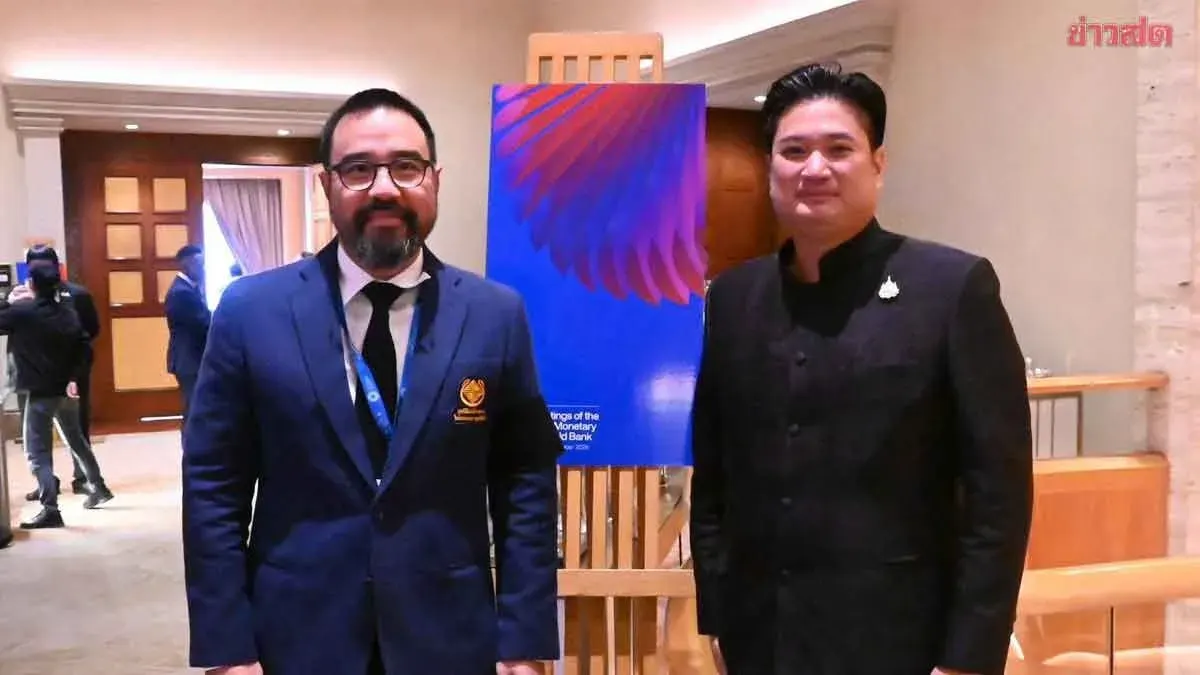
Thailand outlined its direction at the World Economic Forum, pushing Thai rice toward low-carbon production, aiming to cut costs, increase farmer incomes sustainably, connect to global markets, and boost competitiveness.
Raphiphat Chansriwong, Permanent Secretary of the Ministry of Agriculture and Cooperatives, assigned by the minister, opened the WEF roundtable on Thai rice, agriculture, and food, during Thailand's hosting of the annual IMF and World Bank Group meetings in 2026.
He emphasized Thailand's commitment to promote sustainable agriculture and accelerate the transition to low‑greenhouse‑gas food production amid climate change and rising production costs, while boosting productivity, food security, and farmers' incomes.
He said the ministry's direction focuses on raising productivity alongside food security nationally and internationally through the "Market‑Led, Innovation‑Supported, Income‑Increasing" strategy and comprehensive international market linkages, enabling high‑quality, safe, environmentally friendly Thai agricultural and rice products to compete sustainably in world markets while raising farmers' incomes and quality of life in the long term.
He added that rice is central to Thailand's culture, heritage, and economy; Thai jasmine rice is world‑renowned for its distinctive aroma and outstanding quality. Under the minister’s vision “Thai Rice 5 Fast Toward Low‑Carbon Rice: Cut Costs, Increase Income, Connect Global Markets,” the ministry aims to shift rice production to low‑carbon methods, cut costs, raise farmer income, and strengthen Thai rice competitiveness in world markets. This transition requires technology, clear market demand, long‑term purchase agreements, access to financing, and cooperation across the agricultural value chain.
Thailand also stresses public‑private partnerships (PPP) to turn policy into practice, with the government setting policy direction and creating an enabling environment, while the private sector and international organizations mobilize investment, create market opportunities, introduce technology and innovation, and support expansion of low‑carbon rice production.
Moreover, the First Movers Coalition for Food (FMC for Food), driven by the World Economic Forum, is a key mechanism linking global demand for low‑greenhouse‑gas agricultural production with actual farming. Thailand is ready to deepen cooperation with the World Economic Forum, FMC for Food members, and related partners to promote long‑term purchase agreements, develop traceability systems, and expand access to finance and technology, thereby delivering concrete results for the overall agriculture and food system.
"Thailand is committed to boosting the competitiveness of its agricultural sector while responding to climate change, and the shift to low‑carbon rice production must not stop at…"