Thailand Reshapes Military Into Nimble Fighting Force
Thailand is restructuring its military into a smaller, more agile force focused on efficiency and inter-service cooperation rather than size, adopting the Minimum Viable Defense 2036 strategy to address modern threats including cyber warfar
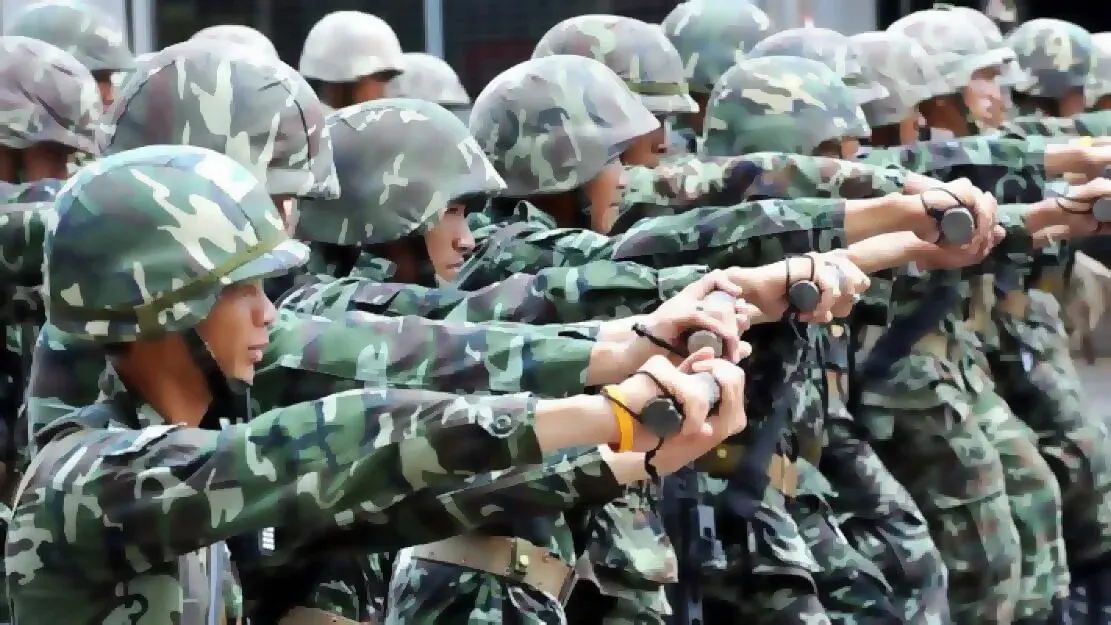
The Supreme Commander's characterization of Thailand as "a rooster in a tiger's den" may sound jarring, but it aptly captures today's global reality. The world no longer operates by post-WWII rules, but increasingly by power and self-interest. Modern warfare extends beyond guns and tanks into trade wars, technological competition, resource competition, energy, cyber systems, and information warfare. Ordinary people may live normal lives, but the world is waging war in a different form. When threats evolve, outdated thinking fails. The Minimum Viable Defense 2036 strategy is compelling because it doesn't aim to build the largest military, but rather a military that is "right-sized, efficient, agile, and combat-ready"—using resources wisely and prepared for both traditional and new forms of conflict. The key is achieving genuine inter-service cooperation, rather than each branch working independently as before. Technology, automation, drones, and artificial intelligence will enhance capabilities while driving the defense industry to boost long-term self-reliance. This reform isn't simply about acquiring new weapons and equipment—it's about changing how we think, restructuring organizations, and transforming work culture, since modern warfare no longer permits fragmented operations. Another compelling element is embracing "imagination" in strategy development. Building the military of the future requires data, creativity, and adaptability rather than clinging to old doctrine. What matters isn't the strategy's name or new structures like the Joint Capability Command, or JCC, but rather leaders' mindset that no model is the final answer—everything is merely a starting point: experiment, learn, and continuously improve. Military reform to create a "fighting rooster" demands endless learning, adaptation, and development.