Thailand Says Cambodia Using Temple as Military Base
Thailand accuses Cambodia of using the UNESCO-protected Preah Vihear temple as a military base, presenting aerial photos and weapons evidence and calling for neutral international verification of the allegation.
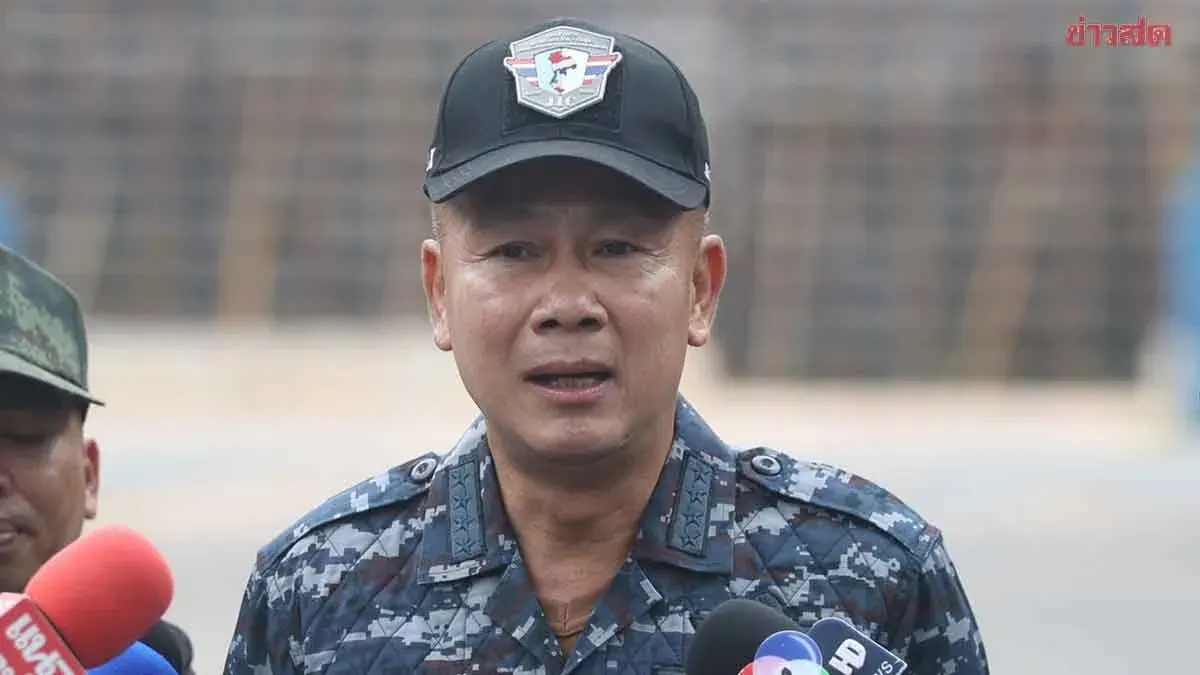
On September 12, Air Vice-Marshal Praphas Saonjaidi, Deputy Commander of the Royal Thai Air Force and director of the Thai-Cambodian Situation Information Center (JIC), presented evidence that Cambodian military forces are using Preah Vihear temple as a military base. Thailand argues that using a UNESCO World Heritage site for military purposes violates international law. Thailand provided aerial photos, coordinates, and images of weapons including anti-tank RPGs, small arms, and air-defense positions in the area, requesting neutral verification rather than judgment based on either side's claims alone.
The JIC director stated that Thailand has information about military activities at the site and allegations that weapons were fired from there at Thai forces. Thailand is prepared to present coordinates, timing, photos, and supporting evidence for factual review. When asked if Cambodian military use automatically strips the temple of protection, the director said such a conclusion would be premature, as international law is more detailed and stringent. The 1954 Hague Convention requires parties to avoid using cultural property and nearby areas in ways that risk destruction or damage from combat.
Regarding Thailand's right to respond if fired upon from the temple, the director said this must be assessed based on facts and applicable law at the time, not simply because military personnel and weapons are present. Protection of cultural property requires considering whether the site has become a military objective, if alternatives exist, and whether all feasible measures are taken to minimize cultural damage, principles outlined in the 1999 Second Protocol regarding military necessity and attack precautions.
When asked who bears responsibility for temple damage, the director emphasized the need for a full timeline showing who brought forces and weapons in, who used them, from what position, when, and what the responding side targeted. Responsibility cannot be fairly assessed by examining only the damage. Thailand's key message to the international community is that World Heritage sites must remain areas of peace, not instruments of war. All parties share the duty to avoid using cultural property for military advantage and not to attack it without legal justification. Thailand seeks only equal standards for all sides: fact-checking, protection of life, and protection of human heritage.