Thailand Shelves Landmark Bridge Project Over Economic, Environmental Concerns
Thailand has scrapped its ambitious Landbridge infrastructure project after a government committee found it economically unviable and environmentally risky, with shipping lines unlikely to use the route despite global trade disruptions. The
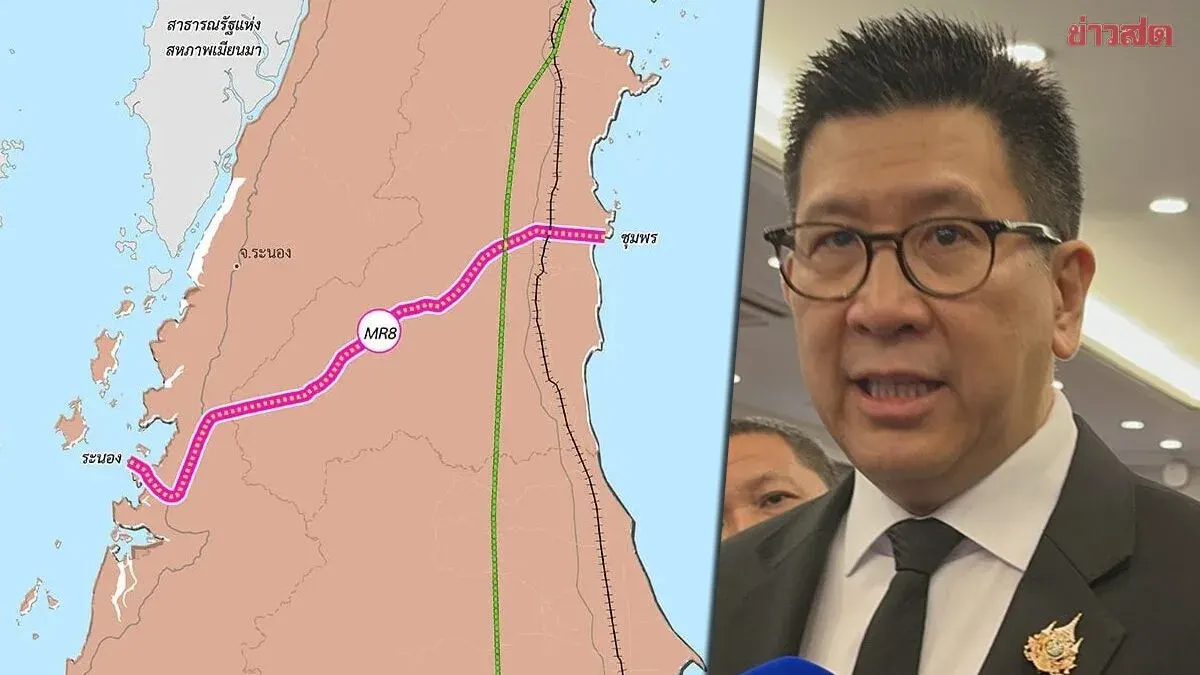
At 4 p.m. on July 24, 2025, Deputy Prime Minister and Finance Minister Ekniti Nitivattanapong announced the findings of a committee studying the Landbridge project—a major infrastructure initiative designed to connect transport between the Gulf of Thailand and the Andaman Sea. The study, completed ahead of its 90-day deadline, was conducted by three separate working groups examining economic feasibility and investment potential, environmental impacts, and public consultation and stakeholder engagement.
Ekniti stated that the committee's conclusion was that the Landbridge project has low business viability and poses substantial budget and risk impacts. Global trade disruptions from Middle East tensions could turn projected positive returns negative, creating significant economic risk. Additionally, shipping lines are unlikely to shift operations to Thailand because major carriers already have established alliances. Management risks also include slow cargo movement logistics, resulting in low economic returns and overall high risk.
On environmental concerns, Ekniti noted the risks are considerable and require greater strategic oversight. Integration of environmental protections remains incomplete, failing to adequately address marine ecosystems, coastal community livelihoods, food security, and forest preservation. Public feedback was divided: private sector and manufacturing interests supported the project, while environmental and marine conservation groups opposed it, with most stakeholders expressing concern and indecision.
The committee concluded that while the project has low business potential and high environmental risk with ongoing public disagreement, private sector demand for a Andaman-side port access remains. The government will instead pursue development of Ranong Port to its full potential, explore railway connections to Ranong, and consider "missing link" rail infrastructure connecting northward to China and eastward ports.
On large-scale investment projects generally, the committee recommended that each country's strategic objectives be clarified before agencies conduct feasibility studies—treating this as a lesson for the future and emphasizing that environmental strategy and public consultation must be integrated from the start.
When asked if this constituted shelving the Landbridge project, Ekniti said: "You could say that." The deputy prime minister did not clarify whether cabinet approval of the study findings would be sought.