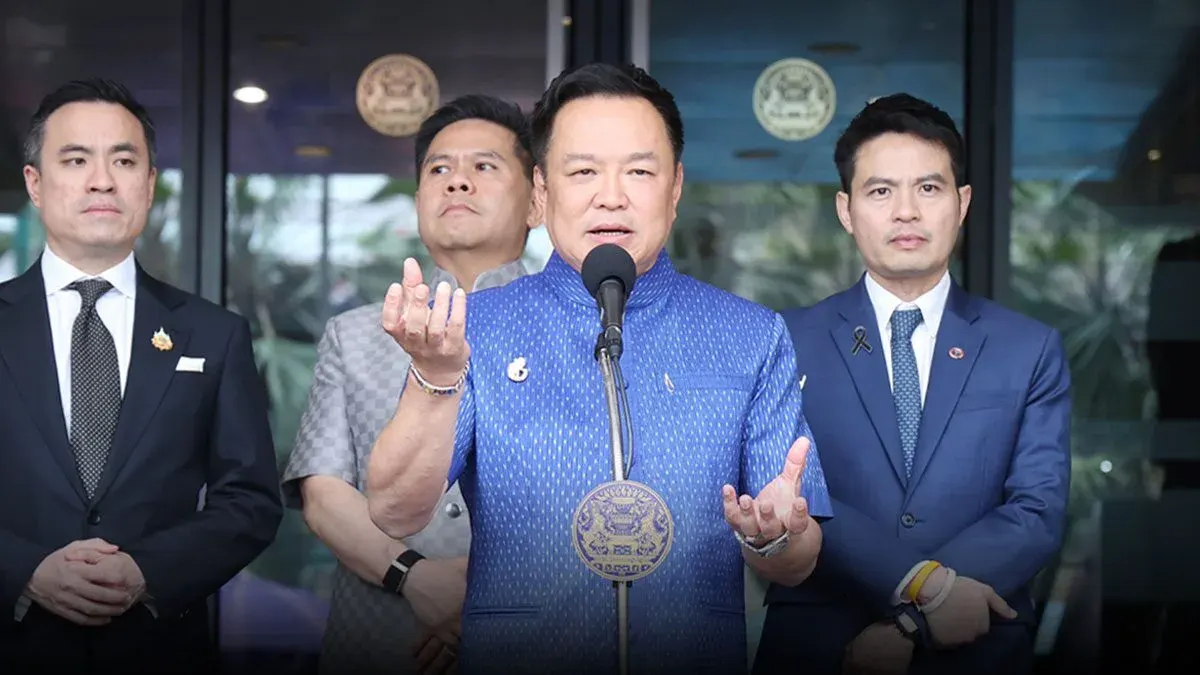
Thailand to Tighten Steel Standards, Target Induction Furnaces
Thailand will tighten steel standards through public consultation starting August 17, with stricter scrutiny on induction furnaces used in construction rebar due to quality control concerns and higher failure rates.
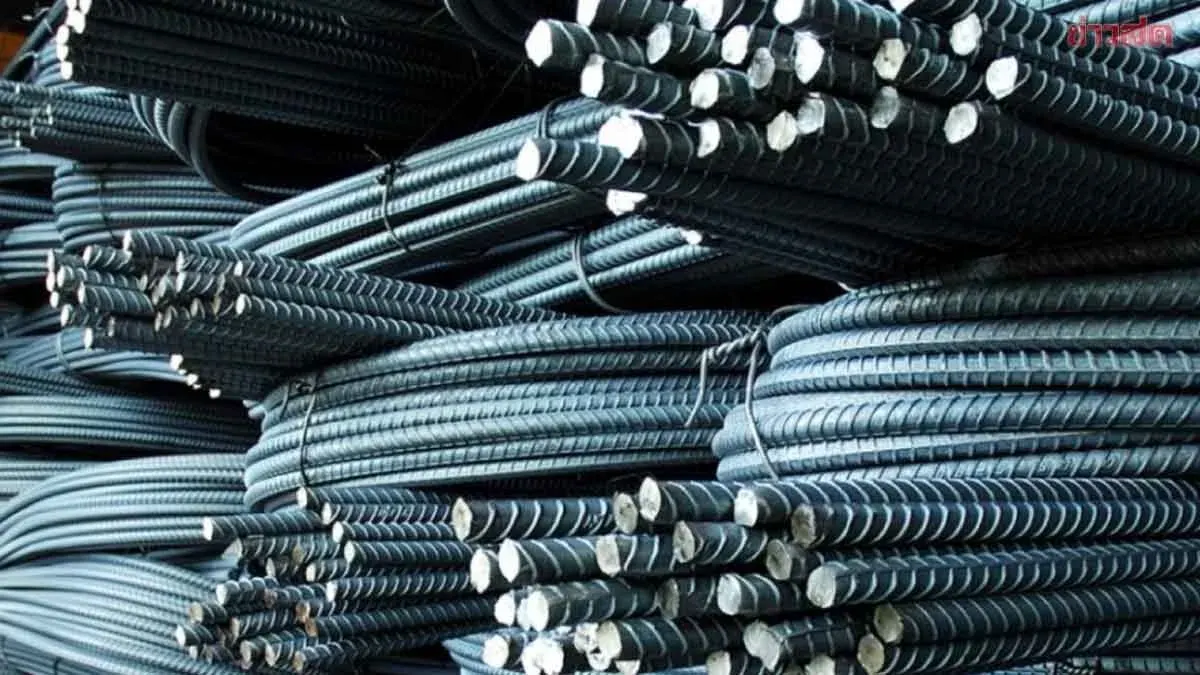
The Industrial Product Standards Committee will open a public consultation on August 17 to review proposed new steel standards and strengthen construction material safety. The committee has voted to revise steel standards, especially rebar used in building structures, with particular scrutiny on induction furnace production due to quality control limitations.
Following approvals on June 23 and July 21, the committee has tasked the Industrial Product Standards Office to refine the draft standard and conduct public hearings before finalizing the new Thai Standard 24-25xx.
The core aim is to strengthen steel standards for effective quality and safety control, particularly for rebar used in critical structural components like columns and beams that directly affect building integrity. Induction furnaces face a key limitation: their melting process combines multiple raw materials, making composition control and contaminant removal difficult. Poor process control can result in substandard steel properties that compromise structural strength and safety.
Random inspection data shows steel from induction furnaces has a higher failure rate than other furnace types, highlighting the need for strict production and quality controls from the outset. Artwich Suwannaphakdi noted that when production technology has limitations and inspection capacity is insufficient, raising standards becomes essential to manage risk. The Industry Ministry's steel standards inspection team has only five staff, severely limiting factory oversight coverage.
This standard revision is not merely an industrial requirement but a public safety measure, especially for steel used in building structures where quality failures can have wide-reaching impacts on lives and property. August 17 marks the public hearing phase; the new standard is not yet mandatory. The Standards Office will compile feedback, assess regulatory impact, and submit findings to the committee before the standard advances through regulatory and royal gazette procedures.