Thailand Urged to Build Intergenerational Harmony for Aging Society
Thailand must shift from demographic anxiety to "demographic literacy" as it faces rapid aging and falling birth rates, with experts calling for youth empowerment, family support systems, and rights-based policies to address economic uncert
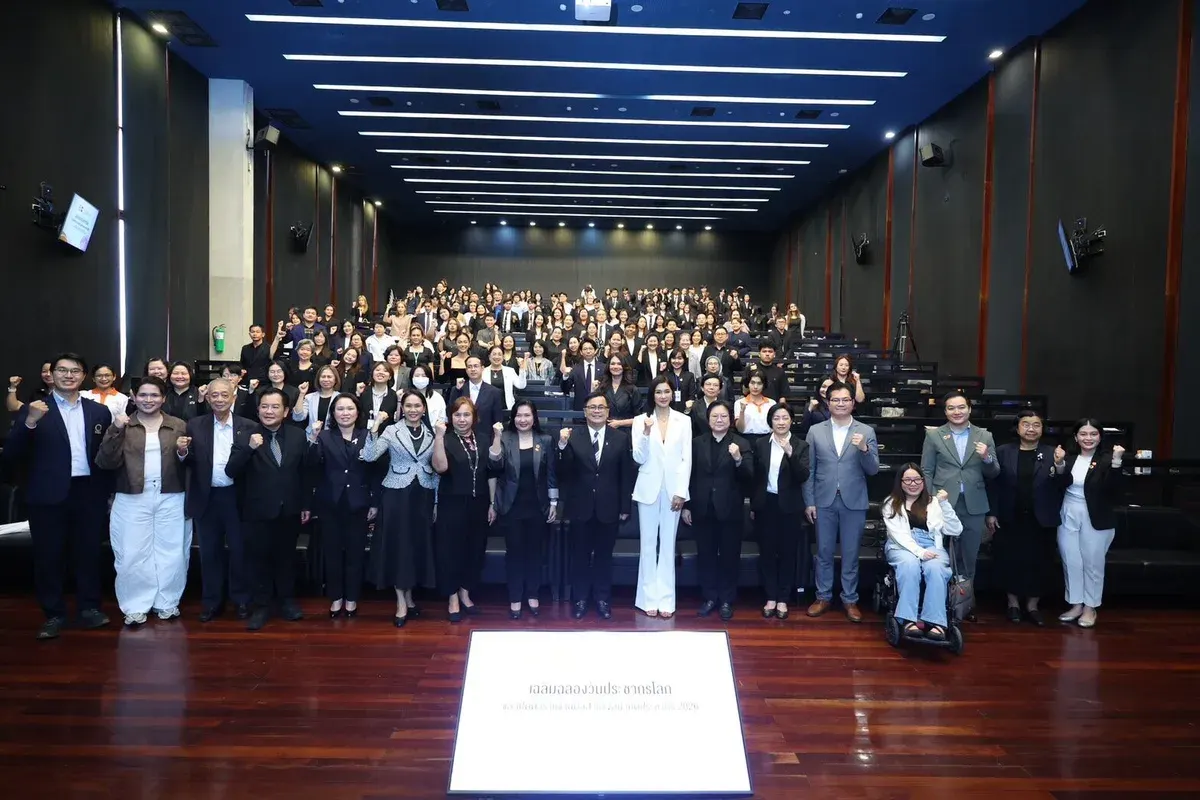
Bangkok, July 16, 2025 – As Thailand faces its most challenging demographic transition, the United Nations Population Fund (UNFPA) Thailand and Chulalongkorn University organized a World Population Day 2025 event to promote a new population agenda grounded not merely in demographic statistics, but in hope, rights, choices, and human dignity across all age groups.
The event, held under the theme "Fulfilling Youth's Hope and Dreams for Today and Tomorrow: Empowering All Ages for a Sustainable Thai Future Amid Demographic Change," took place at Chulalongkorn University's Chulalongkorn 60th Anniversary Building. Participants from government, academia, youth networks, civil society, the private sector, UN agencies, media, and influencers exchanged views on Thailand's demographic future.
Thailand's population landscape is changing rapidly as the nation enters a super-aged society, with fertility rates falling below replacement level to below 1.0. Young people face economic uncertainty, rising living costs, job insecurity, housing concerns, unequal family care responsibilities, and shifting expectations about relationships and family life. These factors challenge the economy, labor market, care systems, and quality of life for people of all ages, highlighting the need for demographic preparedness grounded in rights, choices, and human dignity.
Dr. Julitta Onabanjo, UNFPA Country Director for Thailand and UNFPA Representative for Malaysia, emphasized in a video address at the World Population Day celebration and launch of the 2025 Population Future Survey that Thailand must shift from "demographic anxiety" to leveraging "demographic literacy and capacity." She called for evidence-based policymaking to prepare for demographic change, proposing four key actions: investing in youth decision-making and wellbeing; strengthening comprehensive family support systems and reducing women's burden; bridging age gaps; and driving policies that protect rights and choices, promote equality, and span the entire life course.
Ms. Siriluck Chiang-Wong, Head of UNFPA Thailand, stated: "Demographic change is not just about statistics—it is about hope, dignity, and opportunity. Thailand's falling birth rate and aging society should not be discussed only in numbers of newborns. Behind these trends are real lives of young people deciding their education, careers, relationships, family formation, and futures amid economic uncertainty and social change. Many young people still aspire to good-quality jobs, meaningful relationships, and the chance to build their families and contribute to society."