Thailand Must Urgently Reform Elderly Welfare System
More than 74 percent of Thai elderly say the state welfare system is insufficient and unprepared for the country's aging society, urging the government to urgently reform services with better access to healthcare, home care, and simplified
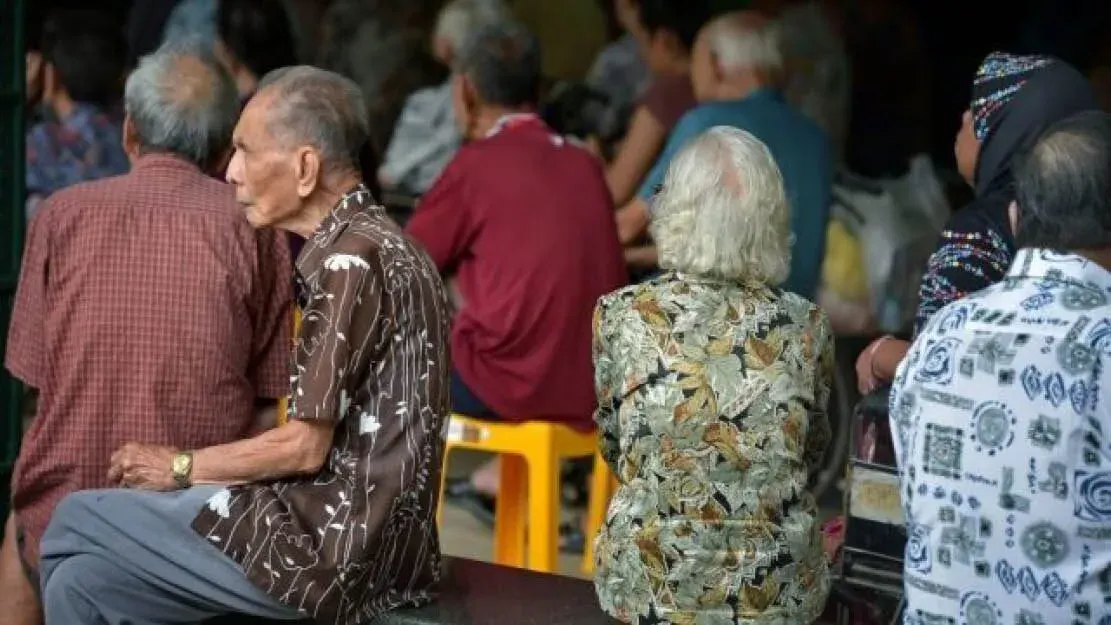
A recent Suan Dusit Poll survey on elderly citizens and state welfare has revealed a troubling picture, with the majority of older Thais agreeing that the country is unprepared for an aging society. More than 74 percent believe state welfare is insufficient, and nearly 63 percent lack confidence that the welfare system can handle the growing elderly population. The survey signals an urgent call to government and relevant agencies to take action seriously, as Thailand has fully entered an aging society phase. If the welfare system remains outdated and fails to address the real-life needs of most elderly citizens, the resulting problems will have wide-ranging impacts on seniors, families, and the nation's long-term economic burden. Notably, elderly citizens are not merely demanding increased financial assistance; what they need most is convenient access to state services that accommodate age-related limitations—including local support staff, home-based services, targeted outreach, and simplified procedures. Many seniors lack genuine access to their own entitlements. The elderly also prioritize basic security essentials for living, including age-appropriate financial support, quality healthcare, and systematic long-term care, rather than ad-hoc emergency measures. Good welfare is not simply handing out money occasionally; it must build security across all life dimensions: health, income, housing, and care when dependent. An aging society is everyone's future concern, since all people will eventually grow old. Welfare investment is therefore not a budget burden but an investment in quality of life, reducing inequality, and strengthening social stability long-term. The government should use these survey findings as a guide to urgently reform the elderly welfare system to support the rapidly expanding aging population, designing welfare systems tailored to different elderly groups so all can access their rights equally, conveniently, and with dignity. The government must recognize that this should not be a temporary vote-catching policy followed by neglect, which would burden the country and citizens more than genuine and sustainable assistance.