Thailand Warned to Prepare for Worsening Natural Disasters
The user wants a short summary (1-2 sentences, 120-220 characters, max 240) of the provided article. The article is about Thailand being warned to prepare for worsening natural disasters, with details on fire, flood, storm, and landslide pr
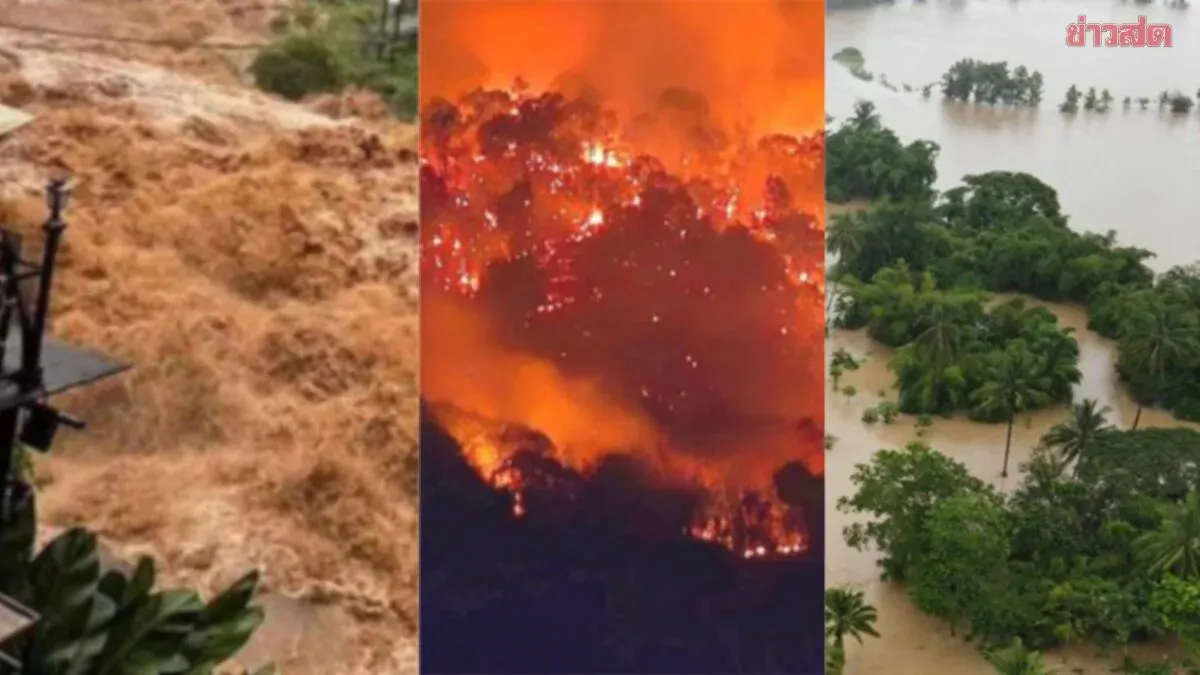
The world faces extreme changes as multiple nations develop contingency plans for emergencies. Thailand cannot afford to ignore the crisis driven by relentless resource consumption and development at nature's expense. This year has shown unprecedented disaster severity — wildfires, floods, severe storms, and sudden landslides — while government and private aid often arrives too late. Self-preparedness may now be the best defense.
Disaster Response Methods
Fire Hazards Fire causes external injuries, but smoke and toxic gases cause internal damage — the leading cause of fire deaths. Before an incident: install smoke detectors, keep fire extinguishers ready, memorize escape routes, and regularly inspect wiring and appliances. If caught in a fire: stay calm, assess the situation, and call 199 immediately. Stay low since smoke rises. Cover nose and mouth with a wet cloth to filter smoke, soot, and dust. Check door handles for heat; if hot, fire may be behind the door. If trapped, close doors to block smoke and signal for help from a window or balcony.
Flood Hazards Floods occur yearly from heavy rain, overflowing waterways, or flash floods. Constant preparation is essential: check if your home is in a risk zone, store important documents in waterproof bags, stockpile at least seven days of food, and designate elevated areas for belongings. When flooding hits: plan family meeting points, avoid electrical hazards by cutting power before water rises, monitor weather and seasonal alerts continuously, and evacuate immediately if ordered.
Storms and Severe Winds Thailand's tropical climate fuels intense thunderstorms year-round, now escalating into "summer storms" with gusts, lightning, heavy rain, and hail. Monitor forecasts constantly. Secure roofs, doors, and windows. Anchor loose objects to prevent windborne hazards. During a storm: shelter in a sturdy building, seal doors and windows, stay away from glass, avoid large trees, power poles, and billboards. During lightning, avoid open areas and water sources.
Landslides and Debris Flows Soil and rock masses move continuously. Landslides often follow debris flows triggered by prolonged severe storms or earthquakes, posing lethal danger.