Thaksin Seeks Pardon Under Reconciliation Law, Lawyer Defends Move
Former Thai Prime Minister Thaksin Shinawatra has filed a request for amnesty under the National Reconciliation Promotion Act, arguing he is a victim of politically motivated charges. His lawyer, Winyat Chainontree, defended the move, accusing critics who benefit from the law of blocking Thaksin’s benefit while claiming legal exceptions. The petition, submitted on October 14, 2026, asks the National Reconciliation Promotion Committee to grant him full pardon and exemption from liability.

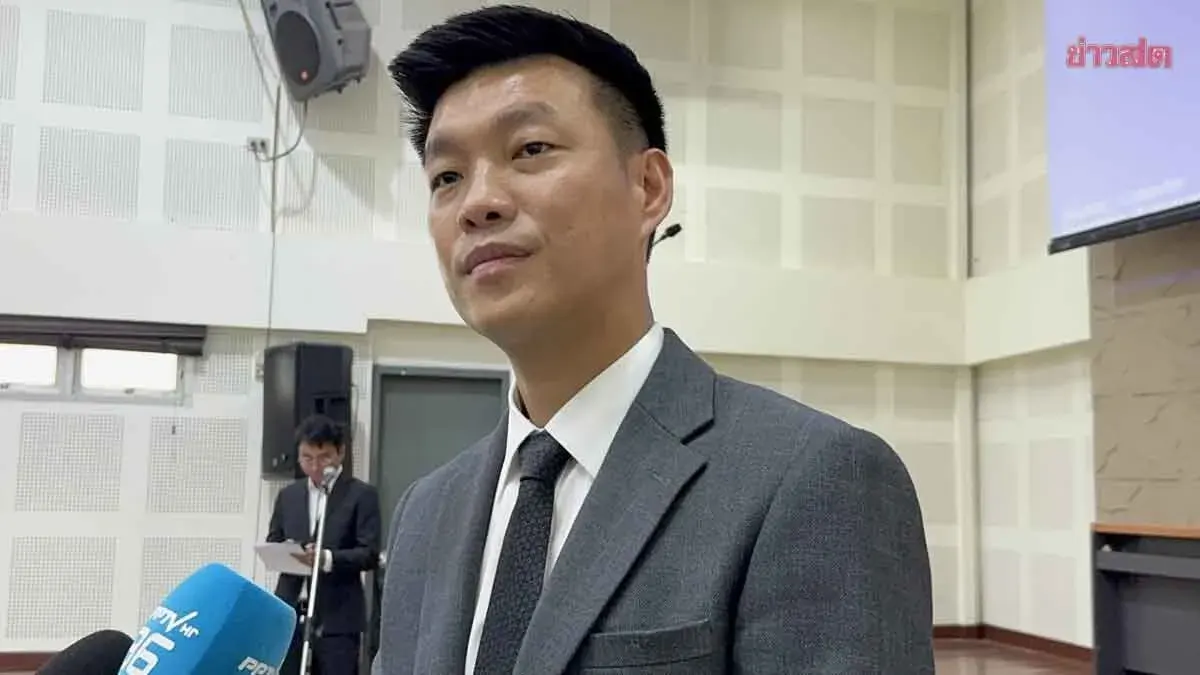
On October 14, 2026, former Prime Minister Thaksin Shinawatra authorized his lawyer to submit a petition to the National Reconciliation Promotion Committee through the Joint Service Center of the Office of the Prime Minister’s Permanent Secretariat, addressed to the committee’s chair, requesting a determination of his right to amnesty and full exemption from liability under the National Reconciliation Promotion Act of 2025. His personal lawyer, Winyat Chainontree, explained that the law’s purpose is to resolve the country’s political conflicts stemming from past events, which have caused damage for over a decade. He said Thaksin is among those affected by politically motivated actions; his policies, presented to parliament as per his election platform, represented his role as a people’s representative, yet they provoked conflict that led to the coup. Regarding those who oppose or block the amnesty, citing legal provisions and case outcomes—including corruption allegations—Winyat said it is their right to express an opinion, just as Thaksin has the right to seek amnesty. However, he observed that the habitual opponents are those who have committed violations under the law and benefited from the Act, yet they claim they do not want Thaksin to gain the benefit. He reminded listeners that the accusations leveled against Thaksin are products of the coup, when any charge—whether for corruption or misconduct, or for amending laws—could be invented to punish him. Winyat argued that these outcomes stem from the abuse of power and biased interpretation, likening the situation to the ‘poisonous tree’ theory Thaksin often cited: the fruit of a poisonous tree is tainted, and if the tree is political motivation, the fruit cannot be viewed otherwise. He said those who criticize or block the amnesty have themselves benefited from the law despite not being victims of the poisonous tree, yet they deny Thaksin the same benefit, which perpetuates conflict without even engaging in dialogue. Winyat affirmed that filing the petition is an exercise of rights, leaving the decision to the committee’s discretion and interpretation, and urged members to judge with fairness and humanity, warning that restricting some people’s rights merely revives factionalism. He stressed that Thaksin is not seeking the amnesty for political gain or to hold office; at his advanced age, he wishes to live a normal life after years of being targeted by politics, and he asks the committee to consider past events, look to the future, examine facts and the law with a broad interpretation, and avoid relying on superficial slogans like ‘corrupt’ or ‘cheat’. He added that the committee should weigh the political impact of policies and public administration, and consider the spirit of the law, whose very name—National Reconciliation Promotion—calls for unity.