Opposition Leader Queries Rapid Thai PBS Audit, Calls Government Targeting
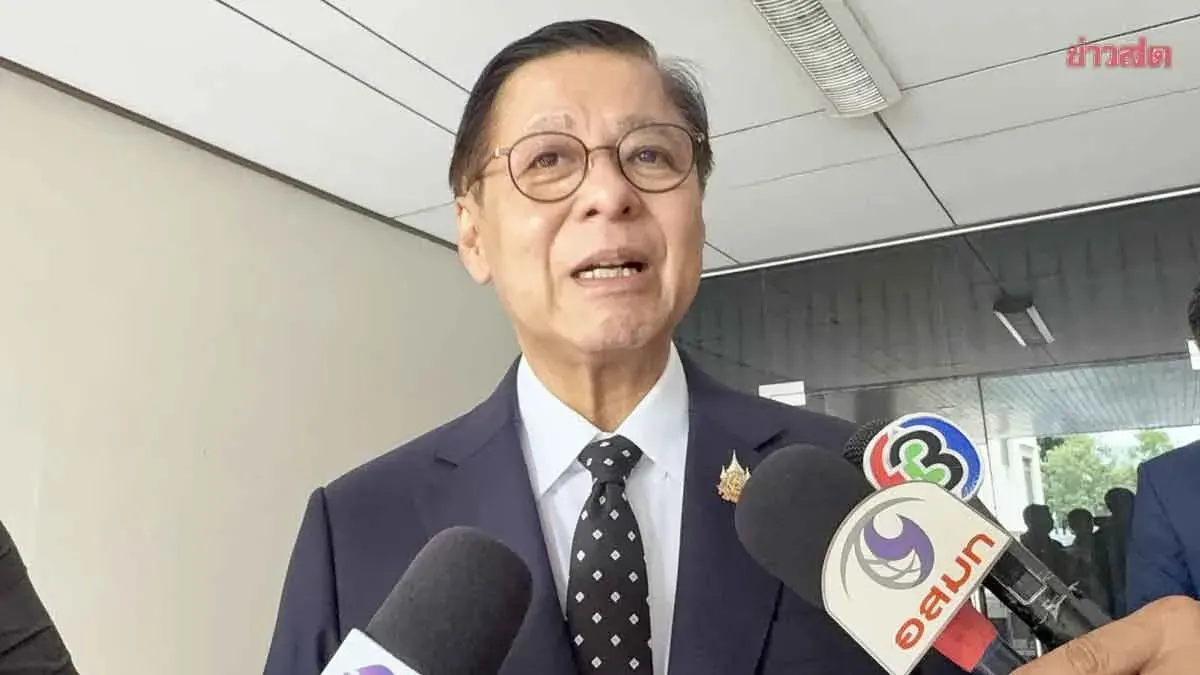
Opposition leader Nattapong Ruangpanyawut criticised the State Audit Office's unusually swift audit of Thai PBS's finances, suggesting it may be politically motivated. Speaking at the 14 October memorial, he stressed the need to safeguard media independence and pledged to use parliamentary powers to protect public broadcasting. He also called for consistent auditing practices and warned against using financial oversight to curb media freedom.
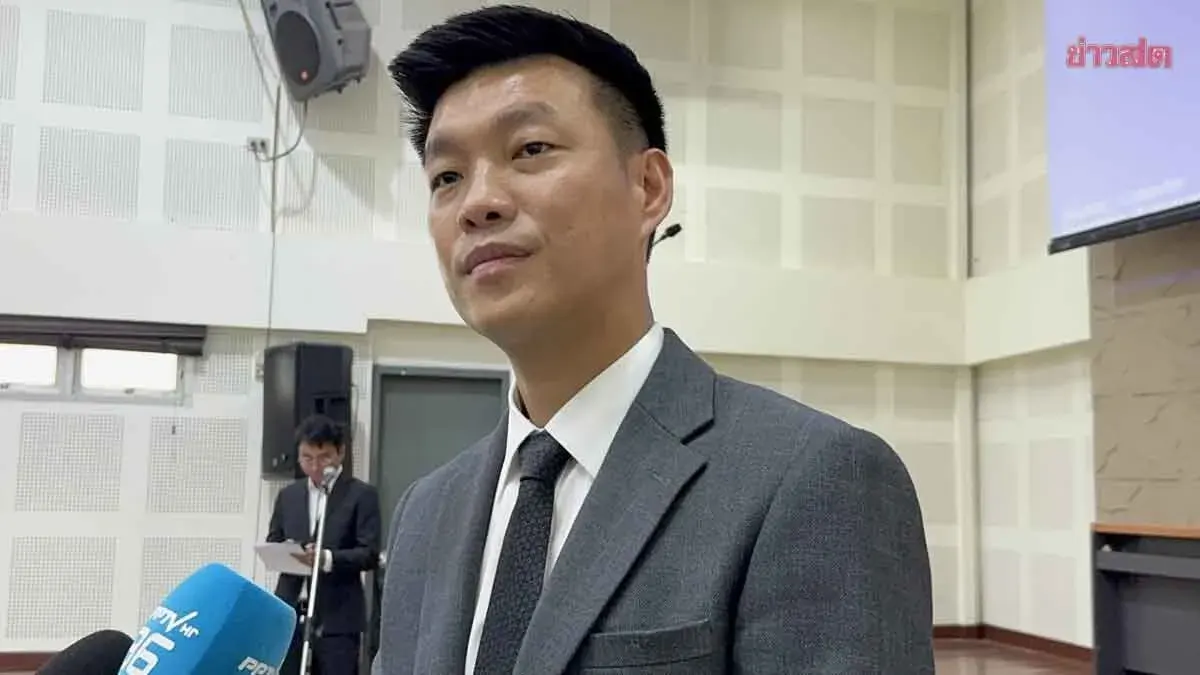
Nattapong Ruangpanyawut said democracy is not limited to having a constitution or holding elections; it also requires safeguarding freedom of expression and media freedom. He noted the ongoing debate over the State Audit Office's audit of Thai PBS's budget and stressed the need to guarantee media a space for independent opinions. When asked about the State Audit Office preparing a press release and being compared to the building collapse case—where the audit was slow—he urged all relevant agencies, especially the State Audit Office, to apply consistent auditing standards and not select cases based on preference.
Regarding the Thai PBS and State Audit Office matter, he said society is questioning whether the audit is a targeted move, pointing out many other cases the State Audit Office should investigate but has not yet acted on or issued statements about. Responding to Suppachai Jaisamut of the Bhumjaithai Party, who called for an opposition committee to examine Thai PBS transparency, Nattapong said the top priority now is ensuring guarantees for public media to operate freely in Thai society.
He warned that legislation proposed by the Bhumjaithai Party has raised concerns domestically and attracted attention from international organizations expressing worry. As leader of the People's Party, he affirmed readiness to use all parliamentary powers to protect the space and independence of public media.
On how the People's Party will proceed to maintain public media, he explained the proposed legislation consists of four bills linked to four funds, each needing separate consideration. For Thai PBS, the key is granting it a degree of financial independence so it can choose its topics without being controlled by broad financial‑discipline rules.
Concerning allegations about spending on hiring, such as host fees, he said debates over programme content or host details are unnecessary; the focus should be on underlying principles. The immediate goal is to secure a place for public media in Thai society and allow Thai PBS to operate independently, with financial independence being a vital component.
When asked whether he views the issue as a political game, Nattapong replied that it is not merely a game but a matter of defending media independence and ensuring checks and balances are applied fairly.