Tooth Extraction Leads to Severe Sinus Infection in 20-Year-Old
A 20-year-old developed a severe sinus infection after wisdom tooth extraction, caused by an abnormal connection between his mouth and sinus cavity that allowed bacteria to enter. Endoscopic surgery to drain the infected sinus and restore p
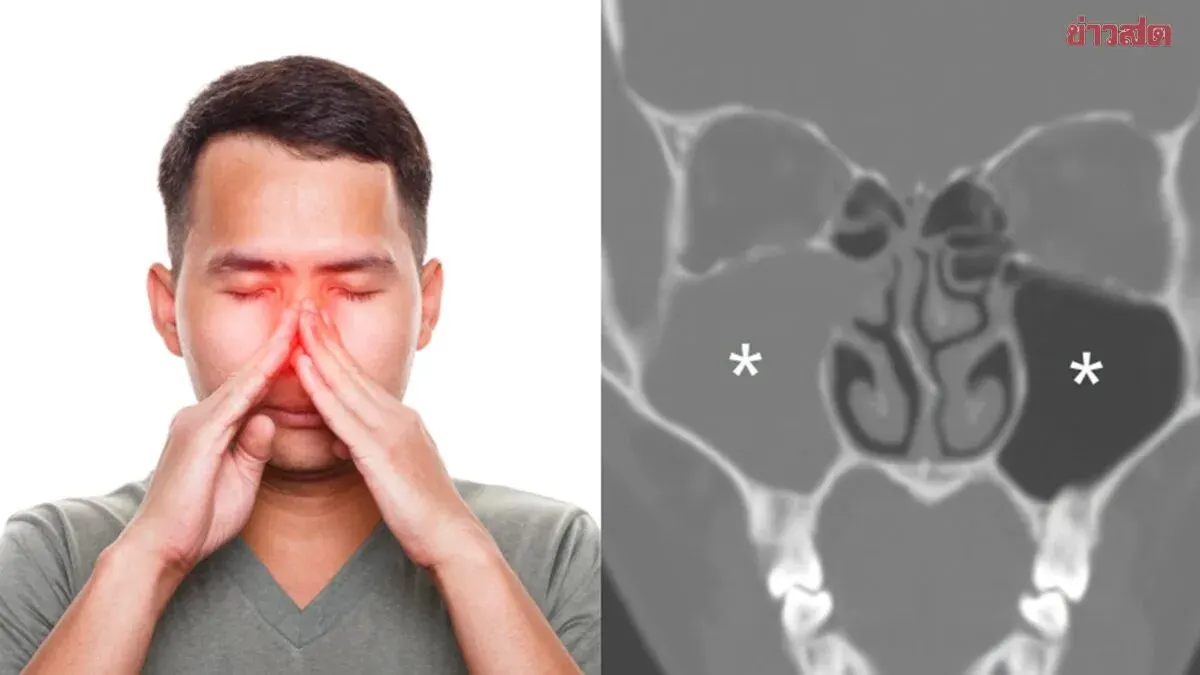
A man in his twenties developed severe nasal congestion about a week after having his upper right wisdom tooth extracted. He experienced continuous yellow nasal discharge mixed with fluid and persistent abnormal odors from inside his nose.
ENT specialist Dr. Chen Shih-Szu evaluated the patient and found fluid draining continuously from the right sinus opening during endoscopy. Even after bacterial culture and medication, symptoms did not improve noticeably. Subsequent endoscopy and CT imaging revealed the right maxillary sinus completely filled with fluid, along with bone defects in the sinus floor at the extraction site.
After a dentist confirmed the extraction wound had healed properly and ruled out remaining infection, Dr. Chen performed Functional Endoscopic Sinus Surgery (FESS). During the procedure, he enlarged the blocked sinus opening through the nasal cavity, then drained and cleaned the accumulated fluid. This restored normal sinus drainage and ventilation.
Why can tooth extraction cause sinus fluid and odor?
Dr. Chen explained that the roots of upper teeth sit very close to the floor of the maxillary sinus. In some people, tooth roots may press directly against the sinus floor or even protrude into it. During upper molar or wisdom tooth extraction, an opening can form connecting the mouth to the sinus—a condition called oroantral communication.
Small openings may close naturally, but if one fails to seal and becomes a persistent connection, or oroantral fistula, bacteria from the mouth can enter the sinus and cause odontogenic sinusitis.
Dr. Chen emphasized that bone defects visible on CT scans do not always indicate a remaining fistula; dental and oral examination is needed to confirm.
Dr. Chen warned that odontogenic sinusitis has two main causes: direct dental disease such as tooth decay, gum disease, or root tip infection, and complications following dental treatment like extraction, implant placement, or sinus floor elevation. A key feature is one-sided symptoms. Anyone who has received upper tooth treatment and then develops one-sided nasal congestion, yellow nasal discharge with fluid, or persistent unusual odors should seek prompt medical evaluation.