Twelve Black-Chin Catfish Found in Lam Pao Dam
Twelve black-chin catfish have been captured in Lam Pao Dam in Kalasin, with authorities launching removal operations and urging fishermen to help contain the invasive species before it spreads to nearby shrimp ponds.
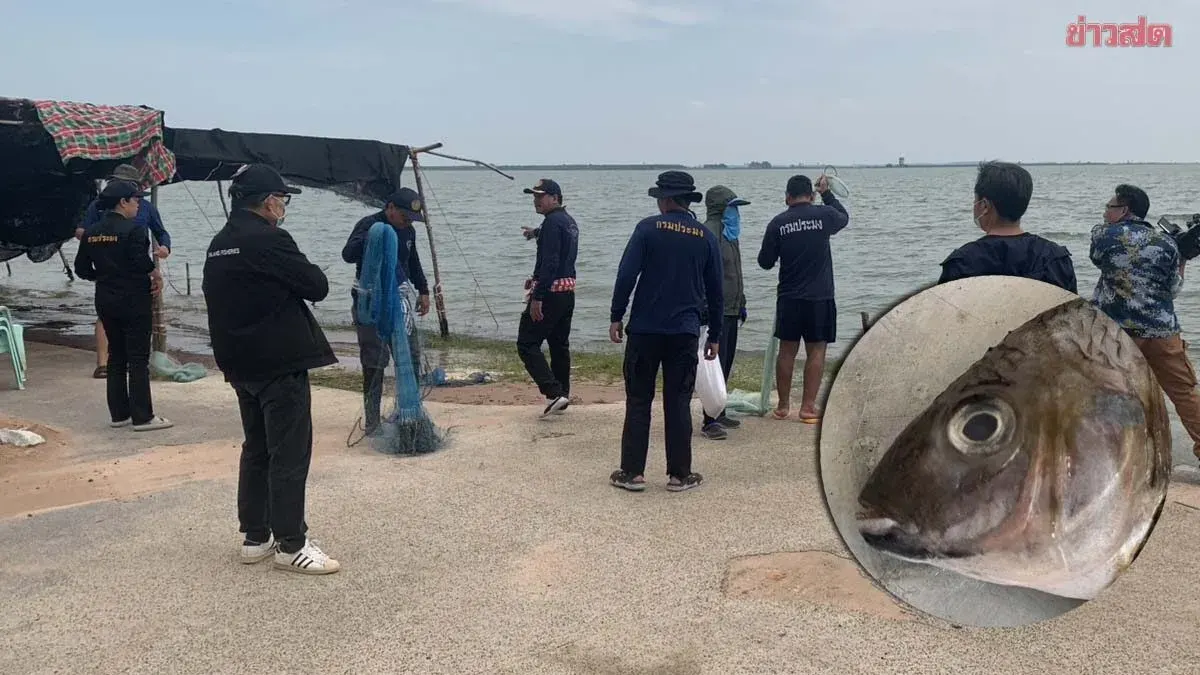
Twelve black-chin catfish have now been found in Lam Pao Dam, with the Kalasin Provincial Fisheries Office reporting that local fishermen caught two additional specimens, bringing the total to 12. Bunyathong Phaojaroen, head of Kalasin Provincial Fisheries, said that Yuttitham, the fisherman who first caught these fish, reported the new captures. The fish continue to be spotted in the same location along the riverbank in Nong Suang Subdistrict, allowing authorities to contain the area. Officials are urging cooperation from local fishermen to capture as many fish as possible, with daily monitoring and public awareness efforts underway.
Sirani Ngoyjantsri, director of freshwater fisheries research and development, stated that the situation at Lam Pao Dam remains controllable. Emergency disaster relief criteria will only be triggered if fish density reaches 10 or more per 100 square meters. Monthly assessments will be conducted. The reservoir's depth makes control and removal easier than in brackish water or mangrove areas where aquatic animals can hide. Surveys show black-chin catfish tend to congregate near aquaculture processing areas with high organic matter, which provides abundant food.
Removal operations will be conducted during early dawn hours when fish surface to breathe, allowing staff to intercept them before they escape into shrimp ponds. The public is asked to report sightings immediately. Officials confirmed that black-chin catfish are non-toxic invasive species with high protein value comparable to tilapia and can be eaten or processed into dishes such as fish sauce or curry. Though the fiscal year is ending, the Department of Fisheries has prepared contingency plans and new budget allocation arriving in October, with long-term management strategies included in the 2025 budget. Staff will continue vigilant monitoring.
Beyond eradication efforts, the Department of Fisheries is educating shrimp farmers on prevention. Provincial fisheries offices have been instructed to recommend farmers install water filtration systems before pond intake to prevent fish larvae from escaping. Currently, it remains unclear whether the fish have spread beyond the dam area.