Udon Thani World Expo Promises Growth Amid Transparency Concerns
Udon Thani's 2026 World Horticultural Expo promises 20 billion baht in economic value but faces scrutiny over a 338 million baht PR budget, post-event
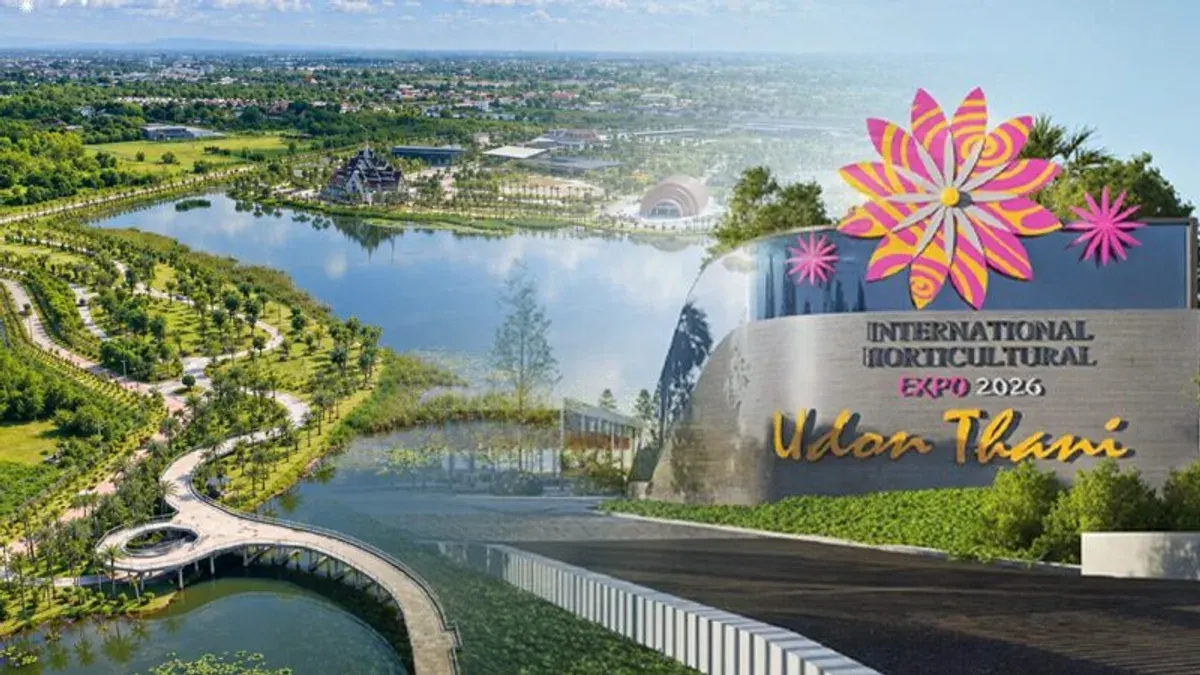
The Udon Thani World Horticultural Expo 2026 aims to drive the Isan economy and elevate Thailand onto the international stage. Scheduled from November 1, 2026 to March 14, 2027 — a total of 134 days — the event will take place on 1,030 rai at the Nong Da wetland in Kud Sa subdistrict, Mueang district, Udon Thani province. Under the theme "Biodiversity Connecting People, Water, and Plants for Sustainable Living," the expo will feature over 50 display gardens and modern agricultural innovations. The government projects 3.6 million visitors, generating over 20 billion baht in economic value, creating more than 81,000 jobs, and yielding over 7.7 billion baht in tax revenue. The hope is to stimulate tourism, boost local businesses, and convert the site into a lasting learning center and tourist attraction. However, concerns have been raised on several key issues that the government should clarify. These include the transparency of a 338 million baht public relations budget and an additional proposed budget of over 200 million baht. Although officials say spending follows International Association of Horticultural Producers guidelines, procurement details should be disclosed to ensure transparency and value for money. Post-event maintenance costs of 30-50 million baht per year could become a burden for the Udon Thani Provincial Administration Organization and risk leaving the site abandoned without a long-term revenue plan and sustained funding. The impact on the Nong Da ecosystem also demands serious environmental impact assessment and genuine ecological restoration, not just cosmetic landscaping that ignores environmental balance. Equally important are the livelihoods of surrounding communities. The state must listen to concerns over land use, water sources, and living costs, giving locals a meaningful stake and fair share of tourism benefits. To allay concerns, the government should disclose relevant budgets and contracts, establish a clear post-event land management system, create a 5-10 year maintenance fund paired with ecosystem restoration and community livelihood plans, and ensure the central government shares responsibility rather than offloading everything onto local authorities. While economic and tourism goals matter, the Udon Thani World Expo must also prove its transparency, cost-effectiveness, and sustainability without harming the environment or local ways of life. Success cannot be measured by visitor numbers or revenue alone, but by what remains after the gates close — whether it truly creates jobs, generates income, and benefits the people of Udon Thani for the long term. The government must make this expo a public legacy, not a local burden left for future generations to shoulder.