UNESCO Unanimously Designates Nakhon Si Thammarat Temple World Heritage Site
Wat Phra Mahathat Woramahaviharn in Nakhon Si Thammarat has been unanimously approved as a UNESCO World Heritage Site, marking Thailand's ninth inscription and the first cultural heritage designation in southern Thailand.
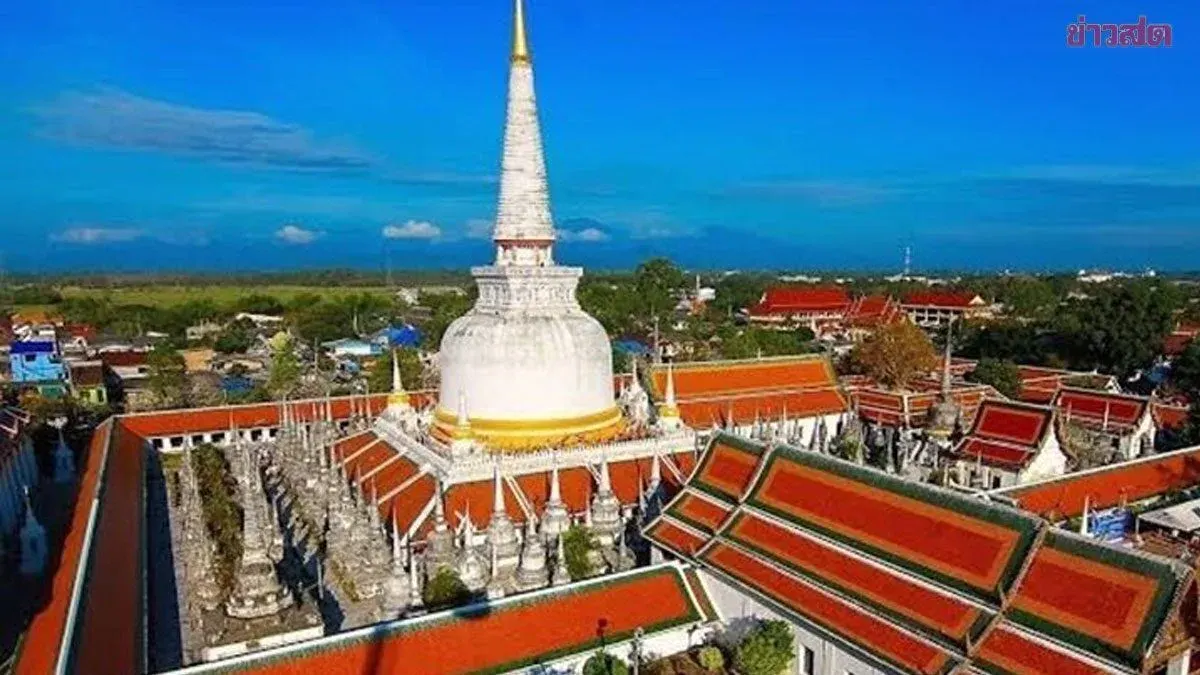
UNESCO has unanimously approved registering Wat Phra Mahathat Woramahaviharn in Nakhon Si Thammarat as a World Heritage Site, with the announcement made at 2:55 p.m. on July 25, 2026. Natural Resources and Environment Minister Suchart Chomklin, heading Thailand's delegation, attended the 48th ordinary session of the UNESCO World Heritage Committee in Busan, South Korea, alongside Culture Minister Sabida Taiyaseth and representatives from the Fine Arts Department, foreign ministry, education ministry, and Nakhon Si Thammarat province.
Thailand proposed the temple for inscription under agenda item 8B, highlighting its outstanding universal value as a masterwork of architecture reflecting the region's history, cultural and artistic exchanges in Southeast Asia, and its status as a living heritage preserved through centuries-old cloth-raising ceremonies at the stupa. Minister Suchart stated that the committee's unanimous decision represents a significant achievement for Thailand, demonstrating the commitment of the Culture Ministry, Natural Resources and Environment Ministry, and all relevant agencies to preserving, protecting, and promoting the nation's cultural heritage on the international stage.
Following this success, the Culture Ministry will collaborate with all sectors to develop a sustainable management strategy for the World Heritage site, balancing monument conservation with cultural tourism promotion to create economic value for local communities. This is Thailand's ninth World Heritage Site and notably, the first cultural heritage site designated in southern Thailand. The ministry and Fine Arts Department are preparing to celebrate the inscription of Wat Phra Mahathat Woramahaviharn as a UNESCO World Heritage Site.