US-China Summit Today Will Shape Gold Market Direction
Trump and Xi Jinping meet September 24 amid trade and geopolitical tensions; gold markets will swing based on whether negotiations ease or escalate US-China disputes over tariffs, technology, and Taiwan.
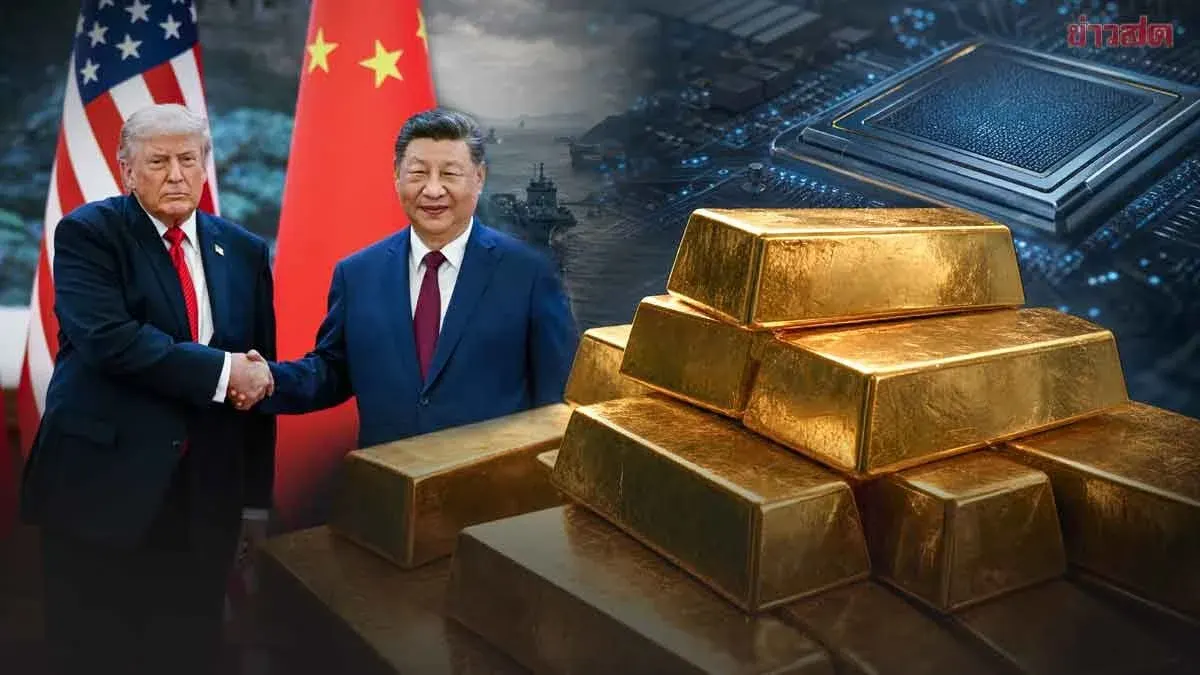
The US-China summit between President Donald Trump and President Xi Jinping on September 24 is one of the most important events global financial markets are monitoring, amid ongoing uncertainties surrounding trade, technology, and geopolitics. Huateng analyst assessment suggests the market may not expect this meeting to produce a "major agreement" that immediately ends the bilateral dispute, but rather focuses on both sides' ability to stabilize relations and reduce the risk of escalation.
For the gold market, the summit outcome matters significantly for investor risk appetite levels and capital flow direction, especially as markets assess US monetary policy direction alongside geopolitical and global economic risks.
Four Key Issues on the Negotiating Table:
• Trade and Tariffs: This remains the core of negotiations. Markets are watching whether the US and China can maintain or extend a trade ceasefire, including Chinese imports of US goods and easing of trade and technology restrictions. Progress would help reduce risks to global economics and trade, but retaliatory measures could increase inflation and economic concerns.
• Technology and AI: Competition in semiconductors, AI, and advanced technology remains critical. While chances of ending this competition are limited, if both sides can establish cooperation frameworks or risk-reduction mechanisms, it could ease tensions and restore market confidence.
• Iran and Middle East Situation: The US wants China to play a greater role in reducing tensions with Iran, given China's trade relationship with Tehran, especially crude oil imports, and its membership in BRICS+.
• Taiwan: One of the most "fragile" issues in US-China relations. If post-meeting statements reflect increased tension, it could damage market confidence, prompting investors to reduce risky assets and increase allocations to safe havens like gold.
If negotiations proceed smoothly, gold may face short-term profit-taking pressure. If the summit produces positive results—trade progress, maintained or extended tariff ceasefire, no technology or geopolitical escalation—it would ease market concerns and encourage investors to take on more risk. Under such conditions, some capital may flow back into equities and risky assets while demand for gold as a hedge diminishes, potentially pressuring gold prices in the short term.
However, investors must also monitor US Treasury yields and the dollar simultaneously, as both significantly influence gold prices. If both rise together, pressure on gold increases; if both weaken, this could limit selling pressure even if safe-haven demand falls.
If negotiations stall, safe-haven demand may return. Conversely, if the summit shows no progress or signals renewed US-China tariff, trade, or technology pressures, combined with heightened tensions over Iran and Taiwan, investors may reduce risky assets and increase gold holdings.