US Confirms 10% Forced Labor Tariff Cut for Thailand
Deputy Prime Minister Supachai Sutthamphonth announced that the US has confirmed reducing the Section 301 forced labor tariff on Thai goods from 12.5% to 10%, matching rates for other Agreement on Reciprocal Trade (ART) partners. The confirmation came during talks with US Deputy Trade Representative Rick Switzer at the APEC summit in Shenzhen, following the ART joint statement signed by Prime Minister Anutin and President Trump in Manila. Thailand also sought special tariff treatment for excess capacity to maintain competitiveness in the US, its top export market worth 2.37 trillion baht in 2025.
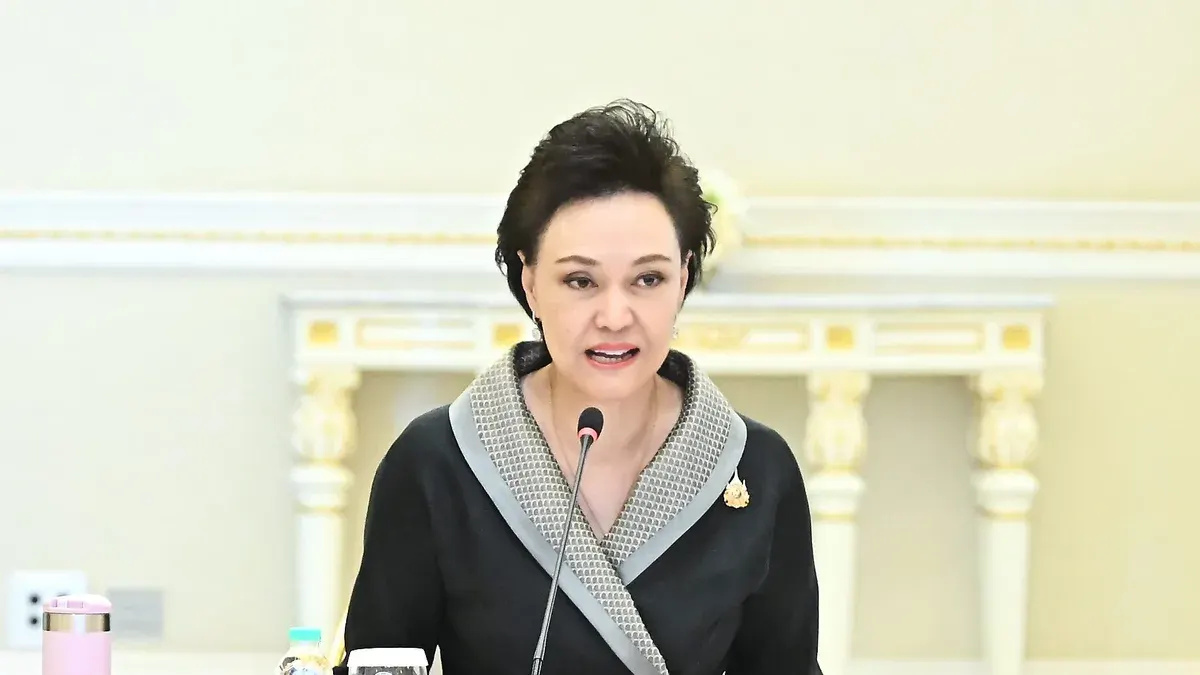
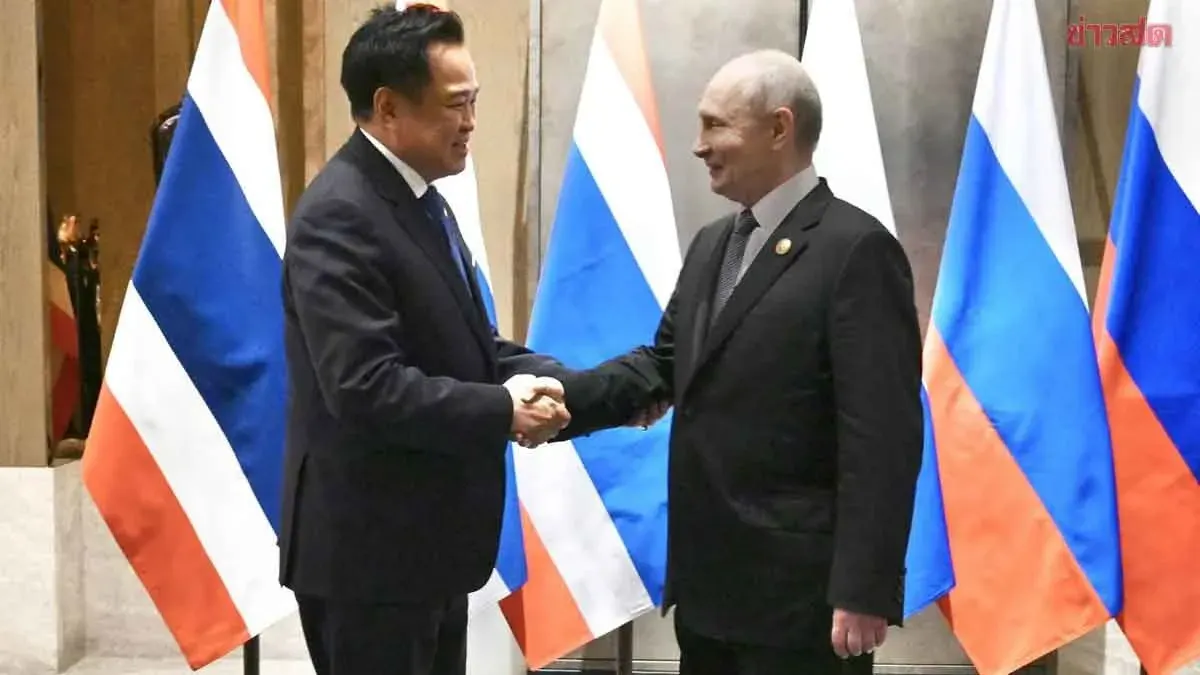
Deputy Prime Minister and Commerce Minister Supachai Sutthamphonth revealed that on November 18, 2026, she met with US Deputy Trade Representative Rick Switzer during the 33rd APEC Economic Leaders' Meeting in Shenzhen, China. Both sides welcomed significant progress following the signing of a Joint Statement on the Agreement on Reciprocal Trade (ART) between Prime Minister Anutin Charnvirakul and President Donald Trump in Manila, Philippines, on November 17. The signing confirms both countries have reached consensus on key negotiation points. The joint statement is important for building trade confidence between the two nations, especially while both sides are undergoing the legal scrub process to finalize the full ART text. Confirmation of mutual understanding at the leadership level helps assure the direction of trade cooperation and allows businesses to prepare and plan production and investment with greater certainty amid global economic volatility.
In the talks with the USTR, Thailand reiterated the mutual understanding to adjust the Section 301 tariff rate on forced labor from 12.5% down to 10%, so that Thailand receives a tariff rate on par with countries that have already signed an ART with the United States. The US side confirmed it will move forward with the tariff reduction process as agreed. Additionally, Thailand requested that the US consider setting a special tariff rate under Section 301 for excess capacity — which the US is preparing to announce — so that Thai goods receive a favorable tariff and are not disadvantaged against competitors in the US market.
Supachai stated, "Maintaining a competitive tariff rate is critically important because if Thai goods face higher tariffs than competitor countries, Thai businesses could lose orders and market share, especially in the United States, which is Thailand's number one export market. In 2025, export value to the US was approximately 2.37 trillion baht and involved employment of around 1.25 million Thai workers."
For next steps, Thailand has asked the legal teams of both sides to accelerate the legal scrub process to finalize the full ART text before submitting it to the Cabinet for consideration, and to conduct a systematic public consultation process so all sectors are informed of the details and have an opportunity to provide feedback before proceeding to signing, parliamentary consideration, and necessary legal amendments for the agreement to take effect.
The United States is Thailand's second-largest trading partner and top export market. In 2025, total trade value reached 93.651 billion US dollars, comprising Thai exports to the US worth 72.506 billion US dollars — covering key products such as computers, rubber products, gems and jewelry, automobiles, and air conditioners — while Thai imports from the US amounted to 21.144 billion US dollars, including crude oil, machinery, aircraft and parts, chemicals, and electrical machinery. This resulted in a trade surplus with the US of 51.361 billion US dollars.