US Proposes 18% Tariff Cap on Thai Goods Under Section 301 Probe
The US has proposed a maximum 18% tariff on Thai goods under its Section 301 structural excess capacity probe, matching the rate Thailand negotiated and aligning with Malaysia, Indonesia, and Cambodia which have signed reciprocal trade agreements. Deputy PM Supachai Sutthamphonthu said this preserves Thai competitiveness in the US, Thailand's largest export market worth 2.37 trillion baht in 2025, while protecting agricultural exports and over 1.25 million jobs. The draft is not yet final; Thailand will submit comments and attend a public hearing in January 2027 to seek the lowest possible rate.
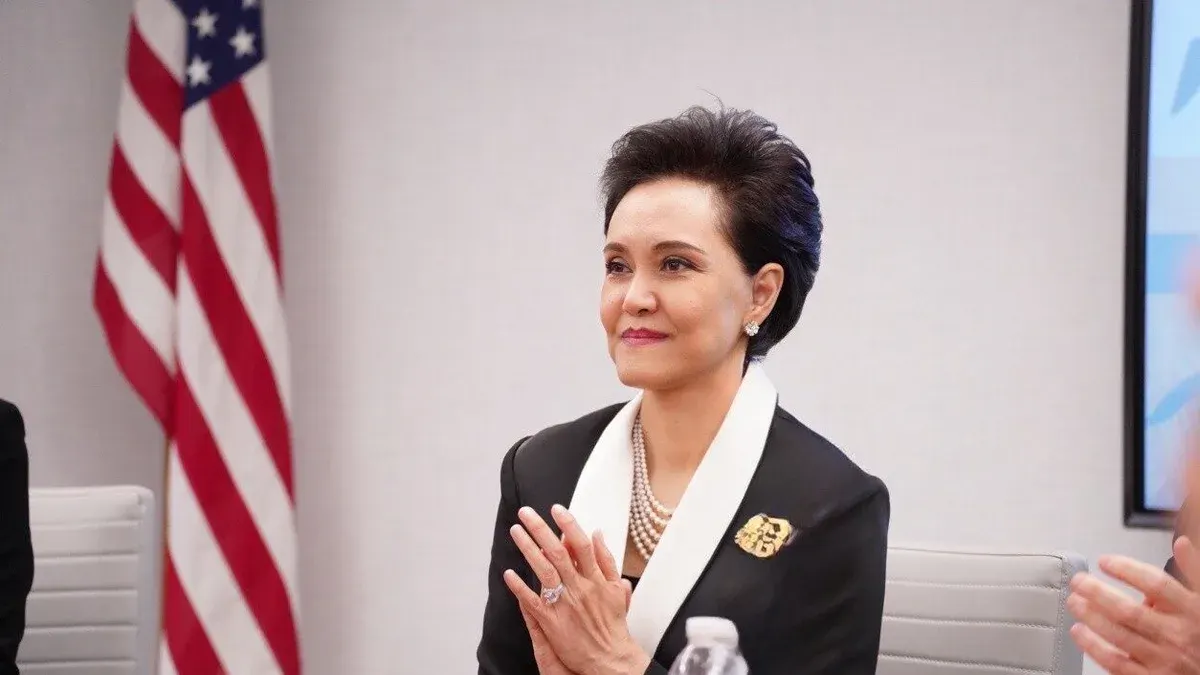
Deputy Prime Minister and Commerce Minister Supachai Sutthamphonthu revealed that on November 25, 2026 (Thai time), the Office of the United States Trade Representative (USTR) announced the draft results of its Section 301 investigation into structural excess capacity covering 14 countries and economies. The proposal sets a tariff on Thai goods of no more than 18%, which includes the existing Section 301 tariffs related to forced labor import bans, with no additional increase. This outcome reflects Thailand's negotiation strategy.
The result shows Thailand's push to conclude ART negotiations and sign a Joint Statement between the Thai Prime Minister and the US President at the ASEAN Summit in the Philippines on November 17, 2026, was a correct policy decision. It places Thailand in the same group as ASEAN neighbors Malaysia, Indonesia, and Cambodia, which also face a maximum 18% rate.
The draft indicates the US could raise tariffs to as high as 25% if negotiations or compliance prove unsatisfactory. Without a concluded agreement, Thailand could face tariffs 7% higher than its neighbors. Countries still negotiating ART, such as Vietnam (proposed 35%) and Singapore (20%), may see reductions if they finalize deals, underscoring that agreement conclusion is a key factor in US tariff determination.
Supachai said the proposed rate will help maintain Thai product competitiveness in the US, Thailand's top export market worth 2.37 trillion baht in 2025 (about 25% of total exports) and projected to reach 3 trillion baht in 2026. It also protects agricultural exports valued at 170 billion baht (excluding rubber and other products worth at least 160 billion baht) and over 1.25 million jobs. Preserving this competitiveness is a top priority for the Commerce Ministry.
The draft findings are not yet in effect, so Thai exports continue to face the current 12.5% tariff until the final determination. USTR will accept written comments until January 5, 2027, and hold a public hearing on January 25, 2027, before issuing the final ruling. Thailand will use this process to present facts aimed at securing the lowest possible applied rate, alongside accelerating the ART signing.
Next steps for ART include legal scrubbing of the agreement text, followed by Cabinet approval for signature. Thereafter, the agreement must proceed through domestic legislative procedures.