Thailand Plans Data-Driven Visitor Economy Strategy
Thailand is developing a unified data system to transform visitor economy management by connecting information from government agencies, the private sector, and research institutions into actionable intelligence. The strategy emphasizes sha
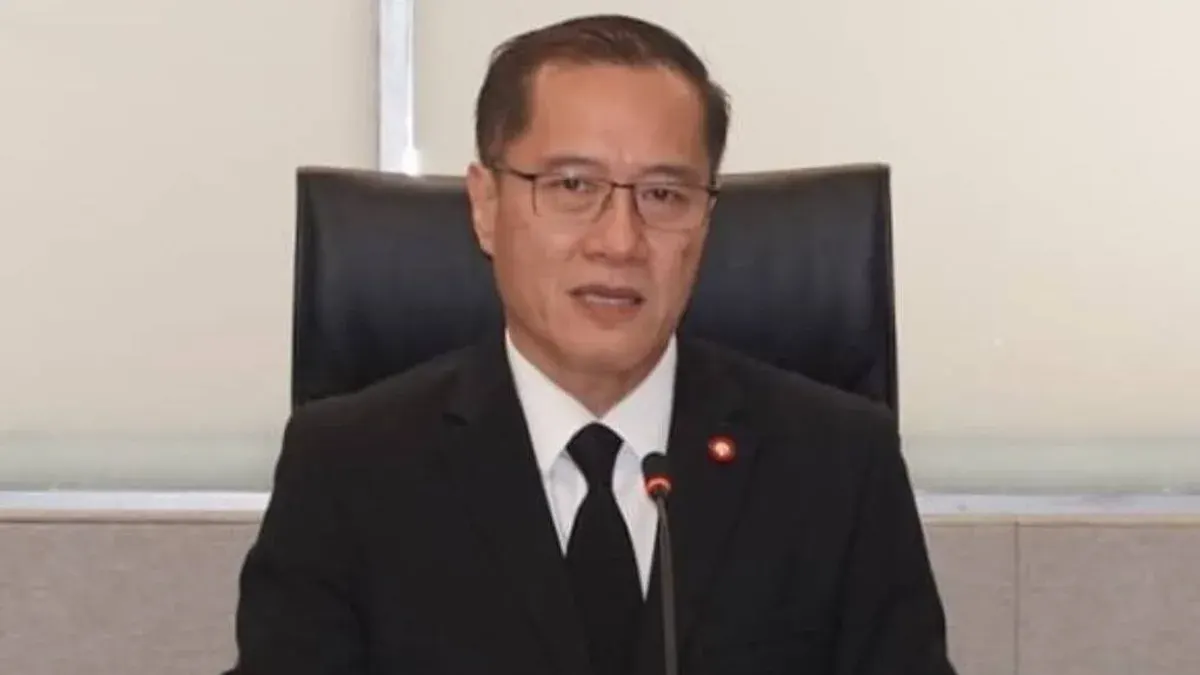
Veeraphan Kosuratana, chair of the Creative Economy and Visitor Economy working group, revealed after the sixth meeting of the working group in 2569 that a critical turning point has emerged: the country is shifting from simply understanding visitor economy concepts toward actually linking data, knowledge, and operations across agencies to produce tangible results. Key findings from multiple sources are coming together to create a clearer picture of a Visitor Economy Intelligence Ecosystem.
Kosuratana noted that Thailand possesses substantial data capital and area-based knowledge, particularly from community development experience and the Special Area Development Organization for Sustainable Tourism, which manages destinations like Koh Chang, Koh Kood, and Ban Chak Ngaew. These serve as crucial foundations for understanding area potential and developing products, experiences, and services for visitors. Research on data mobility has demonstrated the value of mobile phone data in understanding visitor travel patterns, behavior, and needs, transforming raw data into intelligence for policy, marketing, business development, and destination management.
"The real challenge is not building another database, but making existing data connectable, shareable, analyzable, and actionable through a process from data to exchange, intelligence, decision, and action," Kosuratana said.
The meeting also discussed developing a data exchange system and architecture to link information from government agencies including the Tourism Authority of Thailand, the Special Area Development Organization, provincial authorities, and the private sector, educational institutions, and research sources under shared standards. The intelligence framework will cover four key dimensions: visitors, spending, mobility, and experience.
A proposal was made for the government to create a National Data Package, with a central agency consolidating data needs from government units and negotiating commercial data purchases like mobile data at the national level, rather than individual agencies buying the same data separately. "The concept is 'Buy Once, Standardize Once, Use Many'—purchasing once, setting standards once, and sharing benefits across multiple agencies. This not only reduces budget duplication but also ensures the country has unified data standards, usage terms, and shared intelligence," Kosuratana explained.
Additionally, the working group emphasizes connecting research and lessons from the field to practical application through a Knowledge Operations System approach, in coordination with the Office of the National Science Technology and Innovation Policy Council. The group will also leverage the existing TAT Intelligence Unit to integrate with the Visitor Economy data ecosystem without unnecessary duplication.