209 Dugongs Stranded in Decade, Government Steps Up Protection Program
Thailand's government is intensifying efforts to protect endangered dugongs after 209 strandings over the past decade, implementing new shipping lanes with speed limits and redesigned fishing gear across 12 high-risk zones in southern water
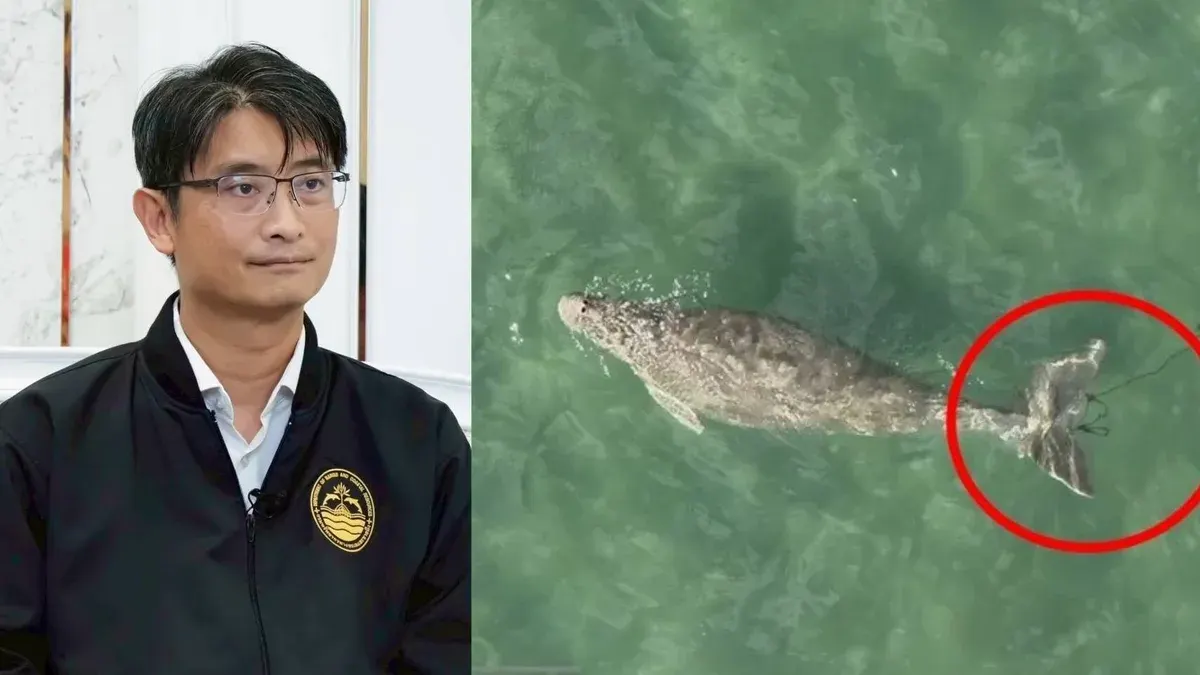
On August 17, Dr Pinsak Surasawat, director of the Department of Marine and Coastal Resources, announced that the Save Our Dugong initiative is being elevated in response to the ministry's conservation priorities. The programme targets 12 high-risk areas where dugongs face danger from human activities, particularly boat accidents and fishing equipment entanglement.
Measure One organises shipping lanes and enforces speed limits in six zones at risk of boat strikes: Rasada Port in Phuket, Bang Rong Port in Phuket, Khao Yao Noi–Khao Yao Yai channel in Phang Nga, Haad Noppharat Thara–Ao Nang in Krabi, Pak Meng–Ko Muk in Trang, and Ko Libong–Haad Yao in Trang. Buoys and markers will define vessel routes with speed restrictions: 5 knots within 1 kilometre of shore, 10 knots within 2 kilometres, 20 knots within 3 kilometres, 5 knots in seagrass beds, and 3 knots in protected seagrass areas.
Measure Two redesigns fishing gear in six zones at risk of entanglement: Ko Chang–Ko Phayam in Ranong, Ko Ra–Ko Phra Thong in Phang Nga, Pa Khlok–Tung Khen in Phuket, Haad Noppharat Thara in Krabi, Ko Sri Boya in Krabi, and Ko Muk–Ko Libong in Trang. Changes include single crab pots (one pot per buoy) kept out of seagrass beds, 5-millimetre sisal rope to reduce entanglement, weak links at connection points to aid escape, and appropriate line lengths. For multi-pot strings, weighted lines keep ropes straight. Crab nets are banned from seagrass beds; monitored nets in permitted zones reduce risk. Large fishing nets such as grouper drift nets are prohibited in seagrass beds and must stay at least 1 kilometre away.
The department aims to reduce dugong deaths from human activity to zero without restricting fishermen's livelihoods, instead creating safe shared use of marine resources. Both measures are expected to be implemented within six months. Over the past decade, 209 dugongs have been found stranded, with causes unknown in 78 cases.