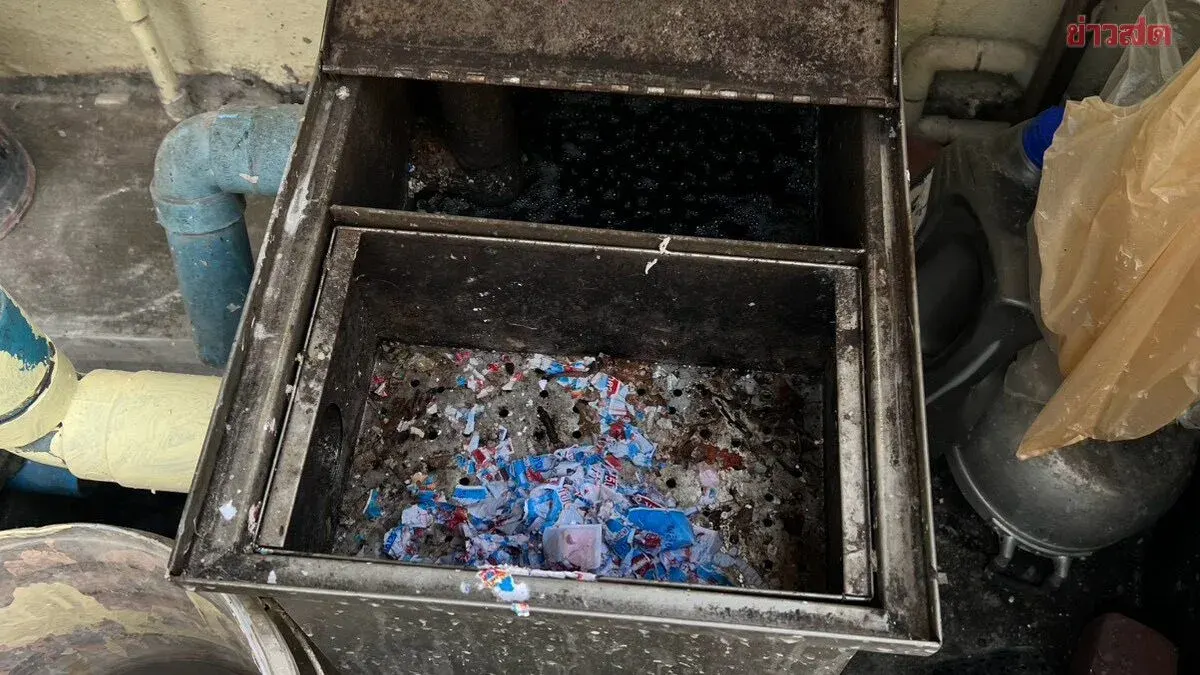
Marine Department Collects Dugong Feces to Monitor Endangered Population
Marine Department veterinarians collect rare dugong feces in the Andaman Sea to non-invasively monitor the health and genetics of Thailand's critically endangered population of about 200 individuals.
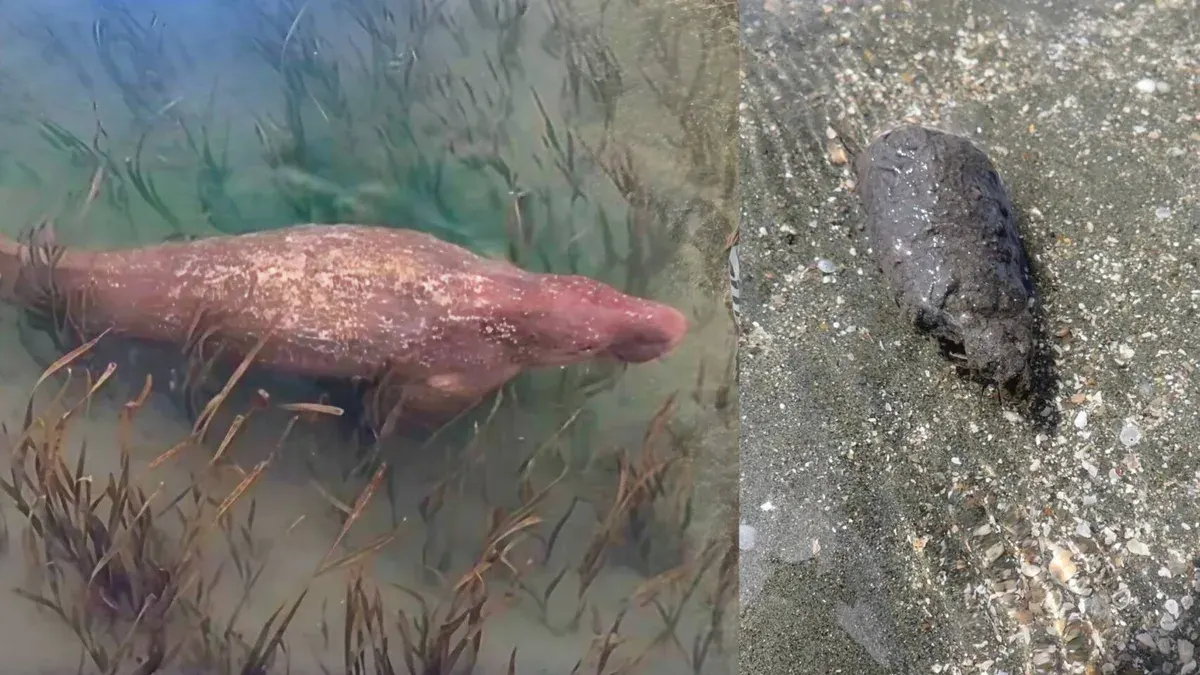
Amid the azure waters of the Andaman Sea, a quiet but hopeful and challenging mission is underway by a team of veterinarians from the Department of Marine and Coastal Resources (DMCR), racing against time to save the "dugong" — Thailand's critically endangered reserved species with only about 200 individuals left in the wild.
"We cannot capture dugongs to check their health, draw blood, or measure hormones like other animals," said veterinarian Watchara Sakornwimon, head of the Rare Marine Animals Group at the Central Gulf of Thailand Marine and Coastal Resources Research Center. She explained the limitation: dugongs are highly sensitive animals, and the stress from capture could be severe enough to cause shock and death. The question then becomes: how can veterinarians know whether wild dugongs are stressed, sick, or healthy? The answer lies hidden in "dugong feces" itself.
These soft green clumps, fist-sized, are scientific treasures rarer than gold. When dugongs defecate in the sea, the feces dissolve and disperse rapidly. Every minute spent surveying seagrass beds or dugong populations, if the team spots a suspicious clump, they never miss the chance to collect a sample.
"Dugong Feces: Gold in the Andaman, Mobile Health Records" — Dr. Uey explains that for the general public, feces may be mere waste, but for the research team, dugong feces are like mobile health records. Inside each soft, toothpaste-like green clump — smelling like cow manure but not intensely foul — lies a wealth of data: stress hormone levels, intestinal parasite loads, and DNA for studying genetic diversity.
In the past, genetic studies of dugongs could only rely on collecting carcasses or stranded individuals, which could not accurately reflect the living population. Decoding genetics from the feces of living dugongs is therefore a key that will reveal whether the dugong population is beginning to suffer from inbreeding due to declining numbers.
The mission to collect "dugong feces" is arduous. Over a full year, the research team has managed to gather only five samples. One of these is the "Miracle Dugong's Feces" — a calf in Tang Khen Bay, Phuket, that often feeds near shore and has become a tourist favorite.
Veterinarian Piyarat Kumraksha, or Dr. Fai, an operating veterinarian at the Lower Andaman Marine and Coastal Resources Research Center, said that day was quite fortunate. The team of Khun Pop, Thirawat Sakulsiwi, a citizen scientist working with DMCR, was flying a drone to survey the dugong population when they happened upon Miracle defecating. They carefully approached by boat and used a swing spoon to collect the sample with utmost care before rushing part of it for microbial analysis in the digestive tract with Prince of Songkla University (PSU).
Dr. Fai emphasized that dugong feces are like gold because they are so hard to find. Just a single sample can yield enormous information: health status, stress levels from hormones, digestive tract microbes, and microbiome data to build a database for developing care for stranded calves, including adjusting food formulas — because in the future, no one knows if seagrass will be sufficient.
"One of the fecal samples was collected from a fresh dugong carcass that stranded and died during the seagrass degradation crisis last year..."