Police Raid Bangkok Fake Sauce Factory, Seize 2,000 Bottles
Bangkok police and FDA officials raided an illegal factory in Saphan Sung producing counterfeit fish sauce and vinegar, seizing over 2,300 items worth 250,000 baht. The operation, running for over a decade, supplied boat noodle shops and restaurants in Pin Klao, Tawes, and nearby markets using recycled bottles and unregulated chemical mixtures. The owner faces charges under the Food Act with penalties up to 10 years imprisonment.
On November 3, 2026, Pol. Maj. Gen. Natthasak Chaowasai, commander of the Central Investigation Bureau, disclosed that on October 29, officers from Division 4 of the Consumer Protection Police Division, led by Pol. Lt. Col. Thawatchai Anuraknanom, together with FDA officials, executed a Criminal Court search warrant at two shophouses in Bangkok's Saphan Sung district. The raid followed an expanded investigation into public complaints about a site illegally manufacturing and distributing counterfeit condiments — fish sauce, soy sauce, and vinegar — across Bangkok.
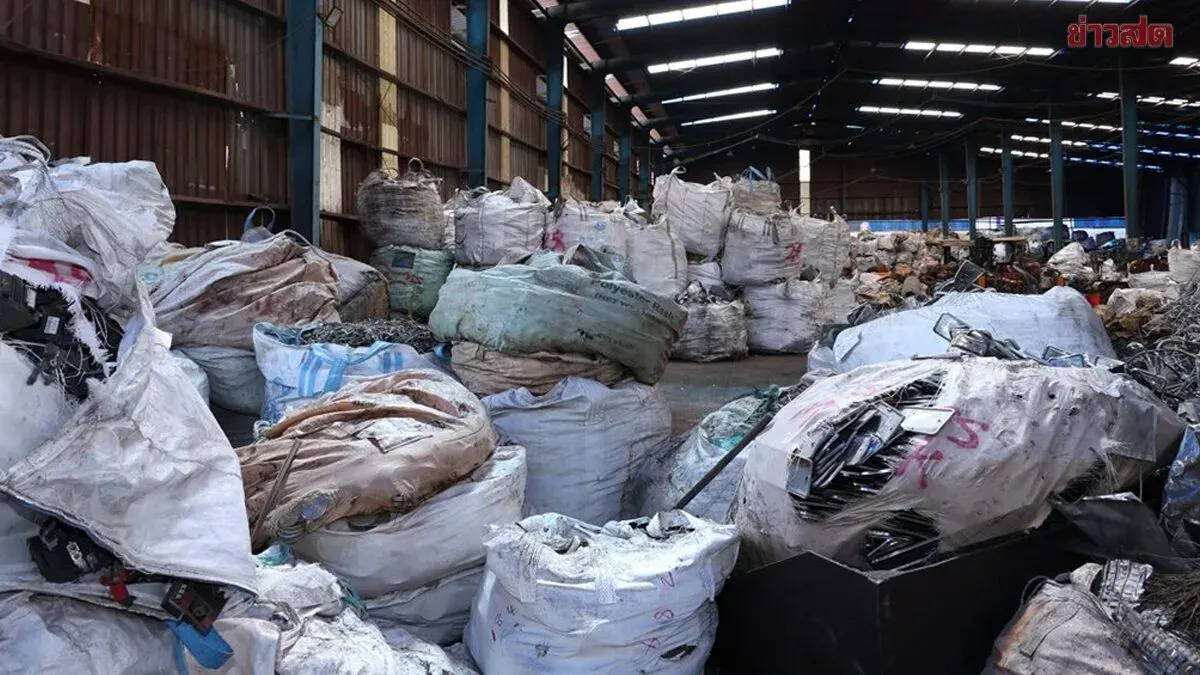
The search uncovered counterfeit fish sauce under the 'Sai Tan Koo' brand in both bottles and gallon jugs (two items, 200 pieces total), counterfeit vinegar under the 'Strawberry' brand in bottles and gallons (two items, 71 pieces), production equipment including capping machines, tanks, and ingredient containers (13 items, 1,858 pieces), and cleaned and uncleaned used bottles and gallons (six items, 263 pieces). Total seized goods: 23 items, 2,392 pieces, valued at over 250,000 baht.
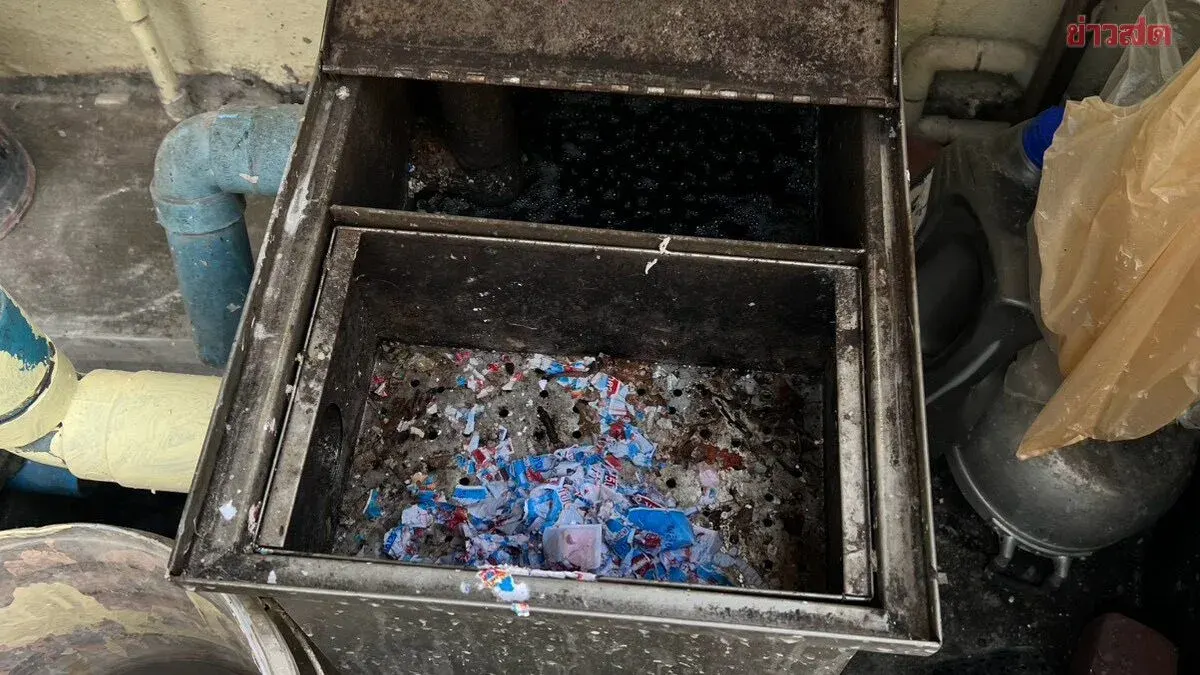
Investigation revealed the facility lacked FDA food production approval and operated under unsanitary conditions. The owner, identified only as Virat, collected used bottles and gallons, cleaned them, then mixed starter cultures with various chemicals to dilute in tanks without any fixed formula or ratio. Products were siphoned into containers via rubber tubes, labeled with stickers, capped with a hammer, and readied for delivery.
"Officers found the products were sold to retail shops and restaurants, particularly numerous boat noodle branches, as well as eateries in the Pin Klao and Tawes areas and nearby famous market districts," Pol. Maj. Gen. Natthasak said.
Virat had no formal food production knowledge but reverse-engineered formulas from genuine products to lower costs, selling bottles at 15-30 baht each with monthly volume exceeding 1,000 bottles, sustaining the operation for over 10 years. The offense violates the Food Act B.E. 2522 — producing counterfeit food for sale, defined as food with labels that deceive or attempt to deceive buyers regarding quality, quantity, benefits, or other special characteristics. Penalties range from 6 months to 10 years imprisonment and fines of 5,000-100,000 baht.
Authorities urge the public to exercise caution when purchasing food products by checking labels and packaging, as substandard, illegally produced goods continue to circulate. Consumption may expose individuals to hazardous chemicals or unsanitary production processes, posing serious health risks and potential danger to life.