Deputy PM: Proposed 18% US Tariff Not Disadvantageous for Thailand
Deputy Prime Minister Pichai Chunhavajira said the proposed U.S. tariff of up to 18% on Thai goods under a Section 301 probe is not disadvantageous compared to peers like Malaysia and Indonesia, and remains below Vietnam's rate. Talks continue until early 2027, with the current 12.5% tariff still in force. The government is pursuing an investment-led growth strategy and positioning Thailand as a "Trusted Connector" to diversify trade, attract investment, and boost long-term competitiveness.
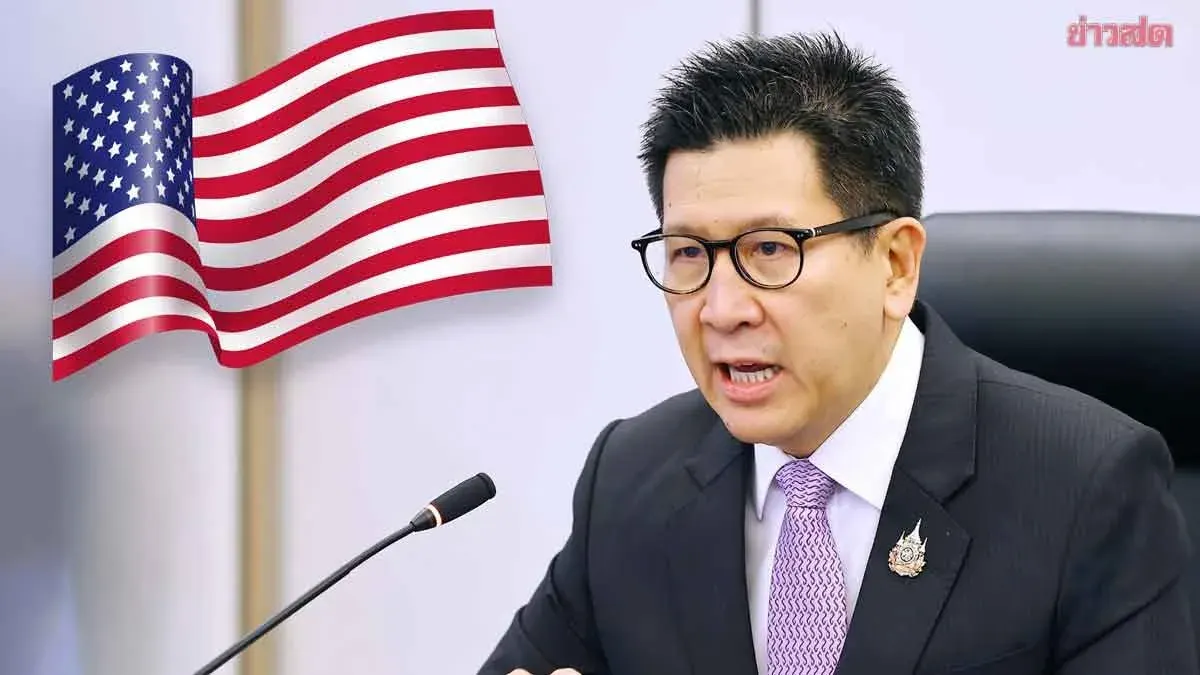
Deputy Prime Minister and Finance Minister Pichai Chunhavajira addressed the U.S. Trade Representative's announcement of its Section 301 investigation into structural excess capacity, which proposes tariffs on Thai goods of up to 18%. He said the proposed rate does not disadvantage Thailand, as it sits on par with similar developing economies such as Malaysia and Indonesia, while several countries — notably Vietnam — face higher tariffs. This reflects competitiveness concerns. However, negotiations are not yet concluded; Thailand has until early 2027 to present its case. The government and Commerce Ministry are actively engaging with U.S. counterparts, so the existing 12.5% rate continues to apply for now.
Pichai acknowledged the situation stems from global trade tensions and a fragmenting world order where tariffs are used as leverage. As steward of the economy, the government must secure the best possible tariff outcome to keep Thailand's private sector competitive. Central to this is Thailand's positioning as a "Trusted Connector" — trading with all nations rather than depending on one, diversifying risk, attracting investment, creating jobs, integrating Thai businesses into global supply chains, and upskilling the workforce. All of this builds national competitiveness alongside trade talks.
The minister reiterated that the government's economic policy is shifting to investment-led growth, believing investment drives not only short-term stimulus but long-term competitiveness and sustainable incomes for Thais. He likened consumption stimulus to eating — it disappears — whereas investing builds lasting income and resilience. The administration will pursue this alongside the STI-DEE policy, emphasizing data transparency to help SMEs access credit. Past initiatives like the "Thai Chim Thai Chai" and "Nok Krasip" programs have already enabled state and private financial institutions to lend more to SMEs lacking collateral, and the new policy aims to expand such access further.